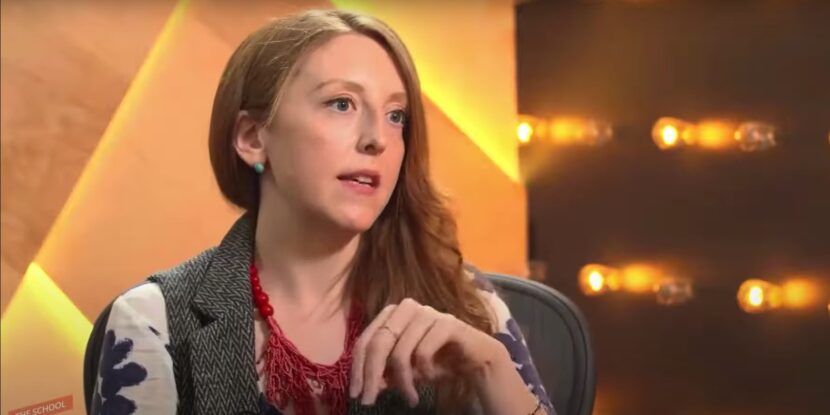
President Trump has nominated Dr. Casey Means, a wellness influencer and key ally of Health Secretary Robert F. Kennedy Jr., as the new U.S. Surgeon General, replacing Dr. Janette Nesheiwat.
Who is Dr. Means? She’s a Stanford-educated physician who co-founded the healthtech company Levels and co-authored the book Good Energy with her brother, Calley Means, who is a White House adviser.
Newsletter
Need to Know.
Your free, daily feed from The National Pulse.
Thank You!
You are now subscribed to our newsletter.
Dr. Means and her brother have been vocal advocates for Secretary of Health and Human Services Robert F. Kennedy Jr.’s ‘Make America Healthy Again’ (MAHA) movement.
What Trump is saying: The President announced the move on Truth Social, writing:
“Casey has impeccable ‘MAHA’ credentials, and will work closely with our wonderful Secretary of Health and Human Services, Robert F. Kennedy, Jr., to ensure a successful implementation of our Agenda in order to reverse the Chronic Disease Epidemic, and ensure Great Health, in the future, for ALL Americans.”
What happened to Dr. Nesheiwat? Her nomination has faced intense scrutiny from Trump supporters due to her past support for masking and vaccinating children during the COVID pandemic
Zoom out: Notably, Nesheiwat is the sister-in-law of recently-ousted National Security Advisor Mike Waltz.
Big picture: Dr. Casey Means’s nomination signals that President Trump is bullish on the MAHA movement.
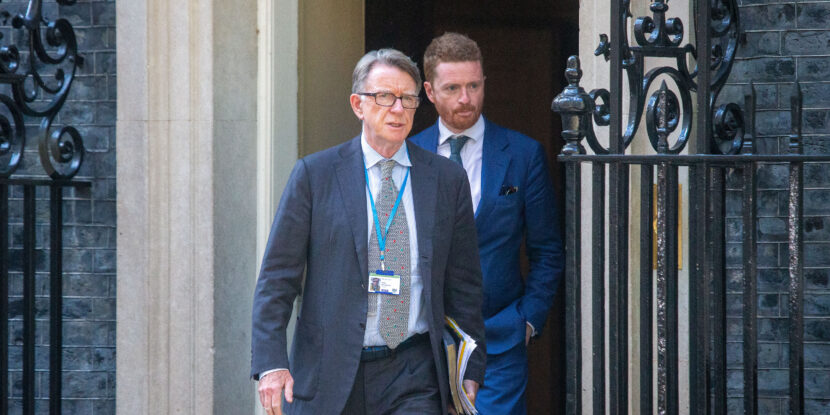
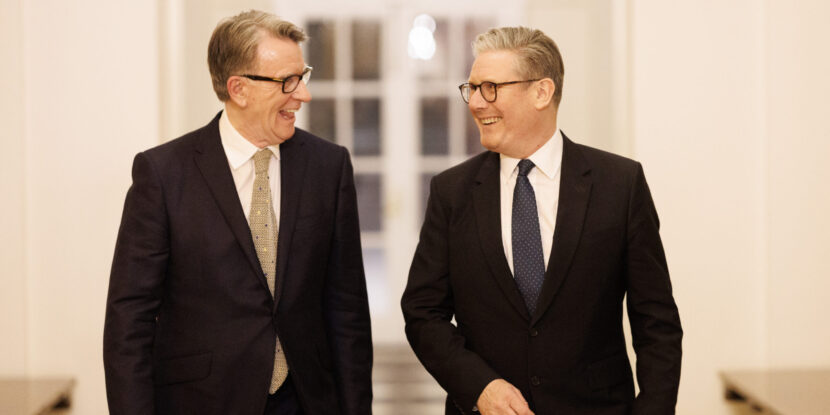
❓WHAT HAPPENED: Sir Keir Starmer’s chief of staff, Morgan McSweeney, resigned amidst backlash over the appointment of Lord Peter Mandelson as Britain’s ambassador to the U.S., following revelations of Mandelson’s ties to Jeffrey Epstein.
👤WHO WAS INVOLVED: Morgan McSweeney, Sir Keir Starmer, Lord Peter Mandelson, Labour MPs, and opposition leaders, including Kemi Badenoch and Nigel Farage.
Newsletter
Need to Know.
Your free, daily feed from The National Pulse.
Thank You!
You are now subscribed to our newsletter.
📍WHEN & WHERE: McSweeney’s resignation occurred on February 8, 2026, as pressure mounted on Starmer’s government in London.
💬KEY QUOTE: “The decision to appoint Peter Mandelson was wrong. He has damaged our party, our country, and trust in politics itself.” – Morgan McSweeney
🎯IMPACT: The resignation deepens the crisis for Sir Keir Starmer’s government, with mounting calls for his resignation and a no-confidence vote from opposition leaders and Labour MPs.
IN FULL
Morgan McSweeney, Sir Keir Starmer’s chief of staff, has resigned following backlash over the appointment of Lord Peter Mandelson as Britain’s ambassador to the U.S. McSweeney admitted that advising Starmer to appoint Mandelson, who has been linked to convicted sex offender Jeffrey Epstein, was a mistake. “The decision to appoint Peter Mandelson was wrong. He has damaged our party, our country, and trust in politics itself,” McSweeney stated in his resignation letter.
The resignation comes amidst a growing scandal surrounding Mandelson’s connections to Epstein, which have sparked outrage among Labour MPs and opposition figures. The links were reported by The National Pulse over a year ago, with Editor-in-Chief Raheem Kassam telling the late Charlie Kirk about the matter on air, urging President Trump to refuse Mandelson’s credentials.
Flashback to just one year ago, almost to the day, when my friend @charliekirk11 asked me on his show to explain my warning for both the British and American governments to refuse “dark lord” Peter Mandelson as UK ambassador.
Tory leader Kemi Badenoch accused Starmer of deflecting responsibility, stating, “Keir Starmer has to take responsibility for his own terrible decisions. But he never does.” Reform UK leader Nigel Farage suggested Starmer’s leadership is on borrowed time, predicting, “My money says Starmer won’t be far behind after Labour’s disaster in the elections this coming May.”
McSweeney, a close ally of Starmer for nearly six years and an architect of Labour’s electoral success, has been a key figure in the Prime Minister’s operation. It is unclear if Starmer would even be able to cling on to power without McSweeney by his side.
The resignation is seen as a desperate attempt to maintain power amidst plummeting approval ratings and internal party dissent.
Polling shows that a full 55 percent of voters believe Starmer should resign, with only 23 percent supporting his continued tenure as Prime Minister. The police are now actively investigating Mandelson and his links to Epstein, including payments made to his gay lover Reinaldo, who briefly lived with him at the British Ambassador’s Residence in Washington, D.C.
As Starmer faces mounting pressure to resign, allies within the Labour Party are reportedly positioning themselves for potential leadership bids. Angela Rayner, Wes Streeting, and Ed Miliband are among those speculated to be maneuvering for leadership roles.
Join Pulse+ to comment below and receive exclusive email analyses.
show less
show more
By Popular Demand.
The National Pulse Now has an on-site comments section for members. Sign up today and be part of the conversation in our community of almost 15,000.
WE ARE 100% INDEPENDENT AND READER-FUNDED. FOR A GUARANTEED AD-FREE EXPERIENCE AND TO SUPPORT REAL NEWS, PLEASE SIGN UP HERE, TODAY.
📍WHEN & WHERE: The decision was made following a report by The National Pulse on Friday, February 6th.
💬KEY QUOTE: “We’ve had constructive conversations with stakeholders across the industry.” – Hims
🎯IMPACT: The company aims to continue providing safe, affordable, and personalized care to Americans.
IN FULL
Just one day after The National Pulse’s report on Hims, its woke CEO, and its unproven GLP-1 knockoff drugs, the company has announced it will stop offering access to its compounded semaglutide pill.
The decision comes as Hims states that since launching the pill on its platform, it has engaged in “constructive conversations with stakeholders across the industry.”
As a result, Hims has decided to cease offering this particular treatment.
The announcement follows scrutiny over the company’s preparations and the safety of its products.
This weekend, the firm is set to air a populist-left ad at the Super Bowl, claiming it can bring ordinary consumers the healthcare standards of the hyper-elite for a fraction of the price.
The company’s claims have been widely mocked. They also concerned Trump administration insiders so much that an immediate investigation was ordered this week by Health and Human Services Counsel Mike Stuart, who wrote on X: “Based on a review of the applicable facts, earlier today @HHSOGCreferred Hims & Hers Health, Inc. (“Hims”) to the Department of Justice for investigation for potential violations by Hims of the Federal Food, Drug, and Cosmetic Act and applicable Title 18 provisions.”
HHS Title 18 covers criminal fraud, false statements, and conspiracy laws used to police abuse of federal health programs.
Based on a review of the applicable facts, earlier today @HHSOGC referred Hims & Hers Health, Inc. (“Hims”) to the Department of Justice for investigation for potential violations by Hims of the Federal Food, Drug, and Cosmetic Act and applicable Title 18 provisions.
— HHS General Counsel Mike Stuart (@HHSGCMikeStuart) February 6, 2026
Join Pulse+ to comment below and receive exclusive email analyses.
Article image via Hims press release.
show less
show more
By Popular Demand.
The National Pulse Now has an on-site comments section for members. Sign up today and be part of the conversation in our community of almost 15,000.
WE ARE 100% INDEPENDENT AND READER-FUNDED. FOR A GUARANTEED AD-FREE EXPERIENCE AND TO SUPPORT REAL NEWS, PLEASE SIGN UP HERE, TODAY.
❓WHAT HAPPENED: President Donald J. Trump called for more competition against mainstream media networks.
Newsletter
Need to Know.
Your free, daily feed from The National Pulse.
Thank You!
You are now subscribed to our newsletter.
👤WHO WAS INVOLVED: President Donald J. Trump, Nexstar, and Tegna.
📍WHEN & WHERE: Saturday morning on Truth Social.
💬KEY QUOTE: “GET THAT DEAL DONE!” – President Donald J. Trump
🎯IMPACT: The potential for increased media competition and a challenge to mainstream networks.
IN FULL
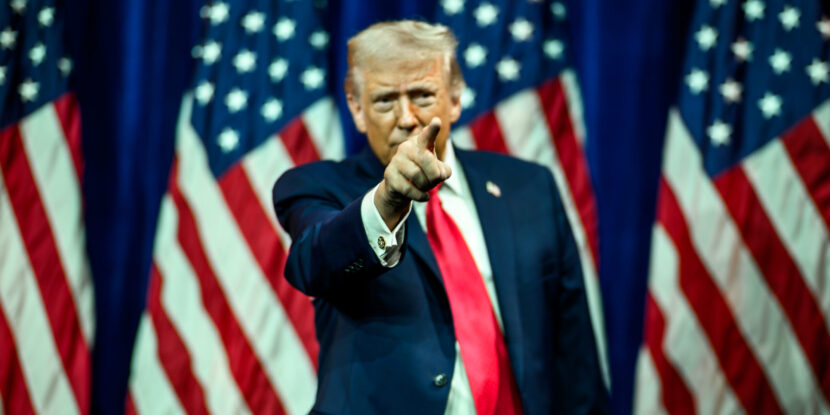
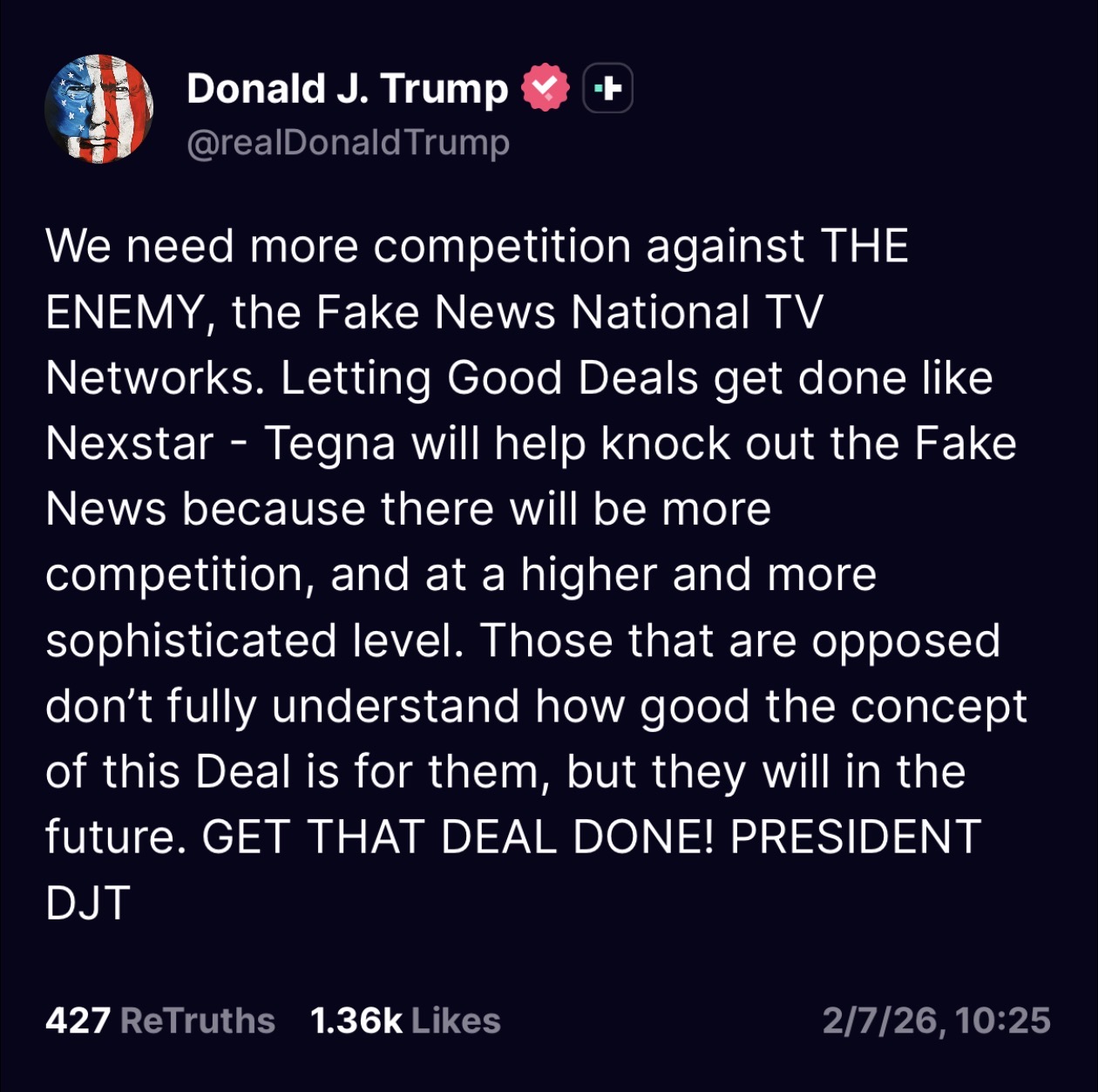
In a recent post on Truth Social, President Donald J. Trump emphasized the need for more competition against what he termed “THE ENEMY,” referring to the Fake News National TV Networks.
He suggested that allowing deals like the one between Nexstar and Tegna to proceed would help diminish the influence of these networks by fostering competition at a higher and more sophisticated level.
President Trump expressed confidence that those opposing the deal do not yet understand its benefits, but will come to realize its value in the future.
He concluded his post with a strong call to action, urging, “GET THAT DEAL DONE!” to ensure the potential benefits are realized.
Screenshot
Join Pulse+ to comment below, and receive exclusive e-mail analyses.
show less
show more
By Popular Demand.
The National Pulse Now has an on-site comments section for members. Sign up today and be part of the conversation in our community of almost 15,000.
WE ARE 100% INDEPENDENT AND READER-FUNDED. FOR A GUARANTEED AD-FREE EXPERIENCE AND TO SUPPORT REAL NEWS, PLEASE SIGN UP HERE, TODAY.
❓WHAT HAPPENED: A woman who was set on fire on a Chicago subway train has been released from the hospital three months after the attack.
Newsletter
Need to Know.
Your free, daily feed from The National Pulse.
Thank You!
You are now subscribed to our newsletter.
👤WHO WAS INVOLVED: Victim Bethany MaGee, 26, and suspect Lawrence Reed, 50.
📍WHEN & WHERE: The attack occurred in November 2025 on Chicago’s Blue Line subway; MaGee was hospitalized at Stroger Hospital.
💬KEY QUOTE: “My family and I are grateful to be able to celebrate this milestone, and we want to sincerely thank everyone who has offered support, kindness, and encouragement during this time.” – Bethany MaGee
🎯IMPACT: The attack has raised concerns about judicial leniency after the suspect, who has a lengthy criminal record, was released despite warnings from prosecutors.
IN FULL
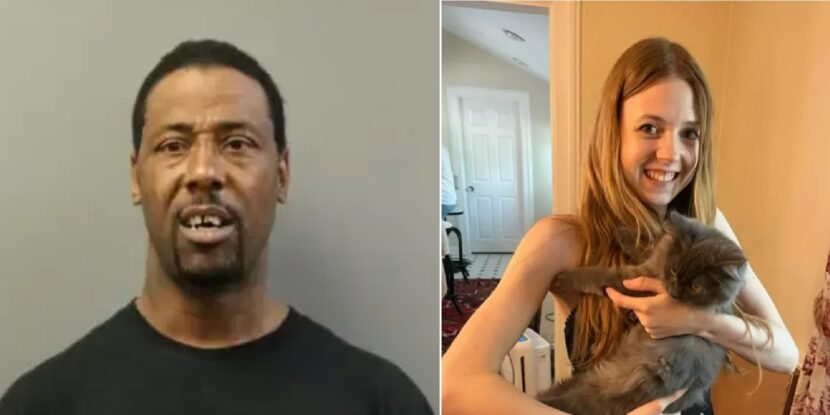
Bethany MaGee, 26, has been released from Stroger Hospital in Chicago, Illinois, nearly three months after she was set on fire during a brutal, random attack on a CTA Blue Line subway train. MaGee suffered burns to roughly 60 percent of her body in the November 2025 attack, which prosecutors allege was carried out by Lawrence Reed, 50.
In a statement marking her discharge, MaGee expressed appreciation for those who supported her during her recovery. “My family and I are grateful to be able to celebrate this milestone, and we want to sincerely thank everyone who has offered support, kindness, and encouragement during this time,” she said. She also praised the medical staff, thanking the Stroger Hospital burn team for their “exceptional care, compassion, and expertise.”
Prosecutors say Reed poured gasoline on MaGee inside the subway car and ignited it while yelling, “Burn alive, b***h!” Surveillance video reportedly captured the attack. MaGee was able to escape the train at the Clark and Lake station, where bystanders rushed to help extinguish the flames and provide aid until emergency responders arrived.
Reed had a lengthy criminal history, with authorities saying he had been arrested more than 70 times prior to the attack. Prosecutors had previously warned that he posed a serious threat and that his next offense would “likely be violent.” Despite those warnings, he was released from custody by liberal Cook County Judge Teresa Molina-Gonzalez following an earlier arrest in August 2025, who said dismissively, “I understand your position, but I can’t keep everybody in jail because the State’s Attorney wants me to.”
The attack has intensified scrutiny of judicial decisions in Chicago, particularly regarding repeat offenders. Federal officials have warned city leaders that Chicago could risk losing federal transit funding if stronger safety measures are not implemented on public transportation following a series of violent incidents.
The case has also drawn comparisons to other high-profile transit crimes, including the fatal stabbing of Ukrainian refugee Iryna Zarutska on a light rail train in Charlotte, North Carolina, earlier in 2025, allegedly by a black male who shouted “I got that white girl” following the attack.
Join Pulse+ to comment below, and receive exclusive e-mail analyses.
show less
show more
By Popular Demand.
The National Pulse Now has an on-site comments section for members. Sign up today and be part of the conversation in our community of almost 15,000.
WE ARE 100% INDEPENDENT AND READER-FUNDED. FOR A GUARANTEED AD-FREE EXPERIENCE AND TO SUPPORT REAL NEWS, PLEASE SIGN UP HERE, TODAY.
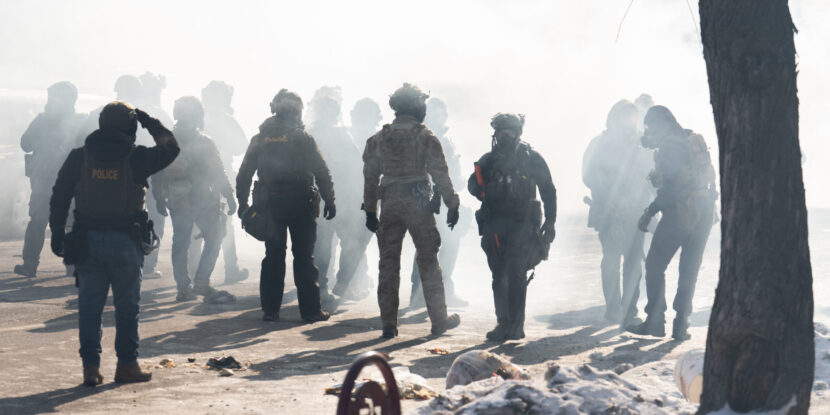
❓WHAT HAPPENED: The U.S. Department of Justice (DOJ) has quietly downgraded the charges against almost half of the 16 anti-ICE agitators arrested for interfering with federal immigration enforcement actions in Minnesota from felonies to low-level misdemeanors.
Newsletter
Need to Know.
Your free, daily feed from The National Pulse.
Thank You!
You are now subscribed to our newsletter.
👤WHO WAS INVOLVED: U.S. Attorney General Pam Bondi, federal agents, and 16 defendants, including Gillian Etherington and Emily Baierl.
📍WHEN & WHERE: The 16 anti-ICE protestors were arrested last week, with their prosecutions now entering preliminary stages.
💬KEY QUOTE: “NOTHING will stop President Trump and this Department of Justice from enforcing the law.” – Attorney General Pam Bondi
🎯IMPACT: Many cases were downgraded to misdemeanors, despite Bondi’s public assertions that the DOJ would pursue maximum penalties under 18 U.S.C. § 111.
IN FULL
Federal prosecutors in Minnesota have quietly downgraded felony charges against at least half of the 16 anti-ICE agitators arrested last week for allegedly assaulting or interfering with federal agents during immigration enforcement operations. While Attorney General Pam Bondi pledged to charge violent protestors under 18 U.S.C. § 111, which establishes a felony crime for anyone who “forcibly assaults, resists, opposes, impedes, intimidates or interferes” with government officials carrying out their duties, prosecutors have reduced many of the cases to lower-level misdemeanors.
Notably, Bondi herself traveled to Minnesota last week for the filing of the felony charges against the 16 anti-ICE protestors, posting at the time on X (formerly Twitter), “I am on the ground in Minneapolis today. Federal agents have arrested 16 Minnesota rioters for allegedly assaulting federal law enforcement — people who have been resisting and impeding our federal law enforcement agents.”
“I’ve said it before and I’ll say it again: NOTHING will stop President Trump and this Department of Justice from enforcing the law,” she added.
While the DOJ has struggled in some more liberal jurisdictions to secure grand jury indictments carrying significant penalties against violent leftist agitators, the direct decision by federal prosecutors to downgrade charges appears to be a more recent development.
One of the Minnesota cases, against Gillian Etherington, was reduced from a felony to a misdemeanor this past Tuesday without explanation. Last week, the DOJ alleged that Etherington “rammed her car into a United States Border Patrol vehicle and drove away,” with Border Patrol engaging in a pursuit before she proceeded to “drive into oncoming traffic” and strike “an unmarked law enforcement vehicle near a high school,” and even then continued to resist arrest.
In another instance, the DOJ dropped felony charges against Emily Baierl to misdemeanors despite Baierl having bitten the finger of a federal law enforcement agent during a demonstration after the death of Alex Pretti. While Baierl’s case is separate from the 16 filed last week, the downgrading of charges despite the clear instance of physical assault is puzzling.
However, one reason for the DOJ’s decision may be a contention raised by attorneys for a number of the defendants that Bondi’s aggressive public media campaign surrounding the arrests—including the release of photos and videos of defendants before trial—could violate internal department policies and risk prejudicing cases.
❓WHAT HAPPENED: The Trump administration is restoring—in part—the Schedule F designation for federal workers, allowing the President to remove employees in permanent policy positions governed under the competitive service outside standard procedures and appeals.
👤WHO WAS INVOLVED: President Donald J. Trump, the Office of Personnel Management (OPM), OPM Director Scott Kupor, and federal employees potentially affected by the rule.
Newsletter
Need to Know.
Your free, daily feed from The National Pulse.
Thank You!
You are now subscribed to our newsletter.
📍WHEN & WHERE: The rule goes into effect on March 9, following its finalization this month.
💬KEY QUOTE: “Schedule Policy/Career restores a basic principle of democratic governance: those entrusted with shaping and executing policy must be accountable for results.” — OPM Director Scott Kupor
🎯IMPACT: The former Biden government implemented statutory roadblocks to Schedule F’s return, forcing the Trump administration to create workarounds, leading to a new designation with a few key differences from the original rule.
IN FULL
The Trump White House’s Office of Personnel Management (OPM) is finalizing a rule that will partially restore the Schedule F designation for federal workers in policy-influencing roles, allowing the President to remove or reassign them without the option to appeal under the labor statutes governing the career civil service. Titled “Improving Performance, Accountability and Responsiveness in the Civil Service,” the new rule will take effect on March 9.
Briefly in effect in late 2020, before its repeal by former President Joe Biden in January of 2021, Schedule F will now be called a Schedule Policy/Career designation. According to OMP, the federal employment designation could affect an estimated 50,000 positions in the federal government.
“Schedule Policy/Career restores a basic principle of democratic governance: those entrusted with shaping and executing policy must be accountable for results,” OPM Director Scott Kupor said late Thursday. He added, “This rule preserves merit-based hiring, veterans’ preference, and whistleblower protections while ensuring senior career officials responsible for advancing President Trump’s agenda can be held to the same performance expectations that exist throughout much of the American workforce.”
The National Pulse reported in April of 2024 that officials in the former Biden government implemented statutory roadblocks to Schedule F’s return in an attempt to prevent President Trump from effectively staffing the executive branch with employees who support his agenda. These changes have forced the Trump administration to create workarounds, leading to a new designation with a few key differences from the original Schedule F rule.
Notably, according to OPM, “roles will remain career positions and continue to be filled through merit-based hiring procedures, including application of veterans’ preference, but will no longer be subject to the removal procedures that have made accountability for poor performance and misconduct exceedingly rare.” This is a key difference from the original Schedule F designation, which allowed the President to reclassify positions from the competitive service (career government workers) to the excepted service, which includes political appointees and is more akin to at-will employment.
The changes appear to be the direct result of the Biden rule, which prevents career federal employees from being redesignated as political appointees or other at-will workers.
Join Pulse+ to comment below, and receive exclusive e-mail analyses.
show less
show more
By Popular Demand.
The National Pulse Now has an on-site comments section for members. Sign up today and be part of the conversation in our community of almost 15,000.
WE ARE 100% INDEPENDENT AND READER-FUNDED. FOR A GUARANTEED AD-FREE EXPERIENCE AND TO SUPPORT REAL NEWS, PLEASE SIGN UP HERE, TODAY.
❓WHAT HAPPENED: The Federal Bureau of Investigation (FBI) has arrested Zubayr Al-Bakoush, a key suspect in the 2012 Benghazi terrorist attack, on charges including murder, terrorism, and arson.
Newsletter
Need to Know.
Your free, daily feed from The National Pulse.
Thank You!
You are now subscribed to our newsletter.
👤WHO WAS INVOLVED: Zubayr Al-Bakoush, FBI Director Kash Patel, Attorney General Pam Bondi, and U.S. Attorney Jeannine Pirro.
📍WHEN & WHERE: Al-Bakoush landed at Andrews Air Force Base early Friday morning; the charges date back to the 2012 Benghazi attack.
💬KEY QUOTE: “Hillary Clinton famously once said about Benghazi, ‘What difference, at this point, does it make?’ Well, it makes a difference to Donald Trump. It makes a difference to those families. And 14 years later, it makes a difference to law enforcement, who made the difference in this case.” – Pam Bondi.
🎯IMPACT: The arrest brings a key suspect to face American justice and highlights ongoing efforts to hold perpetrators accountable.
IN FULL
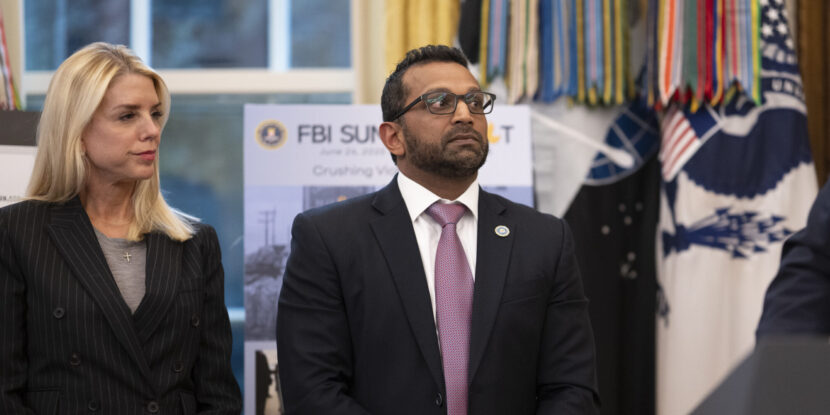
Attorney General Pam Bondi announced Friday that the Federal Bureau of Investigation (FBI) has arrested Zubayr Al-Bakoush, a key suspect in the 2012 terrorist attack on the U.S. diplomatic mission in Benghazi, Libya. Al-Bakoush arrived at Andrews Air Force Base at approximately 3 AM on February 6 and is now in U.S. custody, facing charges including murder, terrorism, arson, and conspiracy.
Bondi said the arrest followed years of coordinated efforts by U.S. officials. “From day one, Kash and Dan would sit in meetings and say, ‘We’re going to get him,’” Bondi said. “And they did.” She added that the suspect “will face American justice on American soil.”
U.S. Attorney Jeannine Pirro, who will prosecute the case, said Al-Bakoush was first charged in 2015 under a sealed complaint. “[The eight count indictment] charges Bakoush with the murder of Ambassador Chris Stevens, the murder of State Department employee Sean Smith, the attempted murder of State Department Special Agent Scott Wickland and conspiracy to provide materials for terrorists and support that resulted in the death of four Americans, as well as arson at the special mission,” Pirro said.
The Benghazi attack occurred on September 11, 2012, when Islamist militants overran the U.S. Special Mission and later attacked a nearby CIA annex. Four Americans were killed, including Ambassador Chris Stevens. The incident led to multiple congressional investigations and became a central political controversy, particularly concerning U.S. diplomatic security and the Obama administration’s response.
Bondi referenced former Secretary of State Hillary Clinton’s remarks during congressional testimony on the attack. “Hillary Clinton famously once said about Benghazi, ‘What difference, at this point, does it make?’ Well, it makes a difference to Donald Trump. It makes a difference to those families. And 14 years later, it makes a difference to law enforcement, who made the difference in this case.”
The arrest marks a significant development in a case that has remained a symbol of unresolved accountability for more than a decade. Federal officials said the prosecution is intended to deliver long-awaited justice for the victims and reaffirm the U.S. government’s commitment to pursuing those responsible for attacks on American personnel abroad.
❓WHAT HAPPENED: A three-judge panel of the United States Court of Appeals for the Fourth Circuit cleared the way for the Trump administration to move forward with plans to end diversity, equity, and inclusion (DEI) programs within the federal contracting and grant processes.
👤WHO WAS INVOLVED: The United States Court of Appeals for the Fourth Circuit, Chief Circuit Judge Albert Diaz, the City of Baltimore, the American Association of University Professors (AAUP), the National Association of Diversity Officers in Higher Education (NADOHE), U.S. District Court Judge Adam B. Abelson, President Donald J. Trump, and federal department heads.
Newsletter
Need to Know.
Your free, daily feed from The National Pulse.
Thank You!
You are now subscribed to our newsletter.
📍WHEN & WHERE: The ruling was issued on Friday, February 6, 2026, after a nearly year-long legal battle.
💬KEY QUOTE: “President Trump has decided that equity isn’t a priority in his administration and so has directed his subordinates to terminate funding that supports equity-related projects to the maximum extent allowed by law. Whether that’s sound policy or not isn’t our call.” — Fourth Circuit panel
🎯IMPACT: President Trump’s plans to end DEI requirements and programs for federal contractors and grant recipients have been in limbo since last February, when Joe Biden-appointed U.S. District Court Judge Adam B. Abelson issued an injunction against the administration.
IN FULL
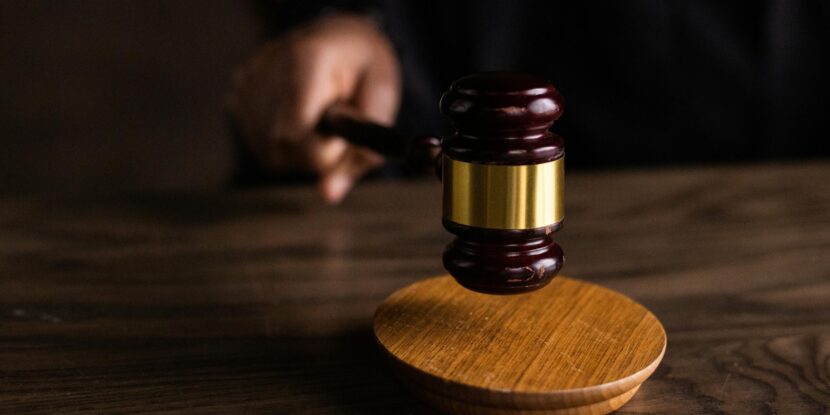
A three-judge panel of the United States Court of Appeals for the Fourth Circuit cleared the way for the Trump administration to move forward with plans to end diversity, equity, and inclusion (DEI) programs within the federal contracting and grant processes, vacating a district court injunction blocking the changes. In the unanimous ruling issued on Friday, the Fourth Circuit panel determined that the plaintiffs failed to establish their claim that two Executive Orders signed by President Donald J. Trump in January 2025, which ended federal support for DEI programs, violated their First Amendment free speech rights.
U.S. Chief Circuit Judge Albert Diaz, an Obama appointee, authored the court’s opinion, writing, “President Trump has decided that equity isn’t a priority in his administration and so has directed his subordinates to terminate funding that supports equity-related projects to the maximum extent allowed by law. Whether that’s sound policy or not isn’t our call. We ask only whether the policy is unconstitutionally vague for funding recipients.”
Notably, the court found that because President Trump‘s Executive Orders were directives issued to his Cabinet and did not attempt to govern the private conduct of federal grant recipients, the directives had no impact on the free speech rights of the plaintiffs. The Fourth Circuit panel admonished the plaintiffs and the lower court ruling, writing, “What plaintiffs are really asking us to do is read subtext into the Provision’s text. And what they’re really challenging is how the Administration and its agency actors interpret antidiscrimination law in relation to plaintiffs’ DEI programming.”
The Trump administration’s plans to end DEI requirements and programs for federal contractors and grant recipients have been in limbo since last February, when the City of Baltimore—joined by the American Association of University Professors (AAUP) and the National Association of Diversity Officers in Higher Education (NADOHE)—filed a lawsuit against the directives in Maryland federal court. Subsequently, U.S. District Court Judge Adam B. Abelson, appointed by former President Joe Biden, issued an injunction against the administration, preventing Trump’s Executive Orders from going into effect. In his ruling, Judge Abelson specifically found that President Trump’s detectives likely violated the plaintiffs’ First Amendment rights.
❓WHAT HAPPENED: Police are investigating Lord Peter Mandelson for allegedly leaking confidential information to deceased pedophile financier Jeffrey Epstein while he was in the British government. Meanwhile, Prime Minister Sir Keir Starmer faces backlash for appointing Mandelson as Britain’s ambassador to the U.S., despite a history of scandals and his ties to Epstein already being public knowledge.
Newsletter
Need to Know.
Your free, daily feed from The National Pulse.
Thank You!
You are now subscribed to our newsletter.
👤WHO WAS INVOLVED: Peter Mandelson, Keir Starmer, and Britain’s ruling Labour Party.
📍WHEN & WHERE: Police activity was observed at Mandelson’s Wiltshire property on Friday, February 6, 2026, and his central London residence.
💬KEY QUOTE: “I am beyond being furious and appalled… To think that he was leaking the information to Epstein so he could help rich Americans make money on the UK government’s actions. It is treasonous,” said Labour Member of Parliament (MP) Emily Darlington.
🎯IMPACT: The scandal has caused significant political fallout, with Labour MPs calling for a complete overhaul of Starmer’s advisory team and potentially his resignation.
IN FULL
British police are investigating Lord Peter Mandelson over allegations that he leaked sensitive government information to the late pedophile financier Jeffrey Epstein when he was in government, with officers attending properties linked to him in both Wiltshire and central London on Friday. Witnesses reported one marked police vehicle and several unmarked cars outside Mandelson’s Wiltshire home, where media crews were also present. Separate reports said officers wearing body cameras entered his London residence as part of the same inquiry.
The allegations have reignited controversy surrounding Prime Minister Sir Keir Starmer’s decision to appoint Mandelson as the British ambassador to the United States, a role he was forced to leave only months after taking up the post. Many public figures, including The National Pulse Editor-in-Chief Raheem Kassam, had expressed strong opposition to Mandelson’s appointment, and now appear to be vindicated.
Mandelson, a former Cabinet member under Labour Party prime ministers Tony Blair and Gordon Brown, as well as a European Commissioner, had acknowledged knowing Epstein socially in the past, but maintained he was unaware of his criminal activities at the time. Subsequent disclosures have revealed this was untrue, with Starmer later apologizing to Epstein’s victims and admitting the ambassadorship was a serious error.
Labour Members of Parliament (MPs) have reacted angrily to the scandal. Emily Darlington MP, for instance, described Mandelson’s alleged conduct as “treasonous,” saying, “I am beyond being furious and appalled… To think that he was leaking the information to Epstein so he could help rich Americans make money on the UK government’s actions.” She called for a full investigation into the potential financial cost to taxpayers.
Simon Opher, another Labour MP, called for Starmer’s advisory team to be fired, saying the Prime Minister has “been badly advised, and he’s been really let down, particularly on this decision.”
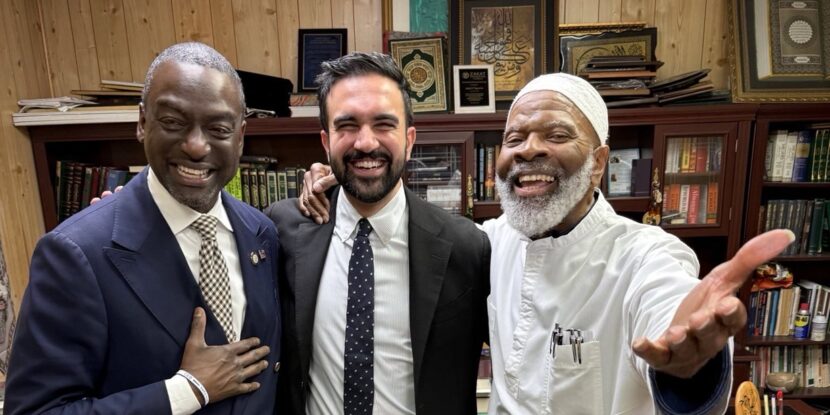
❓WHAT HAPPENED: New York City Mayor Zohran Mamdani (D), a member of the extremist “Twelver” sect of Shia Islam, invoked the Prophet Muhammad and the history of Islam to defend his support for even more expansive sanctuary laws while speaking before 400 faith leaders at the annual Interfaith Breakfast.
Newsletter
Need to Know.
Your free, daily feed from The National Pulse.
Thank You!
You are now subscribed to our newsletter.
👤WHO WAS INVOLVED: Zohran Mamdani, illegal immigrants, U.S. Immigration and Customs Enforcement (ICE), and New York residents.
📍WHEN & WHERE: The Interfaith Breakfast occurred on Friday, February 6, 2026, in New York City.
💬KEY QUOTE: “I consider my own faith, Islam, a religion built upon a narrative of migration. The story of the Hijrah reminds us that Prophet Muhammad, was a stranger too, who fled Mecca and was welcomed in Medina.” — Zohran Mamdani
🎯IMPACT: While Mamdani likely intended to relate his protection of criminal illegal immigrants to a seemingly sympathetic story of faith and religious persecution, the Hijrah not only marks Muhammad’s flight from Mecca but also the start of the Early Muslim conquests of the Middle East, when Muhammad returned to Mecca with an army, with his successors going on to take over North Africa, Spain, and other territories by force of arms.
IN FULL
New York City Mayor Zohran Mamdani (D), a member of the extremist “Twelver” sect of Shia Islam, invoked the Prophet Muhammad and the history of Islam to defend his support for even more expansive sanctuary laws while speaking before 400 faith leaders at the annual Interfaith Breakfast on Friday. Immediately following his address, the Ugandan immigrant socialist signed Executive Order 13, which bans U.S. Immigration and Customs Enforcement (ICE) agents from all city property—as well as hospitals, schools, homeless shelters, and municipal parking lots—unless they present a judicial warrant. Additionally, the measure orders city workers to refuse federal government requests for information about New York City residents unless required by law.
“I consider my own faith, Islam, a religion built upon a narrative of migration. The story of the Hijrah reminds us that Prophet Muhammad, was a stranger too, who fled Mecca and was welcomed in Medina,” Mamdani said before quoting the Quran. “Sura An-Nahl 16:42 tells us: ‘As for those who emigrated in the cause of Allah after being persecuted, we will surely bless them with a good home in this world,'” he said.
While Mamdani likely intended to relate his protection of criminal illegal immigrants to a seemingly sympathetic story of faith and religious persecution, the Hijrah, in which Muhammad and his followers fled to Medina after persecution in Mecca, marks the beginning Early Muslim conquests, which saw Muhammad establish the first Islamic state in Medina and initiate a series of violent conquests that captured Mecca and most of modern-day Saudi Arabia.
NEW: NYC mayor Zohran Mamdani suggests America should take notes from the “Prophet” Muhammad when it comes to migration.
“I consider my own faith, Islam, a religion built upon a narrative of migration.”
Over the next 130 years, Muhammad‘s successors, under the successive Rashidun and Umayyad Caliphates, would wage war across most of the Middle East and North Africa. By 750 A.D., the conquests had spread Islam through warfare from Persia, which was formerly Zoroastrian, to Spain, and as far north as the Caucasus.
Mamdani’s own “Twelver” sect of Islam, shared by Iran’s ruling mullahs, believes that there is a 1,200-year-old living prophet who is still alive but currently in hiding, and he will emerge to spread Islam worldwide in the future.
Notably, the former Biden government’s open border policies have been criticized by many, including President Donald J. Trump and two-thirds of Americans, as having facilitated a foreign invasion of the United States by millions of illegal immigrants. While most of those who illegally entered the country under Biden originated from countries in Central and South America, the refugee crisis in Europe has seen a flood of asylum seekers and illegal immigrants coming from the Middle East, North Africa, and South Asia. Overwhelmingly Muslim men of military age, these so-called refugees have fueled a cultural and religious clash that has seen acts of terrorism, rape, and attacks on churches and synagogues.
Join Pulse+ to comment below, and receive exclusive e-mail analyses.
show less
show more
By Popular Demand.
The National Pulse Now has an on-site comments section for members. Sign up today and be part of the conversation in our community of almost 15,000.
Share Story
FacebookTwitterWhatsappTruthTelegramGettrCopy Link
Real News Fan? Show It!
Many people are shocked to learn that because of active censorship, we currently have to spend more time making sure you can even see The National Pulse, than on producing the news itself. Which sucks. Because we do this for the truth, and for you.
But the regime doesn’t want you being informed. That’s why they want us to go away. And that will happen if more people don’t sign up to support our work. It’s basic supply and demand. So demand you get to read The National Pulse, unrestricted. Sign up, today.
We don’t sell ads, and refuse corporate or political cash. It all comes down to you, the reader. I hope you can help.
















.jpg)

