





❓WHAT HAPPENED: A sex chatbot for Kenyan youth was funded by British taxpayers, aiming to improve sexual health but reportedly failing to achieve its dubious goals.
👤WHO WAS INVOLVED: The Foreign, Commonwealth, and Development Office (FCDO) funded the project under the Ideas to Impact programme.
📍WHEN & WHERE: The chatbot was funded in 2019 in Kenya, with the project being part of a larger British foreign aid scheme.
💬KEY QUOTE: “I remember a time when money sent abroad was meant to help irrigate and farm the land in poorer countrie… Whoever dreamt up this idea needs sacking.” – Lee Anderson, Member of Parliament (MP) for Nigel Farage’s Reform Party.
🎯IMPACT: The chatbot did not lead to increased contraception use.
A “pleasure-oriented” sex chatbot aimed at Kenyan young adults was funded with British taxpayer money through a British foreign aid initiative. While intended to promote better sexual health outcomes and an increase in the use of contraception, an academic evaluation found its impact in these areas was negligible.
The project formed part of a £41 million (~$55.2m) British foreign aid program dedicated to exploring “radical technology solutions” for challenges in developing countries. Lawmakers, however, raised concerns about prioritizing taxpayer funds for such efforts.
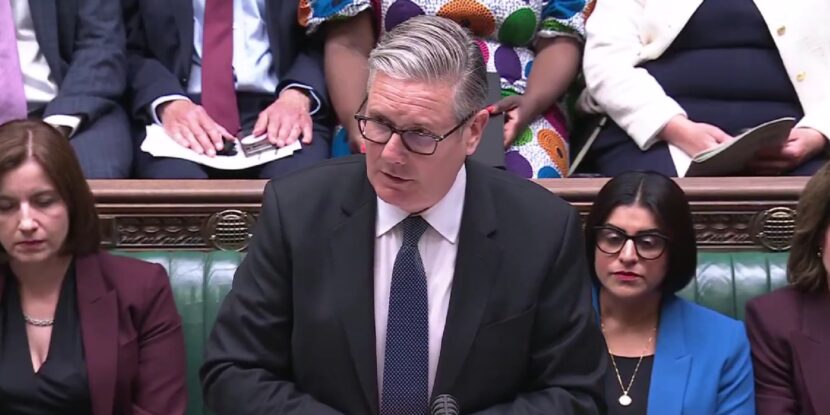
Shadow Foreign Secretary Priti Patel, a previous International Development Secretary, condemned the expenditure, declaring: “Britain is a country, not a charity. In this ever-changing world UK Aid must serve our national interest.” However, her Conservative Party oversaw high spending on foreign aid for years before its ouster by Prime Minister Sir Keir Starmer’s Labour Party in 2024, and was in power when the chatbot was funded.
“I remember a time when money sent abroad was meant to help irrigate and farm the land in poorer countries,” commented Lee Anderson, a Member of Parliament (MP) for Nigel Farage’s Reform Party. “British taxpayers’ money should not be being wasted on these ridiculous schemes. Whoever dreamt up this idea needs sacking.”
The chatbot was supposedly intended to promote safer sex practices in Kenya, a country grappling with one of the world’s most severe HIV epidemics. However, while Kenyan youth showed engagement with pleasure-related content, the tool did not lead to greater adoption of contraception.
Even so, the pilot was labeled “promising,” prompting discussions about potential additional funding. The FCDO declined to specify the precise amount spent on the chatbot from taxpayer funds, claiming that it would be inappropriate to comment on past funding decisions.
Join Pulse+ to comment below, and receive exclusive e-mail analyses.



 FLASHBACK:






.jpg)


