





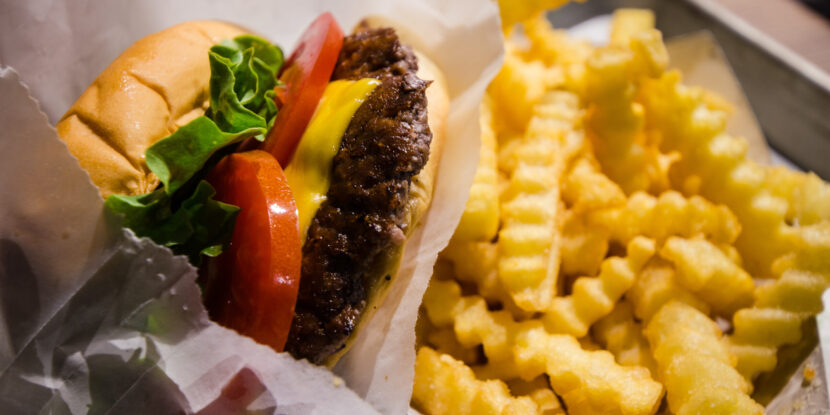
❓WHAT HAPPENED: A ban on junk food adverts targeting food and drinks high in fat, salt, and sugar (HFSS) has come into effect in the United Kingdom, prohibiting their promotion on TV before 21:00 and at any time online.
👤WHO WAS INVOLVED: The British government, the Food and Drink Federation (FDF), marketing agencies, and food manufacturers are key stakeholders in this initiative.
📍WHEN & WHERE: The ban begins Monday across the United Kingdom.
💬KEY QUOTE: “Children are highly susceptible to aggressive marketing of unhealthy foods and exposure to them puts them at greater risk of developing obesity and associated chronic diseases,” claims Katherine Brown, of the University of Hertfordshire.
🎯IMPACT: The government claims the policy will prevent 20,000 cases of childhood obesity, with food manufacturers being encouraged to develop healthier products.
New restrictions on junk food advertising, part of a British government campaign to reduce childhood obesity, are coming into force on Monday. The measures ban television advertisements for foods and drinks high in fat, salt, and sugar (HFSS) before 9 PM and prohibit such advertising entirely online. The restrictions apply to products considered major contributors to poor childhood diets, including soft drinks, chocolates, sweets, pizzas, and ice creams.
Some breakfast cereals, porridges, and sweetened bread products are also affected, depending on their nutritional content. Plain oats, along with most muesli and granola, are not covered unless they include added sugar, chocolate, or syrup.
Josh Tilley, brand strategy director at Initials CX, said the rules could disadvantage smaller businesses compared with large multinational brands. “Smaller companies can’t necessarily afford those bigger brand campaigns,” he said. “Their adverts are based on educating people about specific products, and they’re no longer going to be able to do that.”
National Health Service (NHS) figures show that almost one in ten children starting school in England is obese, while around one in five children have tooth decay by the age of five. Government officials claim the advertising restrictions could help prevent approximately 20,000 cases of childhood obesity each year. Katherine Brown, a professor at the University of Hertfordshire, described the move as “long overdue and a step in the right direction.”
“Children are highly susceptible to aggressive marketing of unhealthy foods and exposure to them puts them at greater risk of developing obesity and associated chronic diseases,” Brown argued.
The advertising ban is part of a broader effort to curb junk food consumption. Other measures introduced in recent years include limits on buy one, get one free promotions for unhealthy foods and a ban on free refills of sugary soft drinks in many food outlets, aimed at reducing excessive sugar intake. Public health officials argue that such policies are necessary to tackle long-term health problems linked to diets high in ultra-processed foods.
The Food and Drink Federation said its members had been voluntarily complying with the advertising restrictions since October and pledged continued cooperation with the government. “Investing in developing healthier products has been a key priority for food and drink manufacturers for many years,” the organization said, adding that manufacturers have significantly reduced salt, sugar, and calorie levels in many products over the past decade.
Internationally, food companies are also facing increasing pressure over the health impact of junk food. Several major manufacturers in the U.S. have recently announced plans to phase out artificial food dyes and reformulate products, reflecting growing scrutiny from regulators and consumers over the role of highly processed foods in diet-related illness.
Join Pulse+ to comment below, and receive exclusive e-mail analyses.
















.jpg)


