



❓WHAT HAPPENED: The Trump administration is continuing deportation flights to Venezuela despite its arrest of Venezuelan dictator Nicolás Maduro.
👤WHO WAS INVOLVED: President Donald J. Trump, Homeland Security Assistant Secretary Tricia McLaughlin, and Venezuelan interim President Delcy Rodríguez.
📍WHEN & WHERE: Deportation flights are ongoing, with key statements made on January 5, 2026, and during a press event aboard Air Force One.
💬KEY QUOTE: “The great news for those who are here from Venezuela on Temporary Protected Status is that they can now go home with hope for their country.” – Tricia McLaughlin
🎯IMPACT: The U.S. is working to stabilize Venezuela while ending Temporary Protected Status (TPS) for approximately 500,000 Venezuelans in the U.S.
The Trump administration has confirmed that deportation flights to Venezuela are continuing, even following the recent arrest of Venezuelan dictator Nicolás Maduro. The administration says the flights are part of a broader effort to reverse illegal immigration while supporting stability in Venezuela.
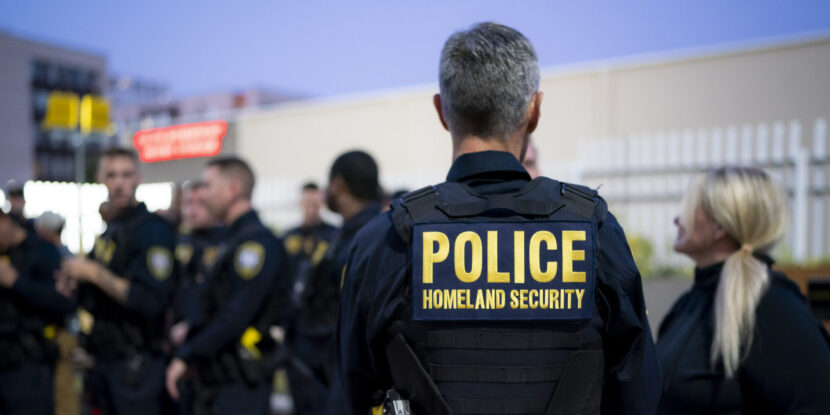
Homeland Security Assistant Secretary Tricia McLaughlin said, “The great news for those who are here from Venezuela on Temporary Protected Status is that they can now go home with hope for their country.” Her remarks followed the administration’s decision to revoke Temporary Protected Status (TPS) for approximately 500,000 Venezuelans, a move intended to encourage voluntary returns and enable forcible deportations.
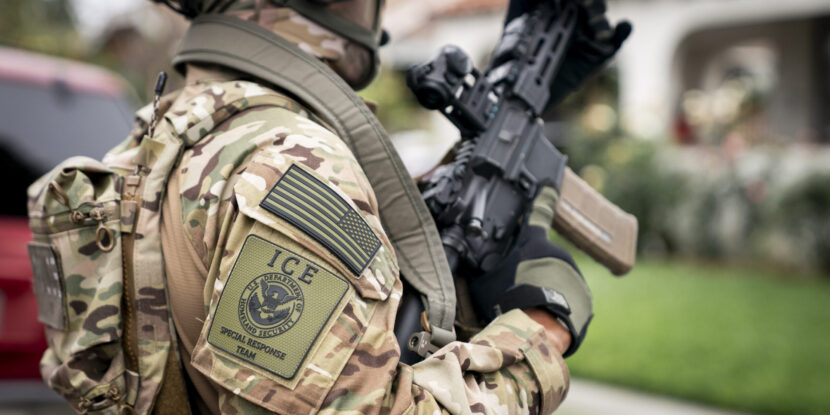
Earlier this year, the Trump administration asked the Supreme Court to allow the removal of TPS protections for about 350,000 Venezuelans, arguing that conditions in the country have changed and that deportations could proceed safely. The Department of Homeland Security (DHS) has reported an increase in enforcement actions, including the deportation of nearly 200 Venezuelan nationals described by officials as dangerous criminals in a single week.
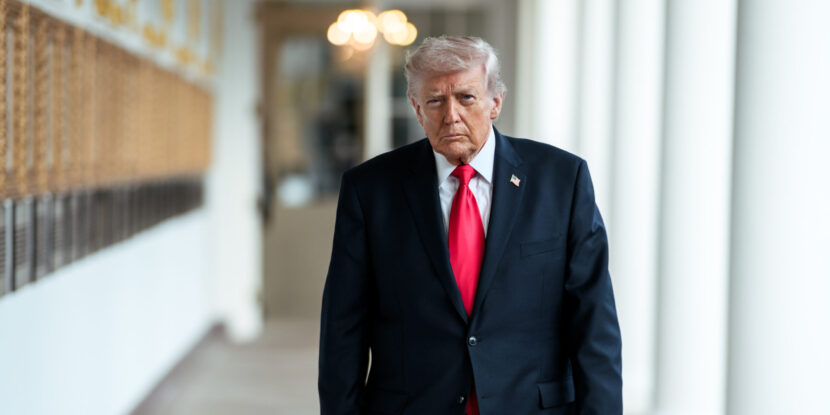
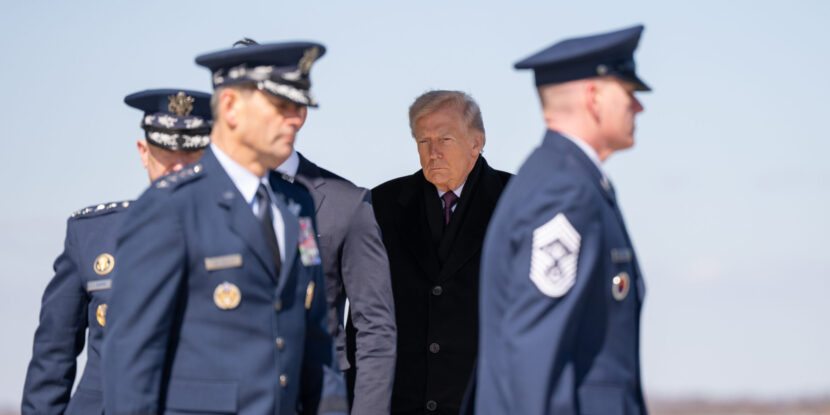
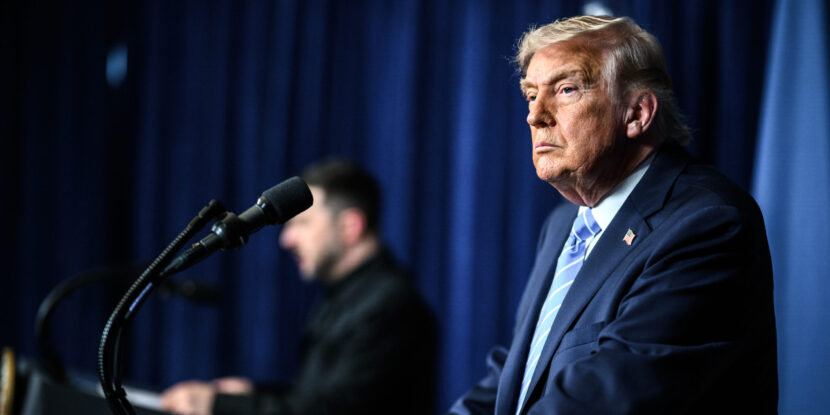
President Donald J. Trump addressed the issue while speaking aboard Air Force One, asserting that the United States is “in charge” of Venezuela and that elections would take place there “at the right time.” He emphasized the importance of stability in neighboring countries, particularly regarding energy production, adding, “This is Venezuela, our area, the ‘Donroe Doctrine.’”
Venezuela under Maduro briefly signaled resistance to accepting deportation flights after U.S. comments about restricting its airspace last month, but ultimately agreed to receive them. Since the restart of flights, thousands of Venezuelan migrants have been returned.
Meanwhile, Venezuelan interim President Delcy Rodríguez has publicly called for dialogue with Washington, inviting cooperation on development efforts. Rodríguez said, “Our people and our region deserve peace and dialogue, not war.”
Join Pulse+ to comment below, and receive exclusive e-mail analyses.