





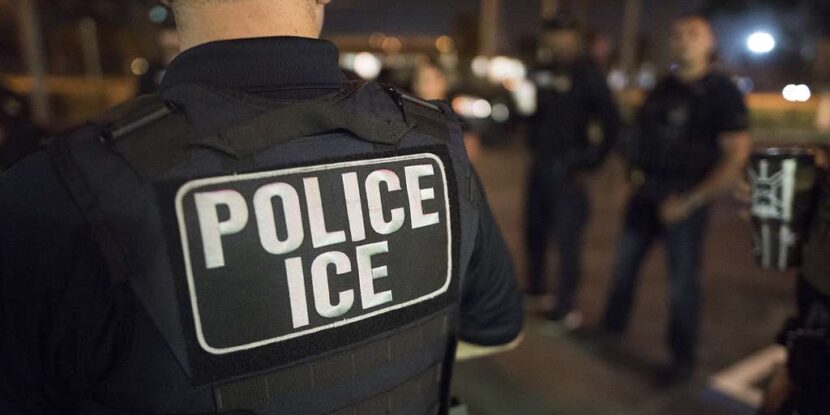
❓WHAT HAPPENED: A panel of the United States Court of Appeals for the Eighth Circuit lifted an injunction issued by U.S. District Judge Katherin Menendez, which had restricted federal agents’ actions during Minneapolis protests.
👤WHO WAS INVOLVED: The Trump Administration, U.S. District Court Judge Katherin Menendez, the Department of Homeland Security (DHS), U.S. Immigrations and Customs Enforcement (ICE), and anti-ICE protesters in Minneapolis.
📍WHEN & WHERE: The decision was issued by the Eighth Circuit Court of Appeals following a January 16 ruling by Judge Menendez in Minneapolis.
💬KEY QUOTE: “To the extent the injunction’s breadth and vagueness cause federal agents to hesitate in performing their lawful duties, it threatens to irreparably harm the government and undermine the public interest.” – Eighth Circuit Court of Appeals
🎯IMPACT: The ruling allows federal agents to resume their duties without the restrictions imposed by the injunction, which the court found to be overly broad and vague.
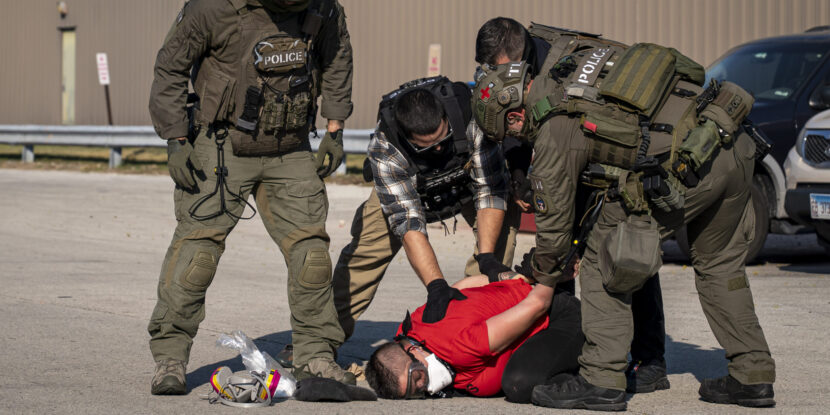
The United States Court of Appeals for the Eighth Circuit has overturned an injunction issued by U.S. District Court Judge Katherin Menendez blocking federal law enforcement from pepper spraying, detaining, arresting, or otherwise engaging with protestors in Minneapolis, Minnesota, without probable cause. Judge Menendez, a Joe Biden appointee, had ruled in favor of protesters suing the Department of Homeland Security (DHS) and U.S. Immigration and Customs Enforcement (ICE), claiming violations of their First and Fourth Amendment rights.
The Eighth Circuit decision emphasizes that Judge Menendez’s decision failed to consider the varied nature of the conduct and circumstances involved. The court stated, “We accessed and viewed the same videos the district court did. What they show is observers and protestors engaging in a wide range of conduct, some of it peaceful but much of it not. They also show federal agents responding in various ways.” The court further noted that the differences in conduct made it impossible to address all claims in “one stroke.”
Additionally, the panel criticized the injunction for being too vague, stating that it left federal agents in a precarious position of having to predict what might be considered “peaceful and unobstructive protest activity.” The court emphasized that the videos demonstrated a rapidly changing environment where peaceful and obstructive actions often overlapped, making it difficult for law enforcement to act decisively.
The court also warned that the injunction’s vagueness and breadth could lead federal agents to hesitate to perform their lawful duties, potentially harming the government and undermining the public interest. The ruling stated, “To the extent the injunction’s breadth and vagueness cause federal agents to hesitate in performing their lawful duties, it threatens to irreparably harm the government and undermine the public interest.”
Judge Menendez is also presiding over another case involving a broader motion to enjoin ICE operations, a filing by Minnesota Attorney General Keith Ellison that has been criticized as constitutionally unfounded.
Join Pulse+ to comment below, and receive exclusive e-mail analyses.

















.jpeg)


.jpg)

