



❓WHAT HAPPENED: The Department of Justice (DOJ) released over three million pages of documents, more than 2,000 videos, and 180,000 images related to the Jeffrey Epstein case.
👤WHO WAS INVOLVED: Deputy Attorney General Todd Blanche, the DOJ, and Congress.
📍WHEN & WHERE: Files were released on Friday, following the passage of the Epstein Files Transparency Act last November.
💬KEY QUOTE: “I take umbrage at the suggestion, which is totally false, that the attorney general or this department does not take child exploitation or sex trafficking seriously.” – Todd Blanche
🎯IMPACT: The release complies with the Epstein Files Transparency Act, though some materials remain redacted to protect victims and sensitive information.
The U.S. Department of Justice (DOJ) has made public more than three million pages of documents, together with over 2,000 videos and 180,000 images, to fulfill its obligations under the Epstein Files Transparency Act. These materials relate to the criminal investigation and death of convicted pedophile and financier Jeffrey Epstein.
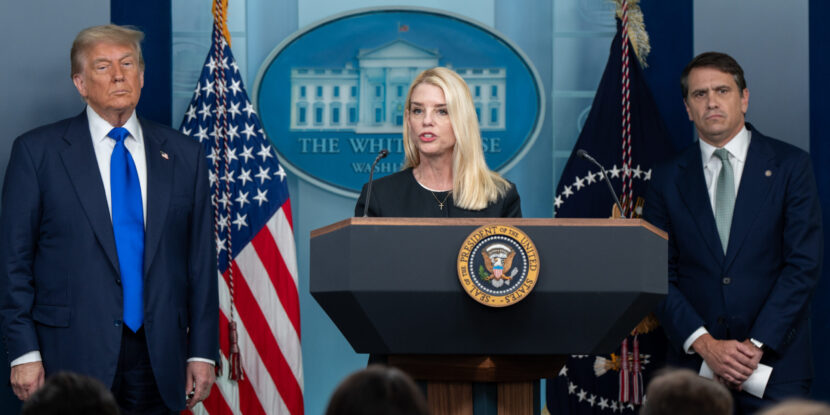
Deputy Attorney General Todd Blanche shared the news at a press conference on Friday. He noted that more than 500 lawyers and staff members put in extensive work, including work on weekends and holidays, to complete a review of the documents and meet the law’s demands. The team examined over six million pages in total, removing duplicates and irrelevant items while safeguarding sensitive details about victims. Blanche likened the volume reviewed to “two Eiffel Towers of pages.”
“I take umbrage at the suggestion, which is totally false, that the attorney general or this department does not take child exploitation or sex trafficking seriously, or that we somehow do not want to protect victims,” Blanche said. He stressed that the department was not protecting any prominent figures, countering various allegations tied to the delay in releasing all documents.
The DOJ explained that any redactions were kept to a minimum and focused solely on shielding victims and their families. “Some pornographic images, whether commercial or not, were redacted, given the Department treated all women in those images as victims,” said a DOJ statement.
Notably, Blanche said no redactions were applied to the names of notable people, including politicians, in the released materials.
Join Pulse+ to comment below, and receive exclusive e-mail analyses.