





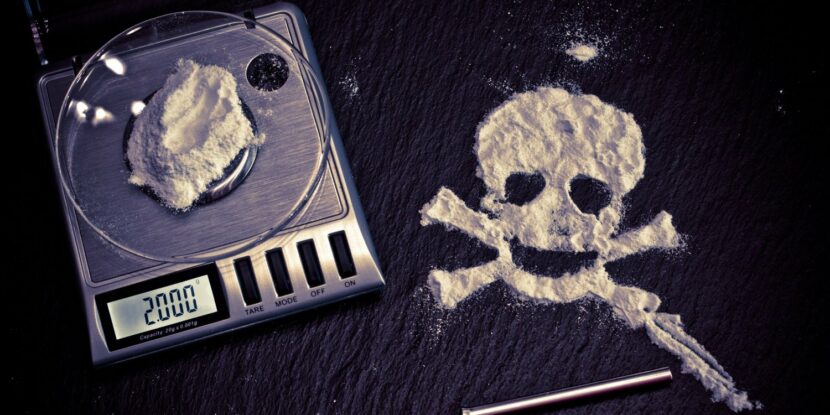
❓WHAT HAPPENED: Medetomidine, a potent animal sedative known as “rhino tranq,” is increasingly being used as an adulterant in fentanyl distributed on American streets.
👤WHO WAS INVOLVED: Drug cartels and public health officials monitoring illicit drug trends.
📍WHEN & WHERE: Public health alerts indicate medetomidine’s presence in cities such as New York, Philadelphia, and Chicago as of February 2026.
🎯IMPACT: The rise of medetomidine in street drugs poses significant public health risks and complicates efforts to combat the opioid crisis.
Drug traffickers are increasingly adding medetomidine, a powerful animal tranquilizer, to illicit fentanyl supplies in the United States, according to public health officials and law enforcement agencies. The drug, which is approved only for veterinary use, has been detected in seized samples in cities including New York, Philadelphia, and Chicago, raising new concerns about the growing unpredictability of the illicit opioid market.
Medetomidine belongs to the same class of sedatives as xylazine, a veterinary drug already widespread in the fentanyl supply. Toxicologists warn medetomidine is significantly more potent, capable of causing extreme sedation, dangerously slowed heart rates, and prolonged unconsciousness. Its presence also complicates overdose response, as naloxone can reverse fentanyl’s opioid effects but does not counteract non-opioid sedatives, leaving some overdose victims unresponsive even after treatment.
U.S. officials say the substance is legally manufactured overseas for animal use, then diverted into illicit supply chains. As with fentanyl, precursor chemicals and finished drugs are believed to move through Mexico-based cartels before being trafficked into the United States. The Drug Enforcement Administration (DEA) has reported changes in the composition of seized fentanyl, with medetomidine appearing alongside or replacing other adulterants.
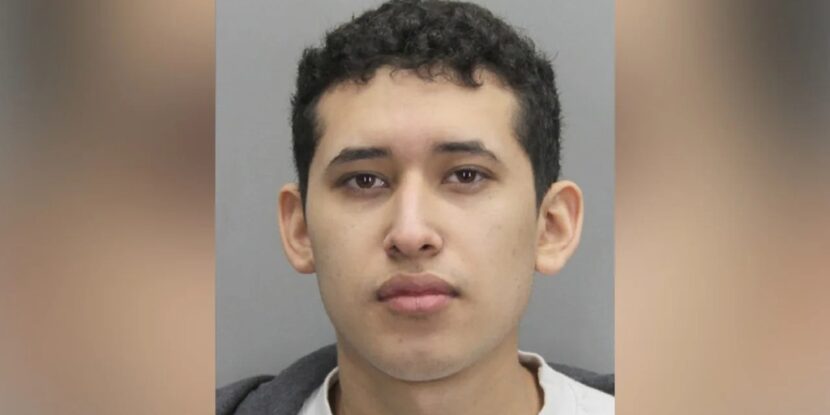
The trend comes as federal authorities seek to combat broader cartel activity affecting the U.S. According to recent reporting, Mexican drug cartels have expanded operations beyond trafficking, including recruiting teenagers inside the United States to carry out targeted killings on their behalf. Prosecutors have said such cases demonstrate how cartels exploit legal and social vulnerabilities to advance their operations.
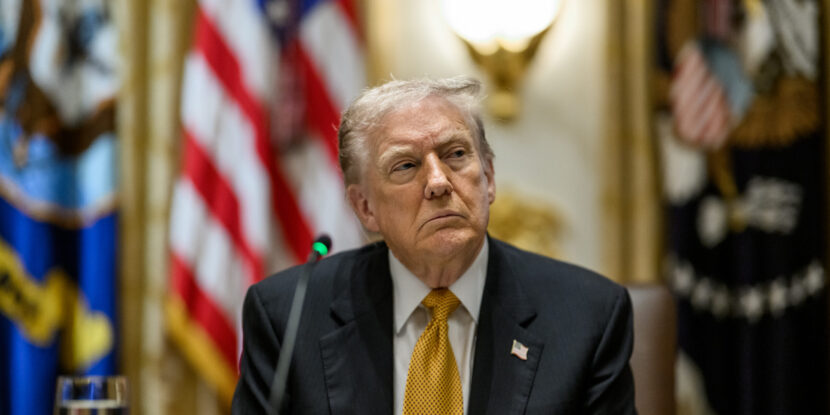
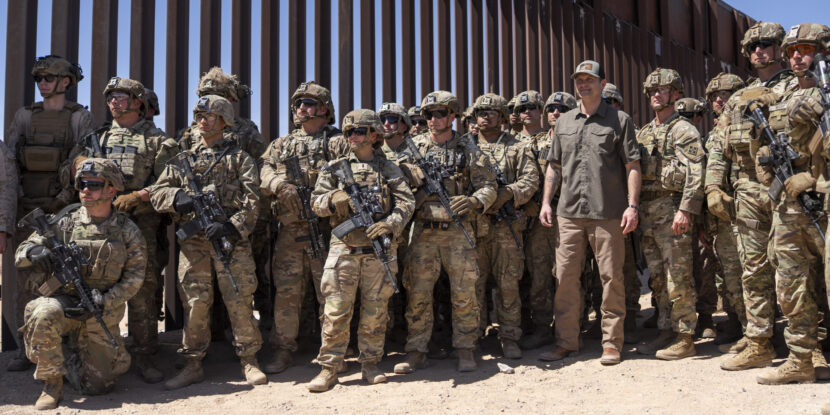
However, provisional data cited in recent reports show U.S. overdose deaths declining by roughly one-fifth compared with previous years, amid intensified pressure on cartel networks and drug trafficking routes routes by the Trump administration. Notably, President Donald J. Trump has confirmed plans for land-based military strikes targeting cartel infrastructure, following a wave of strikes on cartel boats in the Caribbean Sea and Pacific Ocean, believed to have eliminated dozens of narco-terrorists.
Join Pulse+ to comment below, and receive exclusive e-mail analyses.












_(1).jpg)


