



❓WHAT HAPPENED: Canadians will spend approaching $1 billion on health-care premiums for asylum seekers this year, including those with rejected claims.
👤WHO WAS INVOLVED: The Office of the Parliamentary Budget Officer, asylum claimants, and the Conservative Party.
📍WHEN & WHERE: Across 2026, Canada.
💬KEY QUOTE: “Rejected asylum claimants are now receiving better health care than many Canadians who have paid into a system their entire life.” – Conservative lawmakers Dan Mazier and Michelle Rempel Garner.
🎯IMPACT: The cost of the Interim Federal Health Program is projected to reach $1.5 billion by 2029, with Canadians spending $6.2 billion by 2030.
Canada’s Interim Federal Health Program (IFHP), which provides health coverage to asylum seekers, is projected to cost approximately $750 million this year, up sharply from about $158 million six years ago. According to a recent report by the Office of the Parliamentary Budget Officer, annual costs could rise to roughly $1.125 billion by 2029, with total spending on healthcare for refugees and refugee claimants expected to reach $4.65 billion by 2030.
The report, requested by the opposition Conservative Party, notes that the IFHP is available not only to active asylum claimants but also, in some cases, to migrants whose claims have been rejected but who remain in Canada. The program covers services such as dental care, vision care, and prescription medications—benefits that exceed what many Canadians receive through provincial health plans.
Conservatives Dan Mazier and Michelle Rempel Garner said the disparity is troubling at a time when millions of Canadians report difficulty accessing primary care. They argue that with long wait times and ongoing doctor shortages, the federal government should prioritize improving access for citizens.
“Rejected asylum claimants are now receiving better health care than many Canadians who have paid into a system their entire life,” the two politicians said.
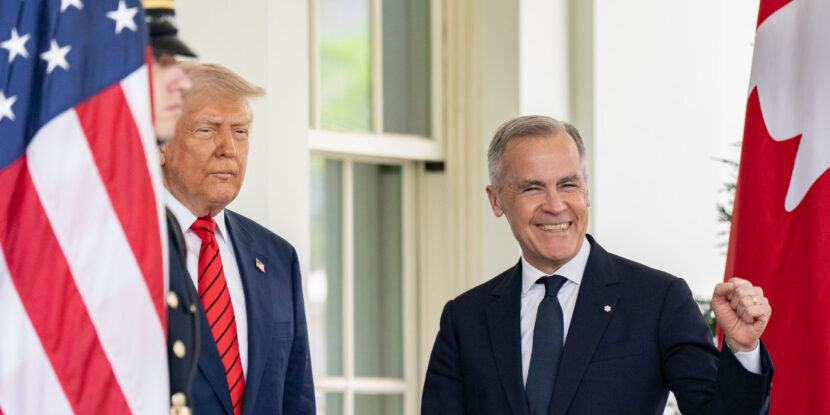
Liberal Party Prime Minister Mark Carney‘s government has announced reforms to the Interim Federal Health Program set to take effect May 1. Under the changes, asylum claimants will supposedly be required to pay a portion of prescription drug and supplemental health costs. Even with those adjustments, the overall scope of coverage will remain broader than what many Canadians receive without private insurance.
Debate over migrant healthcare spending is not limited to Canada. In the United States and Britain, the cost of providing housing, medical care, and other support services to asylum seekers has become a contentious political issue. Reports in both countries have highlighted taxpayer-funded accommodations and access to publicly financed healthcare for migrants, amid strained public systems and long wait times for citizens.
Join Pulse+ to comment below, and receive exclusive e-mail analyses.