



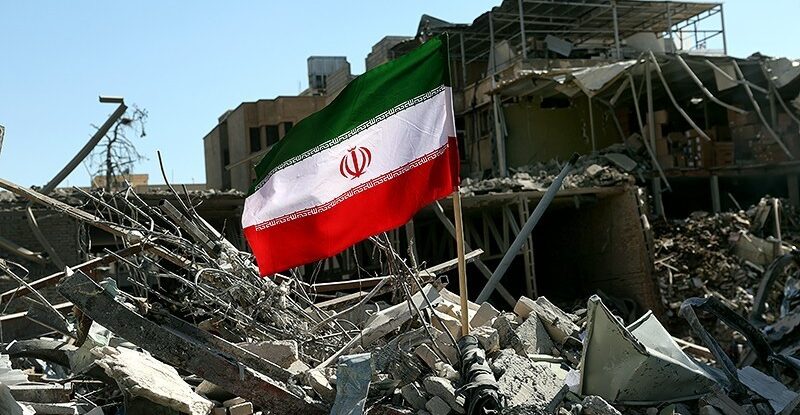

❓WHAT HAPPENED: Increasing evidence suggests the Kurds of Western Iran and Northern Iraq could play a pivotal role in destroying what remains of the regime forces of the Islamic Republic of Iran.
👤WHO WAS INVOLVED: President Donald J. Trump, Reza Pahlavi, Masoud Barzani, Bafel Talabani, Iran’s Artesh, the Islamic Revolutionary Guard Corps (IRGC), and Israeli and U.S. military forces.
📍WHEN & WHERE: Reports of possible Kurdish armed operations began surfacing after joint-U.S.-Israeli airstrikes against Iran began over the weekend.
💬KEY QUOTE: “To the members of the Islamic Revolutionary Guard, the armed forces, and all of the police, I say tonight that you must lay down your weapons and have complete immunity, or in the alternative, face certain death.” — President Trump
🎯IMPACT: Iran and its proxy Shia militias in Iraq have intensified attacks on Iraqi Kurdistan—suggesting the regime recognizes the possible threat from armed Kurds.
Increasing evidence suggests the Kurds of Western Iran and Northern Iraq could play a pivotal role in destroying what remains of the regime forces of the Islamic Republic of Iran. President Donald J. Trump reportedly spoke by phone with Kurdish leaders in Iraq this past Sunday after the United States and Israel began joint airstrikes against Iranian political and military leaders and critical infrastructure used by the regime to launch missiles and drones.
It is believed that President Trump spoke with Masoud Barzani and Bafel Talabani, the top leaders of the two largest Kurdish factions in Iraqi Kurdistan. Meanwhile, Britain’s ITV News claims that over the past year, Kurds in Northern Iraq have utilized smuggling routes once used by Iran’s Islamic Revolutionary Guard Corps (IRGC) to smuggle terrorists and Improvised Explosive Devices (IEDs) into Iraq to instead move weapons into Iran for use by the Kurdish population in the western territories of the Islamic Republic. These weapons and Kurdish militias could form an improvised ground force against what remains of the IRGC and Iran’s conventional army, called the Artesh.
Notably, the first wave of U.S. and Israeli airstrikes killed around 40 of Iran’s top political and military officials, including its Supreme Leader, Grand Ayatollah Ali Khamenei. The breakdown in Iran’s command-and-control structure has decentralized power within its military.
During an early morning address on Saturday, President Trump called on the soldiers in Iran’s Artesh and IRGC to “lay down your weapons and have complete immunity, or in the alternative, face certain death.” Subsequently, U.S. strikes have targeted Iranian military figures throughout the chain of command, along with police stations and military facilities.
Meanwhile, Iran and its proxy Shia militias in Iraq have intensified attacks on Iraqi Kurdistan—suggesting the regime recognizes the possible threat from armed Kurds. Adding further credence to possible Kurdish military action is a video address posted by Reza Pahlavi, Iran’s exiled crown prince, in which he calls upon Iran‘s Kurds and other minority groups to rise against the Islamic regime—promising a new government that will ensure secular governance, equal rights, and cultural protections.
Additional reports suggest the U.S. Central Intelligence Agency (CIA) has been actively involved in efforts to arm Kurdish fighters within Iran.
Image by Hossein Zohrevand/Tasnim News Agency.
Join Pulse+ to comment below, and receive exclusive e-mail analyses.