



❓WHAT HAPPENED: President Donald J. Trump announced a 60-day waiver of the Jones Act to address rising gas prices amid the ongoing conflict with Iran.
👤WHO WAS INVOLVED: President Donald Trump, White House Press Secretary Karoline Leavitt, Secretary of Energy Chris Wright, and the U.S. Maritime Administration.
📍WHEN & WHERE: Announced on Wednesday, March 18, 2026.
💬KEY QUOTE: “This action will allow vital resources like oil, natural gas, fertilizer, and coal to flow freely to U.S. ports for sixty days, and the Administration remains committed to continuing to strengthen our critical supply chains.” — Karoline Leavitt.
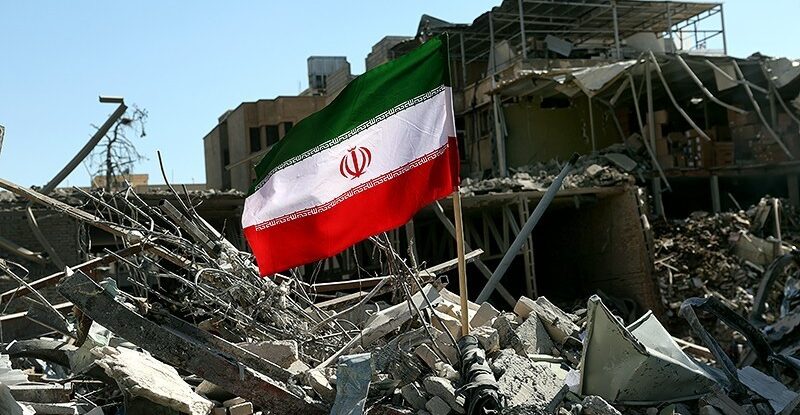
🎯IMPACT: The waiver aims to mitigate short-term disruptions to the oil market amid ongoing U.S. military strikes against the Islamic Republic of Iran.
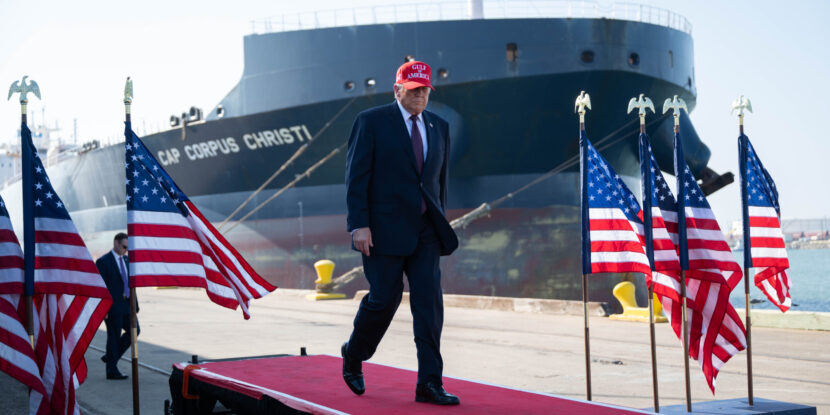
President Donald J. Trump is set to issue a 60-day waiver of the Jones Act, a federal statute dealing with cabotage, with the aim of lowering gas prices amid ongoing U.S. military strikes against the Islamic Republic of Iran, according to White House Press Secretary Karoline Leavitt. The Jones Act, formally known as Section 27 of the Merchant Marine Act of 1920, requires goods shipped between U.S. ports to be on American-built, owned, and operated ships.
“President Trump’s decision to issue a 60-day Jones Act waiver is just another step to mitigate the short-term disruptions to the oil market as the U.S. military continues meeting the objectives of Operation Epic Fury. This action will allow vital resources like oil, natural gas, fertilizer, and coal to flow freely to U.S. ports for sixty days, and the Administration remains committed to continuing to strengthen our critical supply chains,” Leavitt wrote in a post on X (formerly Twitter).
The announcement comes as Americans face spiking gas prices, with AAA reporting an average of $3.842 per gallon on Wednesday, up from $3.578 a week earlier and $2.923 a month earlier. The rising prices have presented a political challenge for Trump ahead of the midterms.
Supporters of the waiver believe it could provide some relief by opening domestic shipping routes to foreign-flagged vessels, potentially expanding transportation options. However, experts remain divided. Some estimates forecast that the waiver could decrease East Coast gas prices by 3 cents but might raise costs on the Gulf Coast. Other experts contend that while a waiver may not lead to dramatic price drops, it could reduce market distortions and increase energy movements.
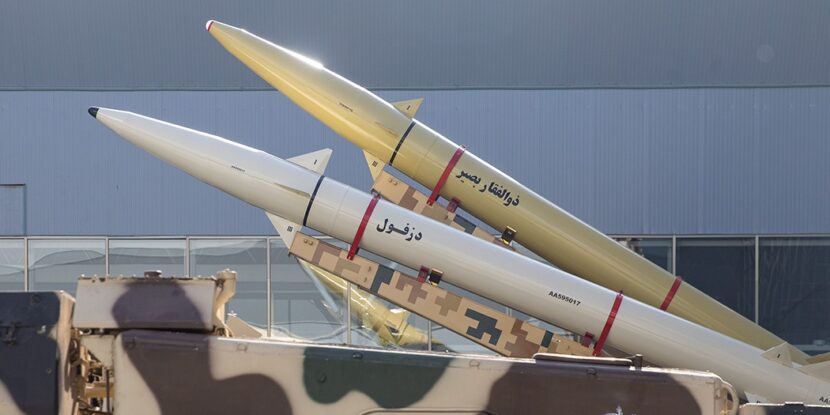
Operation Epic Fury, authorized by President Trump on February 28, has provoked Iranian retaliation across the Middle East—including the targeting of oil and gas infrastructure in neighboring Gulf states, and attacks on international shipping in the Strait of Hormuz. The strait, a critical bottleneck for global oil transport, sees an estimated 20 million barrels of oil per day pass through the waterway. However, Iran’s targeting of several oil tankers and cargo ships with drone and missile strikes has led to skyrocketing insurance costs and a steep decline in traffic through the strait.
Join Pulse+ to comment below, and receive exclusive e-mail analyses.