




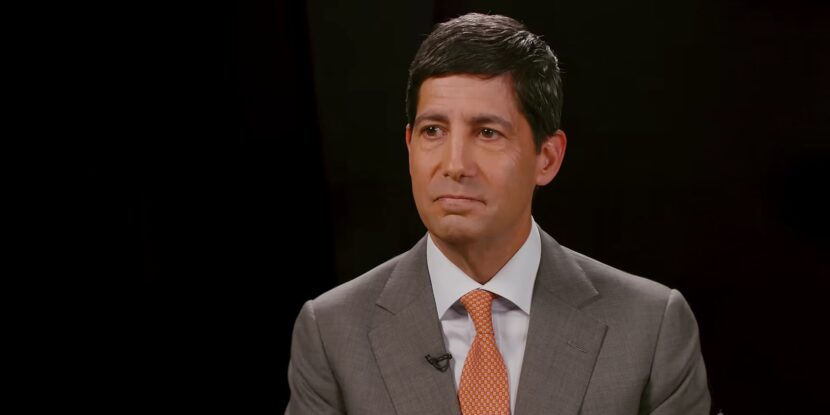

❓WHAT HAPPENED: President Donald J. Trump announced his nomination of economist Kevin Warsh to serve as the next chairman of the Federal Reserve.
👤WHO WAS INVOLVED: Donald Trump, Kevin Warsh, and current Federal Reserve Chairman Jerome Powell.
📍WHEN & WHERE: Announcement made on Friday, January 30, 2026. Pending Senate confirmation, Warsh will succeed Jerome Powell when the latter’s term expires on May 15, 2026.
💬KEY QUOTE: “I have known Kevin for a long period of time, and have no doubt that he will go down as one of the GREAT Fed Chairmen, maybe the best.” – Donald Trump
🎯IMPACT: If confirmed, Warsh would succeed Powell in May and potentially reshape Federal Reserve policy, which Trump has criticized for its handling of interest rates.
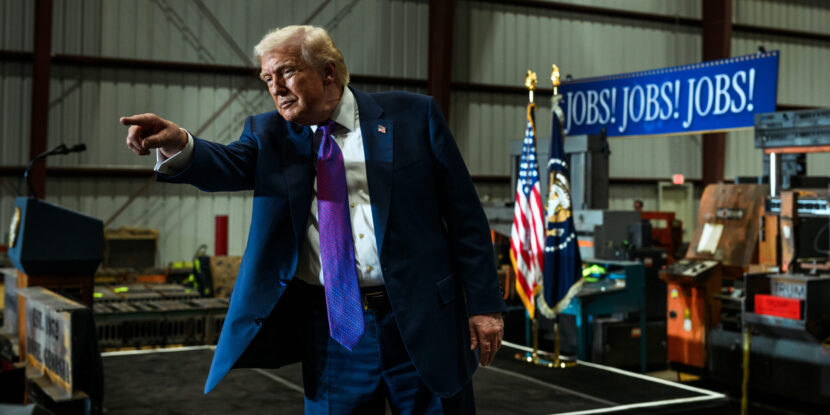
President Donald J. Trump announced on Friday that he will nominate Kevin Warsh to serve as the next Chairman of the Federal Reserve, succeeding Jerome Powell, whose term expires on May 15, 2026. Warsh, a former member of the Federal Reserve’s Board of Governors, has been a critic of Powell’s hesitancy to cut interest rates. Since his inauguration last January, President Trump has ramped up his criticism of Powell, even floating the possibility of firing the Fed chairman.
“I am pleased to announce that I am nominating Kevin Warsh to be the CHAIRMAN OF THE BOARD OF GOVERNORS OF THE FEDERAL RESERVE SYSTEM,” Trump posted on Truth Social, adding: “I have known Kevin for a long period of time, and have no doubt that he will go down as one of the GREAT Fed Chairmen, maybe the best. On top of everything else, he is ‘central casting,’ and he will never let you down. Congratulations Kevin!”
Warsh has long been seen as the safest choice to lead the Federal Reserve, with strong ties to Wall Street and a more hawkish stance on lowering interest rates. The National Pulse previously reported that Warsh aligned early with President Trump regarding interest rates, stating last year, “The President’s right to be frustrated with Jay Powell and the Federal Reserve.”
Currently, Warsh serves as an economist with the Hoover Institution and a lecturer at the Stanford Graduate School of Business. He previously served as an economic policy advisor to President George W. Bush and became the youngest Federal Reserve governor at age 35 when he joined the board in 2006, a role he held until 2011. In the latter role, Warsh served as a critical go-between for Washington, D.C., and Wall Street during the 2008 financial crisis.
Notably, Warsh was also a finalist to be President Trump’s Treasury Secretary, with the job ultimately going to macro-fund manager Scott Bessent. Bessent and Warsh are believed to be on friendly terms with the latter having proposed a new Treasury-Fed accord, similar to one implemented in 1951, to address the nation’s debt and improve coordination between monetary and fiscal policies.
Join Pulse+ to comment below, and receive exclusive e-mail analyses.








.jpg)


