❓WHAT HAPPENED: New countryside management plans are being implemented to make England’s rural areas more “diverse,” with claims that these spaces are perceived as a “white environment.”
👤WHO WAS INVOLVED: Britain’s far-left Labour Party government, white rural Britons, and ethnic minorities.
📍WHEN & WHERE: The plans stem from reports published since 2019, targeting areas such as the Malvern Hills in England.
💬KEY QUOTE: “Many minority peoples have no connection to nature in the UK because their parents and their grandparents did not feel safe enough to take them or had other survival preoccupations.” – Woke UK report.
🎯IMPACT: The plans aim to reshape rural areas to appeal to a more multicultural demographic, potentially altering traditional British countryside culture.
Government-backed plans to reshape England’s countryside are drawing fresh scrutiny, as officials move to make it more “diverse,” amid a recent history of anti-white policies in the United Kingdom. Authorities overseeing National Landscapes, formerly known as “Areas of Outstanding Natural Beauty,” are revising long-standing management strategies after internal reviews concluded that these areas risk appearing out of touch with a “modern Britain.”
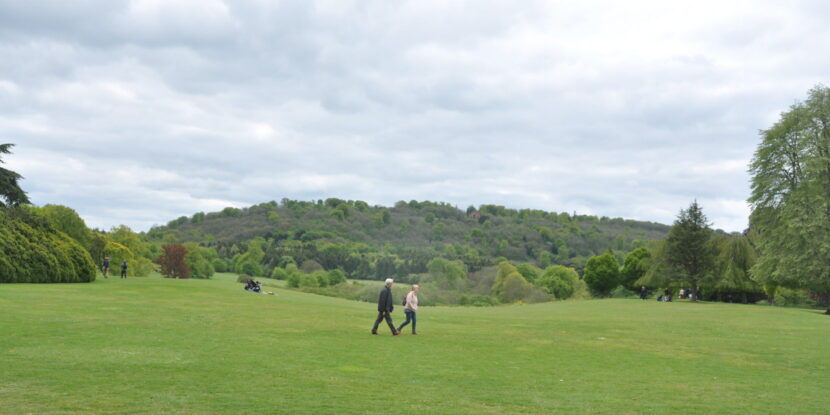
The concern, according to the woke planners, is that the countryside is widely viewed as a space dominated by white, middle-class visitors. Planners for the Malvern Hills openly complained that the area is seen as a place where “most white English users value the solitude and contemplative activities which the countryside affords.” However, they claim that “the tendency for ethnic minority people is to prefer social company (family, friends, schools).”
The plan further claims: “Many minority peoples have no connection to nature in the UK because their parents and their grandparents did not feel safe enough to take them or had other survival preoccupations.”
The push is not solely a product of the current leftist Labour government, with the groundwork being laid under the formerly governing Conservatives beginning in 2019. At that time, a series of government-commissioned reports warned that the countryside was being perceived as “an exclusive, mainly white, mainly middle-class club” and risked ending up “being irrelevant to the country that actually exists.”
Proposed remedies include targeted outreach to minority communities, revised marketing campaigns, multilingual signage, and policy changes designed to remove what planners describe as cultural or practical obstacles to participation—for instance, imposing restrictions on dog owners, to make Muslims who regard the animals as “unclean” more comfortable.
The controversy fits into a broader national debate over identity, history, and inclusion. In higher education, one English university recently announced plans to drop the term “Anglo-Saxon” from a master’s programme, citing a desire to “decolonise” the curriculum and move away from allegedly nationalist or ethnically charged interpretations of national history.
Similar tensions have emerged across public policy. For instance, an official inquiry found that the Royal Air Force (RAF) unlawfully discriminated against white male recruits while attempting to meet diversity targets, a finding that led to public apologies from senior commanders—although nobody was punished.
All of this is unfolding against the backdrop of significant demographic change. Major urban centres such as London and Birmingham are no longer majority White British, while many rural regions remain more than 90 percent white.
Join Pulse+ to comment below, and receive exclusive e-mail analyses.