❓WHAT HAPPENED: The House of Representatives passed a $1.2 trillion funding deal to end the partial government shutdown, sending it to President Donald J. Trump for approval.
👤WHO WAS INVOLVED: President Trump, House Speaker Mike Johnson (R-LA), Senate Majority Leader John Thune (R-SD), Senate Minority Leader Chuck Schumer (D-NY), and House Minority Leader Hakeem Jeffries (D-NY).
📍WHEN & WHERE: The funding deal passed on Tuesday after a four-day partial government shutdown.
💬KEY QUOTE: “We’ve got a very short time frame in which to do this, which I argued against, but the Democrats insisted on a, you know, a two-week window, which, again, I don’t understand the rationale for that.” – John Thune
🎯IMPACT: The funding deal keeps 97 percent of the government running through September 30, but leaves unresolved issues for the Department of Homeland Security (DHS).
The House of Representatives narrowly passed a $1.2 trillion funding deal Tuesday with a 217-214 vote, ending the four-day partial government shutdown. The package, which had cleared the Senate late Friday, now heads to President Donald J. Trump for his expected signature. The deal keeps 97 percent of the government operational through September 30, but leaves unresolved funding for the Department of Homeland Security (DHS), which faces a February 13 deadline.
Senate Majority Leader John Thune (R-SD) expressed skepticism about the timeline, calling it “an impossibility” to negotiate a DHS funding deal in just 10 days. “We’ve got a very short time frame in which to do this, which I argued against, but the Democrats insisted on a, you know, a two-week window, which, again, I don’t understand the rationale for that,” Thune stated ahead of the House vote.
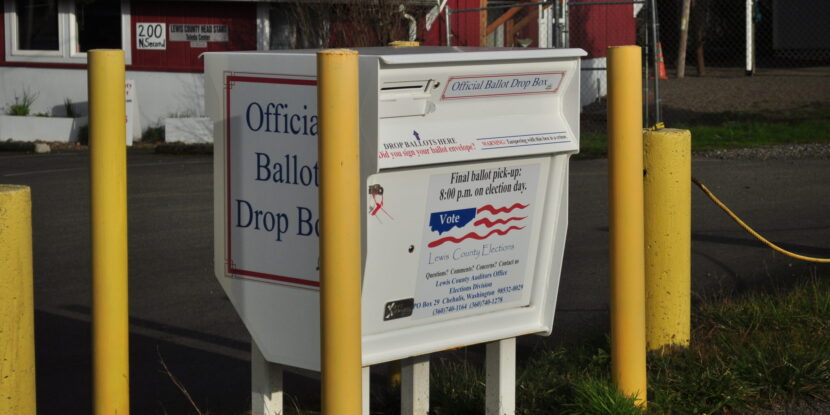
House Speaker Mike Johnson (R-LA) worked to secure enough Republican votes to push the deal through, despite opposition from some GOP lawmakers who were frustrated that the funding package did not include the Safeguard American Voter Eligibility (SAVE) Act. The SAVE Act, which requires proof of citizenship to vote, has passed the House but remains blocked in the Senate by the 60-vote filibuster rule.
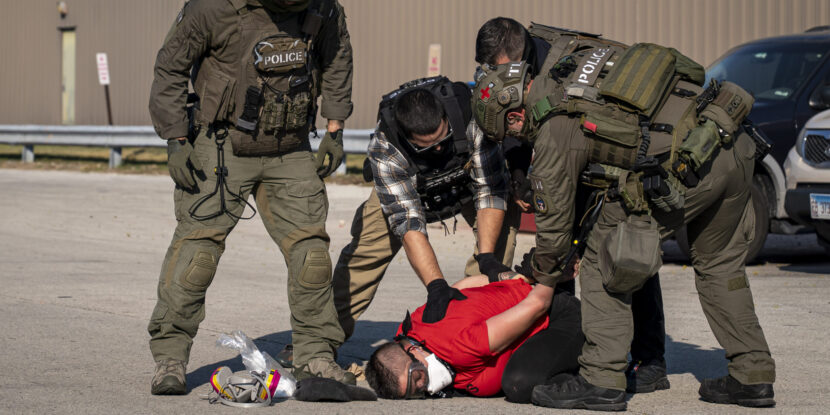
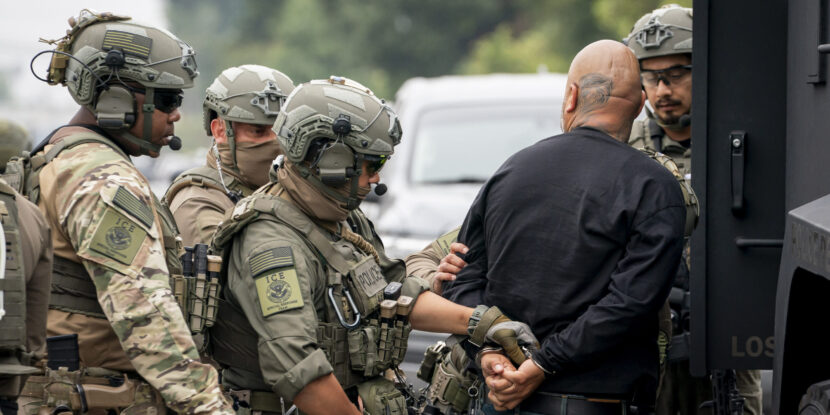
President Trump has been adamant about ending the shutdown as quickly as possible, urging House Republicans to send the funding package to his desk without changes. The shutdown, which began at midnight Saturday, has had minimal impact on federal operations compared to previous shutdowns. However, the funding lapse arose after Senate Democrats held up the appropriations bills in an attempt to shut down the Trump administration’s immigration enforcement actions.
The $1.2 trillion deal includes five appropriations bills and a two-week temporary extension of DHS funding. While Republicans have already funded key immigration enforcement agencies like U.S. Immigration and Customs Enforcement (ICE) and Customs and Border Protection (CBP), Democrats are pushing for reforms such as mandatory body cameras and stricter accountability measures for officers. Speaker Johnson warned that holding up the DHS appropriations bill could impact critical operations like FEMA disaster response and TSA airport security.
Join Pulse+ to comment below, and receive exclusive e-mail analyses.