

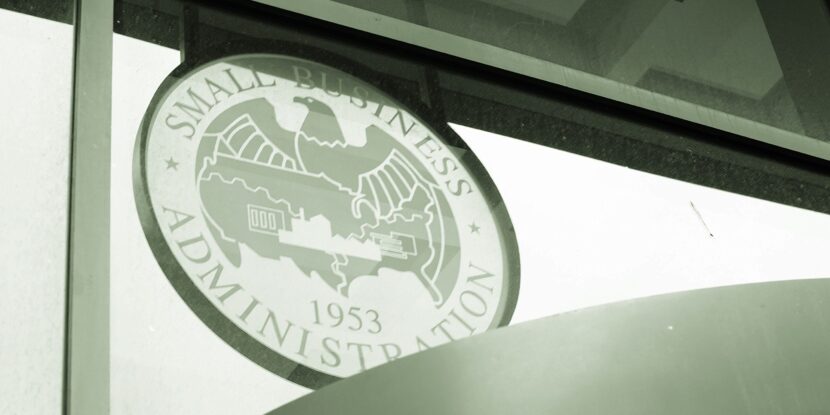
❓WHAT HAPPENED: The U.S. Small Business Administration (SBA) announced a new policy barring foreign nationals from accessing its loan services.
👤WHO WAS INVOLVED: SBA Administrator Kelly Loeffler and SBA loan program participants.
📍WHEN & WHERE: Announced Friday, policy to take effect 30 days after the announcement.
💬KEY QUOTE: “The Trump SBA is committed to driving economic growth and job creation for American citizens.” – Kelly Loeffler.
🎯IMPACT: The policy aims to prioritize American citizens in accessing limited SBA loan resources.
The Trump administration’s Small Business Administration (SBA) is implementing a new policy preventing foreign nationals and non-citizens from accessing its loan programs, part of a broader effort to direct federal resources toward American citizens and domestically owned businesses. “The Trump SBA is committed to driving economic growth and job creation for American citizens,” said SBA Administrator Kelly Loeffler last Friday.
The new rule applies to the agency’s Surety Bond and Microloan programs and expands earlier restrictions placed on the SBA’s major 504 and 7(a) loan programs. Those earlier changes barred businesses partially or wholly owned by foreign nationals from receiving SBA-backed financing.
The Surety Bond program helps small contractors obtain bonding required to compete for government contracts, while the Microloan program provides loans of up to $50,000 through third-party intermediaries to small businesses and startups.
“Last month, we made it clear that SBA would not allow foreign nationals to access our core small business loan programs—and today, we are expanding that policy to include all SBA-guaranteed loans,” Loeffler added.
Officials say the changes come as demand for small-business capital continues to rise, while the SBA’s lending authority remains limited. “The limited resource of SBA financing must prioritize American citizens who are building businesses and creating jobs here at home,” Loeffler said. The expanded policy will take effect 30 days after the announcement.
The tighter eligibility rules also arrive amid increased scrutiny over fraud in federally funded programs. Earlier this year, the federal government halted loans to roughly 7,000 borrowers in Minnesota after investigators flagged suspected fraud connected to pandemic-era assistance programs.
Federal officials have also raised broader concerns about the misuse of government benefits in the state. The U.S. Secretary of Housing and Urban Development (HUD) recently described Minnesota as “ground zero for fraud, which undermines American values,” citing several ongoing investigations.
Amid a separate federal investigation into fraud involving government aid programs, President Donald J. Trump has also argued that California may be “more corrupt than Minnesota,” pointing to additional allegations of large-scale misuse of taxpayer funds.
Join Pulse+ to comment below, and receive exclusive e-mail analyses.