




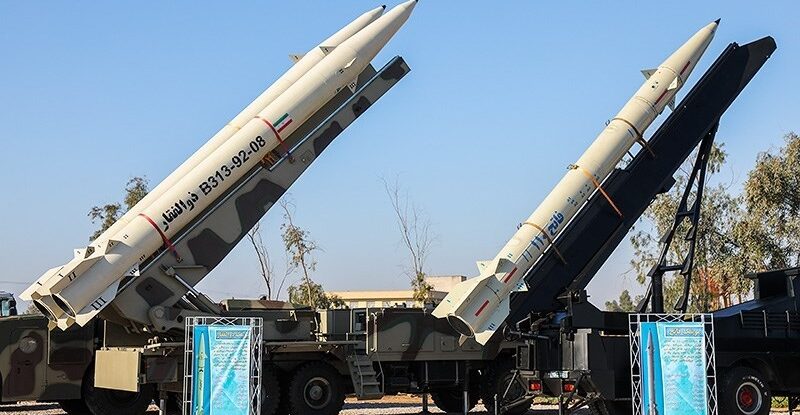
❓WHAT HAPPENED: Energy shortages are escalating across Asia and other regions due to disruptions caused by the ongoing conflict between the United States and Iran, which has impacted oil and gas supplies through the Strait of Hormuz.
👤WHO WAS INVOLVED: Governments in Asia, including Japan, South Korea, Vietnam, the Philippines, China, India, and Thailand.
📍WHEN & WHERE: The crisis has been unfolding since February 28, 2026, with significant impacts in Asia, particularly in nations reliant on energy imports through the Strait of Hormuz.
🎯IMPACT: Countries are rationing energy, releasing reserves, and grappling with rising costs, which are impacting households, businesses, and industrial production.
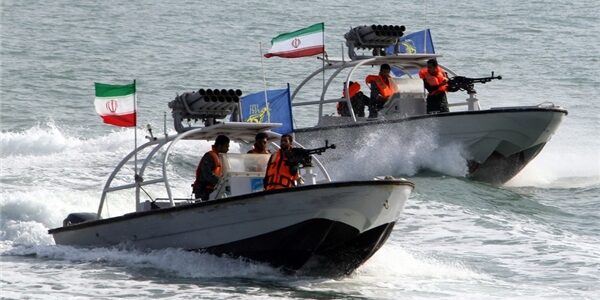
Asian nations are implementing extraordinary measures as the ongoing U.S.-Israeli military strikes against the Islamic Republic of Iran have disrupted global energy supply chains. Iranian attacks on oil and gas tanker vessels in the Persian Gulf and Strait of Hormuz have put a significant chokehold on an estimated 20 percent of worldwide petroleum shipments, with Asian markets being a primary destination for the tankers.
Over the last half-century, a number of Asian nations have built their economies on high-end, energy-intensive exports, especially in the technology sector. Countries like Vietnam, China, Taiwan, Japan, and South Korea are being hit especially hard by disruptions to oil tankers passing through the strait. In response to the energy supply crunch, these countries are implementing strict rationing measures.
In the Philippines, government officials have imposed a four-day workweek to cut electricity use and fuel consumption. Additionally, companies have been told their employees should shut off computers when not in use and keep the work area air conditioning set at 75 degrees Fahrenheit. Vietnam, meanwhile, is pressing refiners to work in overdrive to keep up supply, while Thailand is attempting to stretch its two-month fuel reserve well past its anticipated depletion date. Both Thailand and Vietnam have implemented emergency subsidies to shield most households from spiking energy costs in the short term.
East Asian nations like Japan and South Korea are steadily releasing emergency fuel reserves, with oil and gas being critical to their manufacturing and technology sectors. Notably, Japan appears inclined to shift away from reliance on Middle East natural gas, with the country’s Prime Minister Sanae Takaichi slated to meet with U.S. President Donald J. Trump later this month to discuss increasing Japan’s purchase of American liquefied natural gas (LNG). Japan is also moving to restart several of its nuclear reactors.
Asia’s two most populous nations, China and India, are being especially hit hard. India is focusing on keeping prices down for residential consumers, mainly through subsidies. China, however, which accounted for 80 to 90 percent of Iran’s oil sales, has been forced to increase its price cap on gasoline and diesel. The new cap marks the highest increase since 2022.
Join Pulse+ to comment below, and receive exclusive e-mail analyses.








.jpg)


_seized_a_ship_near_Iran%E2%80%99s_Bu_Musa_Island_in_the_Persian_Gulf,_which_was_smuggling_out_a_cargo_of_1.312_million_liters_of_subsidized_fuel..jpg)


