




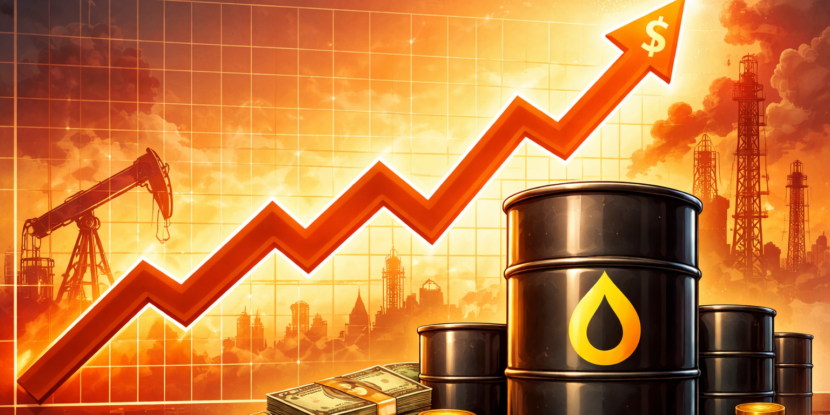
❓WHAT HAPPENED: Brent crude surged to nearly $120 a barrel amid escalating Middle East tensions, before retreating later in the morning.
👤WHO WAS INVOLVED: President Trump, Iran, Saudi Arabia, Israel, and QatarEnergy, among others.
📍WHEN & WHERE: Events unfolded Wednesday night into Thursday across the Middle East, including strikes in Iran and Saudi Arabia, and damage in Qatar.
💬KEY QUOTE: “The U.S. would destroy Iran’s South Pars gas field if Iran attacks Qatar.” – Donald Trump
🎯IMPACT: Global oil and gas prices surged, with Brent futures hitting $120 briefly, while U.S. gasoline prices spiked to $3.88 a gallon on average.
Brent crude oil prices spiked to nearly $120 a barrel on Thursday morning following the escalation of conflict in the Middle East. A drone struck a Saudi refinery, and President Trump issued a warning that the United States would destroy Iran’s South Pars gas field if Iran retaliated against Qatar.
By late morning, Brent futures retreated to $112, while West Texas Intermediate crude traded near $98. The price surge followed Israeli airstrikes on gas-processing and petrochemical facilities connected to South Pars, marking the first direct attack on Iran’s energy infrastructure in the ongoing conflict.
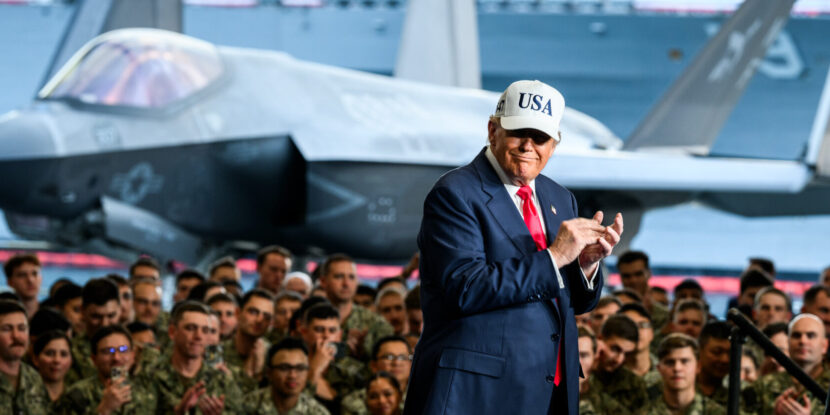
President Trump, distancing the U.S. from the Israeli strikes, stated on Truth Social that Washington had no prior knowledge of the attacks. However, he emphasized that the U.S. would act decisively against Iran if Qatar was targeted. In response, Iran launched missiles that caused significant damage to Qatar’s liquefied natural gas facilities, including fires at Ras Laffan Industrial City.
“I thought that it would go up more than it did, but we’re doing this excursion, and when it’s completed, we’re going to have a much safer world,” Trump said on Thursday afternoon.
Saudi Arabia’s defense ministry confirmed a drone strike on the Samref refinery, with damage assessments ongoing. Meanwhile, Dutch TTF natural gas futures surged 17 percent following the attacks in Qatar. The WTI-Brent price spread widened to nearly $20, reflecting greater perceived risks for international crude supplies.
U.S. gasoline prices followed the trend, with the national average reaching $3.88 per gallon on Thursday, a significant increase from the previous month. Treasury Secretary Scott Bessent suggested the administration might lift sanctions on Iranian oil already in transit or tap the strategic petroleum reserve to address the supply concerns.
Join Pulse+ to comment below and receive exclusive email analyses.













.jpg)


