❓WHAT HAPPENED: BlackRock CEO Larry Fink is warning that a prolonged conflict between the United States and the Islamic Republic of Iran could drive the price of oil to $150-a-barrel and trigger a “stark and steep recession.”
👤WHO WAS INVOLVED: BlackRock CEO Larry Fink, Shell plc CEO Wael Sawan, and U.S. and Iranian leaders.
📍WHEN & WHERE: March 25, 2026; Global impact with focus on Europe and the Middle East.
💬KEY QUOTE: Fink warns that Iran could force “years of above $100, closer to $150 oil, which has profound implications in the economy.”
🎯IMPACT: A prolonged conflict could result in fuel shortages in Europe, increased energy prices, and economic instability.
BlackRock CEO Larry Fink is warning that a prolonged conflict between the United States and the Islamic Republic of Iran could drive the price of oil to $150 a barrel and plunge the world into a “stark and steep recession.” The remarks come as U.S. military operations against the Islamist regime enter their twenty-fifth day, and amid weeks of energy and financial market volatility.
“Rising energy prices is a very regressive tax. It affects the poor more than the wealthy,” Fink notes, while further cautioning that Iran could force “years above $100, closer to $150 oil, which has profound implications in the economy.” The $150-a-barrel benchmark, according to the BlackRock CEO, is an important line to avoid crossing, as doing so would result in “a probably stark and steep recession.”
Still, Fink hedged on the situation in the Middle East, contending that should the war end soon and Iran be brought back into the international fold, the price of oil could drop to $70 a barrel or lower.
Meanwhile, Shell plc (the British parent company of Shell USA) CEO Wael Sawan claims Europe could face fuel shortages as early as next month if the Strait of Hormuz remains closed. The critical chokepoint in the Persian Gulf controls the flow of an estimated 20 percent of global oil and gas supply. “South Asia was first to get that brunt. That’s moved to south-east Asia, north-east Asia, and then more so into Europe as we get into April,” Sawan said.
Since the start of the conflict in late February, Brent Crude has surged to $120 a barrel on several occasions, though on average, the price has sat between $90 and $100 a barrel. However, the effective closure of the Strait of Hormuz by Iranian missile and drone strikes has also resulted in severe price spikes among other goods as well, including fertilizer and helium.
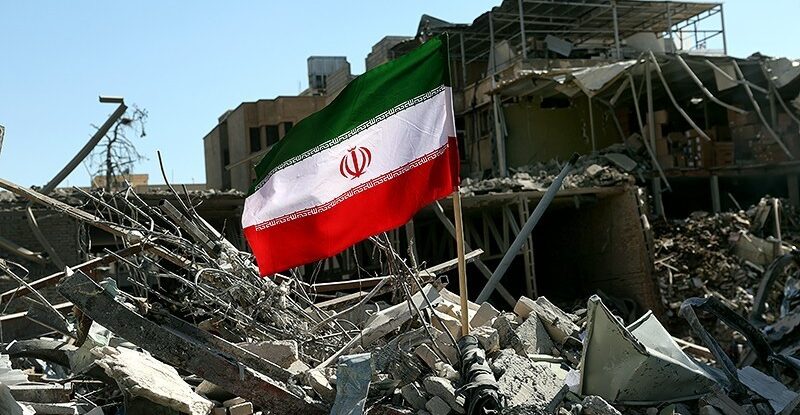
Image by Hossein Zohrevand/Tasnim News Agency.
Join Pulse+ to comment below, and receive exclusive e-mail analyses.