




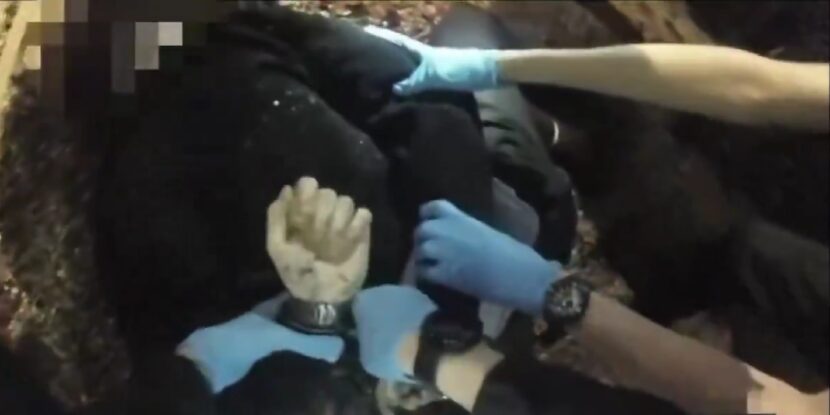
A coroner has confirmed an inquest will examine whether police actions or delays contributed to the death of 18-year-old white student Henry Nowak in Southampton, England.
| PULSE POINTS |
❓ WHAT HAPPENED: An inquest into the death of white student Henry Nowak has been announced and scheduled for September 2027. The 18-year-old Nowak was fatally stabbed by 23-year-old Vickrum Digwa with an eight-inch Sikh religious dagger. Digwa and his family called the police, falsely claiming Nowak had racially attacked him. Police roughly arrested the teenager upon arrival, dismissing his pleas for an ambulance and cries of “I’ve been stabbed” and “I can’t breathe.”Within moments of being pushed down and handcuffed, Nowak fell unconscious and never revived. The release of the bodycam footage has sparked concerns about anti-white ideology and two-tier policing. 💬 KEY QUOTE: “The issue in this case is likely to be whether any act or omission by a police officer or any delay in the treatment Henry Nowak received caused or contributed to death. An inquest will allow such scrutiny, it will be a public hearing on the broad circumstances by which Henry came by his death. Having an inquest will allow Henry’s family to effectively participate in those proceedings.” – Coroner Jason Pegg. 🎯 IMPACT: The case has drawn significant attention, national and international, public and political. The incident has raised concerns over police training as well as racial and ideological pressures. The inquest is expected to provide clarity on the role of law enforcement in the events leading to Nowak’s death. 📺 DETAIL: The inquest will determine whether “any act or omission” by the police contributed to Nowak’s death. Hampshire coroner Jason Pegg concluded that the circumstances surrounding Nowak’s death had not been fully investigated. As such, an inquest has been scheduled for 20 September 2027, with the possibility of bringing the date forward. This follows the argument put forward by a Home Office pathologist that Nowak would not have survived even if emergency care was administered. “No emergency medical treatment would have permitted access to the bleeding vein… In simple terms, he would not have survived, however quickly he received first aid, CPR or expert medical treatment,” said Judge William Mousley KC, relaying the pathologist’s conclusion during the sentencing hearing. Nevertheless, Pegg argued that the state had a “duty to carry out a public investigation.” “When Henry Nowak died, he had been arrested—he was in custody of the state. What that means is article two, or the right to life, the investigative duty has been triggered,” said Pegg. The inquest will take place at Winchester Coroner’s Court in Hampshire, England. |
Join Pulse+ to comment below, and receive exclusive e-mail analyses.










.jpg)


