




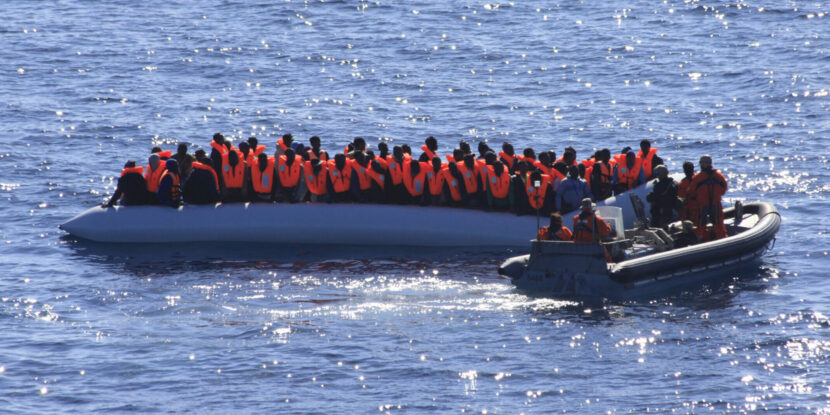
New Home Office data reveals a significant rise in asylum seekers “dispersed” into apartments and houses across Britain, igniting protests and legal challenges in affected communities.
| PULSE POINTS |
❓ WHAT HAPPENED: The number of asylum seekers housed in non-hotel accommodation across Britain has risen to more than 73,000, according to new figures covering the year to June 2026. The total represents a three percent increase from June 2025 and accounts for 78 percent of all asylum seekers in the country. Around 17 percent remain in taxpayer-funded hotels. 📺 DETAIL: Hotel accommodation numbers have nearly halved over the past year, as the ruling Labour Party moves asylum seekers into apartments and houses, including so-called houses in multiple occupation (HMOs), and former military sites. The government has pledged to eliminate asylum hotels by 2029, but voters unhappy with the status quo are unlikely to be appeased by migrants currently residing in hotels for free being moved into free homes instead. Home Secretary Shabana Mahmood, roughly equivalent to the U.S. Homeland Security Secretary, acknowledged that more action is needed to reduce small boat crossings and restore control over Britain’s borders. 💬 KEY QUOTE: “This Government have thrown us to the wolves. No one’s going to come and save us, no one’s coming to help us. We are having to fight back in a David and Goliath battle against this government because they’ve treated us appallingly.” – Marmaduke Devereaux-Astley, whose market town of Crowborough is facing an influx of over 400 migrants 🎯 IMPACT: The continued rise in asylum seekers being dispersed into communities nationwide by the government is likely to intensify political pressure on the Labour government over its migration policies. 📈 DATA: The total number of asylum claims dropped compared to the previous year, but remains above pre-2021 levels. Over half of asylum seekers arrived illegally, with small boat crossings accounting for nearly 90 percent of such entries. The most common nationalities include Eritrean, Sudanese, Afghan, Somali, and Iranian. |
Join Pulse+ to comment below, and receive exclusive e-mail analyses.







.jpg)
