




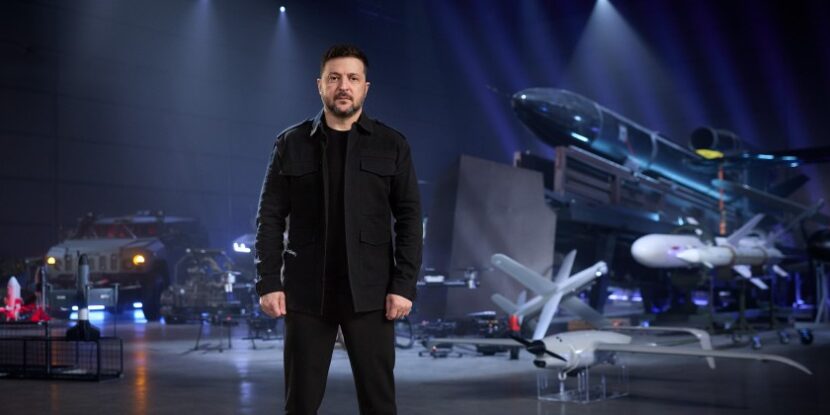
A Ukrainian drone strike on Russia’s Kursk Nuclear Power Plant underscores the continued targeting of critical energy infrastructure in Eastern Europe.
| PULSE POINTS |
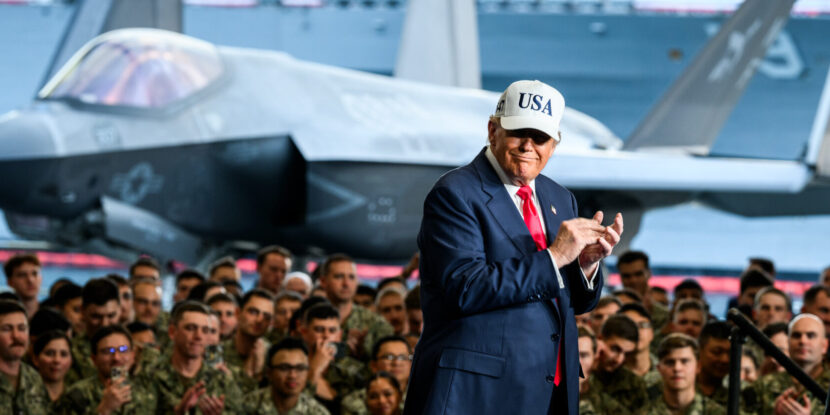
❓ WHAT HAPPENED: A Ukrainian drone struck the cooling tower of an operating reactor unit at Russia’s Kursk Nuclear Power Plant, despite earlier claims of an energy infrastructure truce by President Donald J. Trump. The International Atomic Energy Agency (IAEA) said the September 17 strike caused no fire and did not change the reactor’s operating mode, but Director General Rafael Grossi warned that attacks on nuclear facilities are unacceptable because of the potential consequences for nuclear safety and security. 📺 DETAIL: The incident follows Trump’s September 14 declaration that “Ukraine has agreed not to hit Russian Energy targets. Russia has agreed to do likewise!” He also argued that the rise in global diesel prices is primarily caused by the Ukraine war rather than the Iran war. Ukrainian President Volodymyr Zelensky said Kiev would reciprocate only if its allies could guarantee that Russia would also stop its strikes. Meanwhile, energy infrastructure has continued to face attacks amid the broader war, including strikes on Russian and Ukrainian facilities. The Kursk plant, located roughly 25 miles west of the city of Kursk, remains an important part of Russia’s electricity system. The IAEA has repeatedly stressed the need for maximum restraint around nuclear facilities as military activity continues. 💬 KEY QUOTE: “All attacks on nuclear facilities are unacceptable as they could endanger nuclear safety and security, irrespective of where they occur.” – Rafael Grossi, Director of the International Atomic Energy Agency 🎯 IMPACT: Although the IAEA reported no fire or change in the reactor’s operating status, the incident raises the stakes because military activity near nuclear facilities carries risks extending far beyond the immediate battlefield. |
Join Pulse+ to comment below, and receive exclusive e-mail analyses.









.jpg)


