




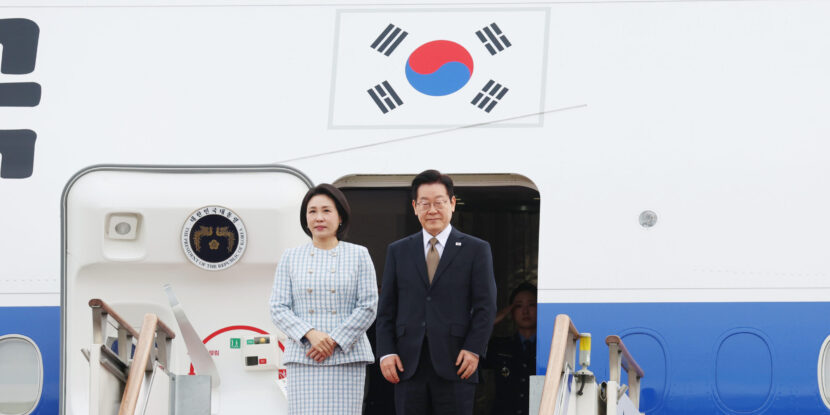
South Korea has decided against deploying military forces to the Middle East despite U.S. pressure, opting instead for limited measures to safeguard its own shipping interests.
| PULSE POINTS |
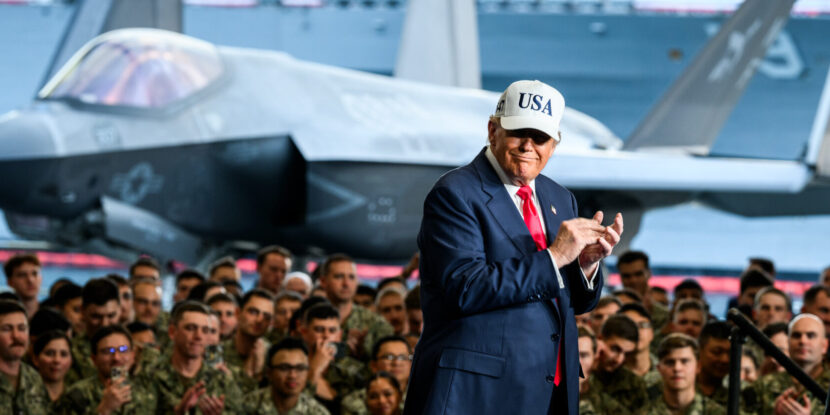
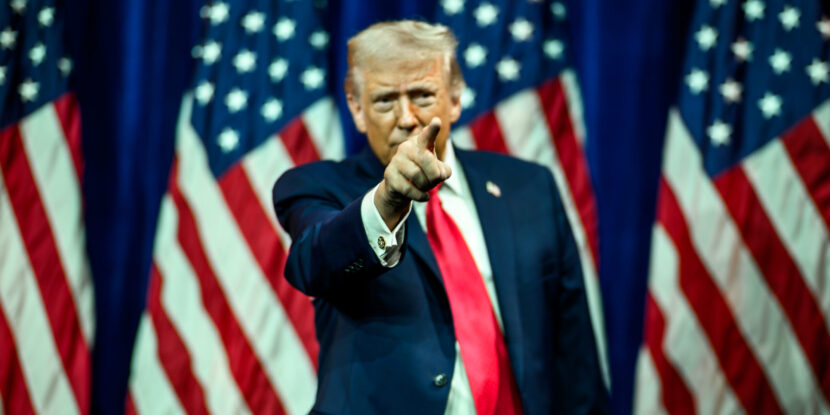
❓ WHAT HAPPENED: South Korean President Lee Jae Myung announced Friday that Seoul will not deploy military forces to the Middle East amid the war with Iran, despite a request from President Donald J. Trump for allies to help secure energy shipments through the Strait of Hormuz. Lee said there would be no deployment involving South Korean forces entering the war, declaring, “We won’t deploy military assets in any form to that end.” 📺 DETAIL: Seoul had been weighing its response for months, placing Lee’s government in a difficult position given South Korea’s longstanding military alliance with the United States and the role of American forces in deterring North Korea. Tehran had also warned earlier this month that foreign military participation in the Persian Gulf or Strait of Hormuz could bring “serious consequences.” The decision comes after Trump criticized Seoul for inadequate support for the Iran campaign and reportedly scaled back major U.S.-South Korean military exercises. Anti-war demonstrations have taken place outside the U.S. Embassy in Seoul, with protesters opposing any deployment of South Korean troops to the Middle East. 🎯 IMPACT: South Korea’s decision limits the Trump administration’s ability to build a broader international military effort around the Strait of Hormuz while avoiding direct South Korean involvement in the Iran conflict. The move could add strain to the U.S.-South Korean alliance as Seoul seeks to balance Washington’s demands with concerns about escalation, Iranian retaliation, and domestic opposition to deploying troops overseas. Lee did indicate that South Korea could undertake limited measures to protect commercial shipping, crude oil shipments, and its citizens in the region. |
Join Pulse+ to comment below, and receive exclusive e-mail analyses.








.jpg)


