





Thursday, April 2, 2026

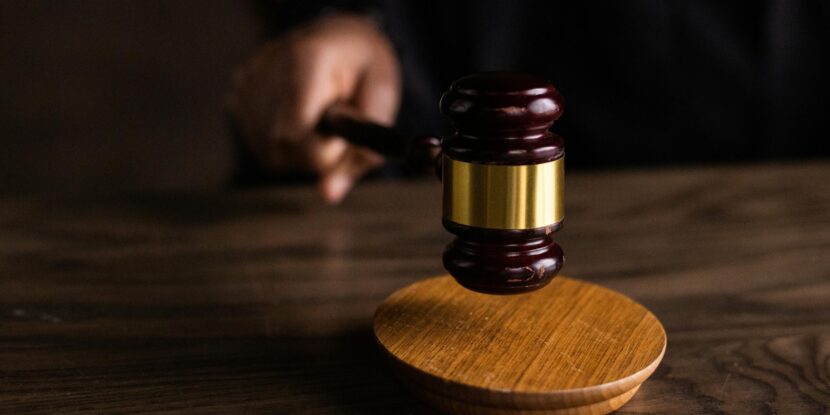
READ: Dissenting Judge Goes Nuclear in Texas Redistricting Case.

PULSE POINTS

WHAT HAPPENED: U.S. Circuit Court Judge Jerry Smith has posted his dissent in Tuesday’s federal case, which saw a three-judge panel halt Texas from implementing its newly approved congressional map for the 2026 midterm elections.

👤WHO WAS INVOLVED: U.S. Circuit Court Judges Jerry Smith and Jeffrey Brown, plaintiffs, and the State of Texas.

📍WHEN & WHERE: The ruling against Texas came down on Tuesday, with Judge Smith’s dissent posted online on Wednesday, November 19, 2025.

💬KEY QUOTE: “The main winners from Judge Brown’s opinion are George Soros and Gavin Newsom. The obvious losers are the People of Texas and the Rule of Law. I dissent.”

🎯IMPACT: While Judge Smith’s dissent will have little immediate impact, a number of the issues raised in the document could form the basis of the opinion being overturned by the U.S. Supreme Court.

IN FULL

U.S. Circuit Court Judge Jerry Smith has posted his dissent in Tuesday’s federal case, which saw a three-judge panel halt Texas from implementing its newly approved congressional map for the 2026 midterm elections. The majority, led by Trump-appointee Judge Jeffrey Brown, found supposedly compelling evidence that the redrawn districts amount to racial gerrymandering.

However, in his dissent, fellow appellate judge Jerry Smith takes Brown and his colleagues to task over their ruling and their reliance on testimony from supposed experts who are allegedly bought and paid for by George and Alex Soros. “I append this Preliminary Statement to dispel any suspicion that I’m responsible for any delay in issuing the preliminary injunction or that I am or saw slow-walking the ruling. I also need to highlight the pernicious judicial misbehavior of U.S. District Judge Jeffrey Vincent Brown.” Judge Smith begins his dissent, before plunging headlong into a 160-plus page scathing critique of both the panel’s jurisprudence and Judge Brown’s behavior.

“The main winners from Judge Brown’s opinion are George Soros and Gavin Newsom. The obvious losers are the People of Texas and the Rule of Law. I dissent,” the conservative appellate judge writes, continuing: “One of the plaintiffs’ top experts is Matt Barreto. He is a paid Soros operative and does not attempt to hide it. His CV confirms it. He expects to receive $2.5 million from George and Alexander Soros.” Judge Smith adds, “Soros has been pumping money into Barreto’s UCLA Voting Rights Project for years. And this steady supply of money won’t stop until 2026, at the earliest. Unsurprisingly, Barreto has been on quite a road show for years, parading across the country opposing Republican redistricting. That is the tip of the iceberg. The lawyers are involved as well.”

“To his credit, the lead counsel for plaintiffs does not try to hide it, either. Chad Dunn acknowledged so in open court—he works with Barreto at the same Voting Rights Project that receives Soros funding,” Judge Smith notes, before moving on to Mark Elias’s involvement: “It does not stop there. The Elias Law Group draws from the Soros coffers, too. Counsel for the instant Gonzales plaintiffs, David Fox, is a partner at Elias, which ‘has collected more than $104 million’ from Democrat Party committees and donors, including Mr. Soros. Firm Chair Marc Elias formed entities, ‘tucked inside large existing nonprofits,” that “raised tens of millions of dollars from some of the richest donors on the left—including from foundations funded by Mr. Soros.'”

“On a silver platter, Judge Brown hands Soros a victory at the expense of the People of Texas and the Rule of Law. Judge Brown won’t tell you that. I just did,” Judge Smith states. The entire dissent is worth reading, albeit it is, as Judge Smith admits, very long.

Image by Karin Bolovtsova.

Join Pulse+ to comment below, and receive exclusive e-mail analyses.

show less
show more
ken paxton acquitted

Texas AG Paxton Files Lawsuit Against Nonprofit for Illegally Registering Immigrants to Vote.

PULSE POINTS

WHAT HAPPENED: Texas Attorney General Ken Paxton (R) filed a lawsuit against JOLT Initiative, Inc., alleging unlawful voter registration practices involving illegal immigrants.

👤WHO WAS INVOLVED: Texas Attorney General Ken Paxton, JOLT Initiative, Inc., and its Executive Director Jackie Bastard.

📍WHEN & WHERE: The lawsuit was announced on Monday in Texas.

💬KEY QUOTE: “The left constantly tries to cheat and rig elections because they know they can’t win honestly. Any organization attempting to register illegals, who are all criminals, must be completely crushed and shut down immediately.” – Ken Paxton

🎯IMPACT: Paxton seeks to dissolve JOLT’s charter, revoke its corporate privileges, and have the group cover legal costs, while JOLT is vowing to fight the case.

IN FULL

Texas Attorney General Ken Paxton (R) has announced his office is suing JOLT Initiative, Inc., a nonprofit organization accused of orchestrating illegal voter registration efforts. The lawsuit alleges that JOLT engaged in activities designed to undermine election integrity in Texas by registering illegal immigrants to vote.

According to the attorney general’s office, JOLT operatives stationed outside Texas Department of Motor Vehicles locations provided instructions that violated state election laws. The group’s volunteer deputy registrars allegedly solicited people to submit unlawful voter registration applications, potentially enabling illegal immigrants without proper identification to register.

“The left constantly tries to cheat and rig elections because they know they can’t win honestly. Any organization attempting to register illegals, who are all criminals, must be completely crushed and shut down immediately,” Paxton said in a statement, adding: “JOLT is a radical, partisan operation that has, and continues to, knowingly attempt to corrupt our voter rolls and weaken the voice of lawful Texas voters. I will make sure they face the full force of the law.”

Paxton’s lawsuit seeks to have JOLT forfeit its corporate privileges, dissolve its charter, and pay the state’s legal fees. In response, JOLT described the lawsuit as “unconstitutional” and vowed to fight back. Executive Director Jackie Bastard stated, “The Attorney General is abusing his authority by using the state’s legal tool of dissolution, an extreme measure, against JOLT simply because we are effective at registering Latino voters.”

JOLT has filed a motion requesting the court to either dismiss the case or transfer it to Houston, where the organization has offices.

Join Pulse+ to comment below, and receive exclusive e-mail analyses.
show less
show more

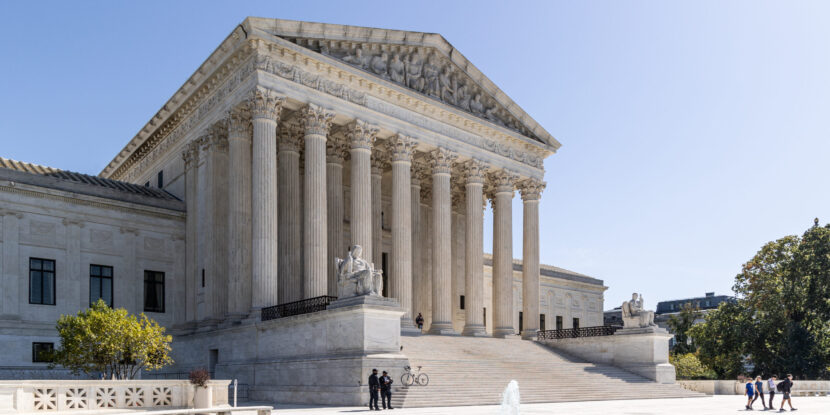
Supreme Court to Rule on Legality of Late Mail-In Ballots.

PULSE POINTS

WHAT HAPPENED: The U.S. Supreme Court has agreed to hear a case concerning the legality of accepting mail-in ballots that arrive after Election Day.

👤WHO WAS INVOLVED: The case, Watson v. Republican National Committee, challenges Mississippi’s mail-in ballot law, with arguments from state election officials and the Republican National Committee (RNC).

📍WHEN & WHERE: The case arises from Mississippi and will be heard by the U.S. Supreme Court following a reversal by the Fifth Circuit Court of Appeals.

💬KEY QUOTE: “The election has then occurred, even if election officials do not receive all ballots by that day.” – State of Mississippi’s petition to the Supreme Court

🎯IMPACT: The court’s decision could set a national precedent on how mail-in ballots are handled and affect voting policies in several states.

IN FULL

The U.S. Supreme Court has announced it will hear Watson v. Republican National Committee, a case challenging Mississippi‘s law allowing mail-in ballots to be counted if they are received within five business days after Election Day, provided they were postmarked by Election Day.

Mississippi election officials argue that a vote is cast when a ballot is postmarked, regardless of when it is received. “The election has then occurred, even if election officials do not receive all ballots by that day,” the state said in its petition. However, the Fifth Circuit Court of Appeals ruled that federal law mandates elections occur on a single day, and allowing late-arriving ballots undermines this principle.

Sixteen states, along with Washington, D.C., Guam, and Puerto Rico, currently allow mail-in ballots postmarked by Election Day to be counted even if they arrive after Election Day. This policy aims to accommodate voters affected by slow mail delivery. A federal judge initially upheld Mississippi’s law, but the Fifth Circuit Court of Appeals reversed the decision.

Another case, Bost v. Illinois, is also under consideration by the court. It challenges Illinois‘ practice of counting ballots received up to two weeks after Election Day. Mississippi has requested that the court delay its ruling on Watson until the Illinois case is decided.

Additionally, the Supreme Court is hearing a challenge to Section 2 of the Voting Rights Act, which could limit the scope of the landmark law.

Image by Billy Wilson.

Join Pulse+ to comment below, and receive exclusive e-mail analyses.
show less
show more

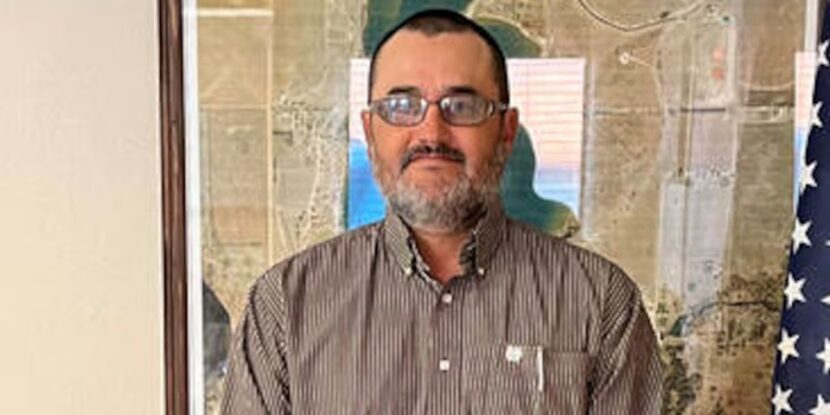
Migrant Mayor Faces Charges for Voting Illegally.

PULSE POINTS

WHAT HAPPENED: A non-citizen Kansas mayor has been charged with voting unlawfully in multiple elections.

👤WHO WAS INVOLVED: Coldwater Mayor Joe Ceballos, Kansas Secretary of State Scott Schwab, and Attorney General Kris Kobach.

📍WHEN & WHERE: Charges were filed in Comanche County for alleged voting violations in 2022, 2023, and 2024. Ceballos’s first court appearance is scheduled for December 3.

💬KEY QUOTE: “Noncitizen voting is a real problem. It is not something that happens once in a decade. It is something that happens fairly frequently.” – Kris Kobach

🎯IMPACT: The case highlights concerns over the integrity of elections, with foreign nationals able to vote in them due to inadequate safeguards despite a legal ban.

IN FULL

Kansas Republican Secretary of State Scott Schwab and Attorney General Kris Kobach have filed six charges against Coldwater Mayor Joe Ceballos, a legal permanent resident from Mexico, accusing him of illegally voting as a non-citizen in elections in 2022, 2023, and 2024. The charges, brought in Comanche County, involve perjury and casting ballots without eligibility, with a possible prison term exceeding five years.

Ceballos, a former city council member, was reelected on Tuesday, although this is currently uncertified. Kobach pointed out that city officials must be U.S. citizens by law—although failing to meet that criterion isn’t a crime itself—meaning he will likely be removed from office.

“In large part, our system right now is based on trust. Trust that when the person signed the registration or signs the pollbooks saying that he’s a qualified elector or that he is a United States citizen, that the person is telling the truth,” Kobach stressed, adding: “In this case, we allege that Mr. Ceballos violated that trust.”

He emphasized that non-citizen voting, despite being legally banned, is a recurring problem due to a lack of safeguards being in place to detect it. “It is not something that happens once in a decade. It is something that happens fairly frequently,” he said. The National Pulse has previously reported on academic research suggesting that non-citizens, who tend to favor the Democrats, vote on a large enough scale to swing elections, “likely [giving] Senate Democrats the pivotal 60th vote needed to overcome filibusters in order to pass health care reform and other Obama administration priorities in the 111th Congress,” for instance.

Kansas is now cross-referencing voter lists with a federal immigration database, anticipating it will reveal more such violations. “We now have tools, thanks to the current White House, that we haven’t had in over 10 years… we can check through the SAVE program, to find out if folks end up on our voter rolls,” Schwab said.

Join Pulse+ to comment below, and receive exclusive e-mail analyses.
show less
show more

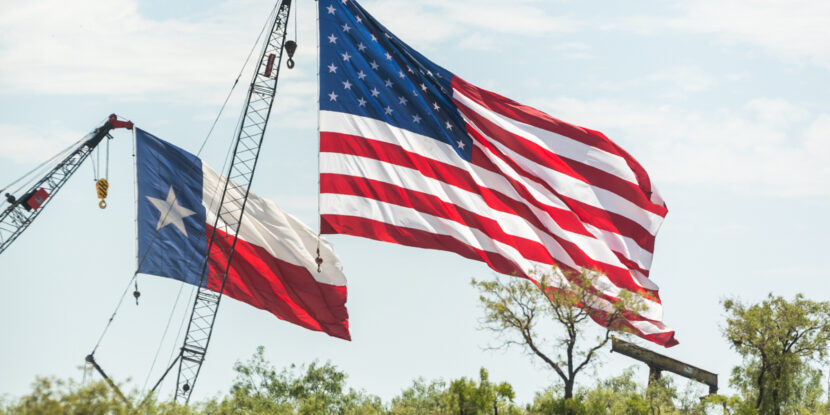
Texas Passes Explicit Constitutional Ban on Noncitizen Voting.

PULSE POINTS

WHAT HAPPENED: Texans approved a constitutional amendment to prohibit non-U.S. citizens from voting in the state.

👤WHO WAS INVOLVED: Texas voters, Governor Greg Abbott (R), and state legislators.

📍WHEN & WHERE: The vote took place in Texas during the most recent election period.

💬KEY QUOTE: “It is now in our Constitution that only U.S. citizens can vote in Texas elections,” said Governor Abbott.

🎯IMPACT: The amendment reinforces existing state and federal laws barring non-citizens from voting.

IN FULL

Texas voters have overwhelmingly approved a constitutional amendment that explicitly bans non-U.S. citizens from voting in state elections. The proposal, linked to Senate Joint Resolution 37, passed with nearly 72 percent support, according to unofficial results. The measure adds language to the state constitution stating that “persons who are not citizens of the United States” are among those prohibited from voting in Texas elections.

Texas law already requires U.S. citizenship to register to vote, and federal law bars non-citizens from voting in federal contests, including presidential and congressional races. However, supporters of the amendment said the change ensures the restriction is permanently enshrined in the state’s highest legal document. Governor Greg Abbott (R) celebrated the outcome on X, writing, “It is now in our Constitution that only U.S. citizens can vote in Texas elections.”

The amendment’s passage comes amid heightened scrutiny of voter eligibility across the state. In recent years, Texas officials have taken a series of steps to tighten election security and remove ineligible voters from state rolls. In 2024, the state reported removing roughly one million ineligible names from the voter database, including more than 6,500 flagged as non-citizens. State officials have also referred dozens of alleged cases of non-citizen voting from the 2024 general election to the Texas Attorney General’s office for further investigation.

These actions follow a broader national debate over election integrity and the extent to which non-citizen voting may occur in local or state elections. Supporters of the amendment argue that clear constitutional language helps prevent future confusion and strengthens public trust in elections.

The Texas initiative aligns with a broader push in several Republican-led states to reaffirm or expand constitutional prohibitions on non-citizen voting. Lawmakers and advocacy groups in states including Florida, Ohio, and Wisconsin have advanced similar proposals in recent years.

Texas has also drawn attention for its efforts to maintain clean voter rolls. State election officials have cited data-sharing programs and verification systems designed to identify and remove ineligible voters.

Join Pulse+ to comment below, and receive exclusive e-mail analyses.
show less
show more

Dems Caught ‘Rigging’ House Primary.

PULSE POINTS

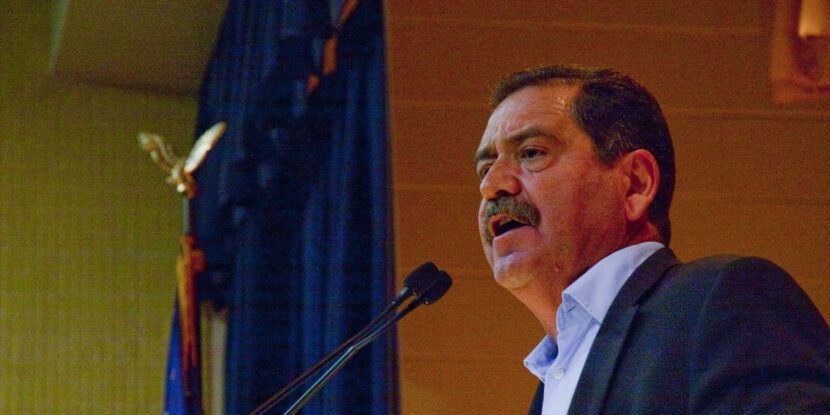
WHAT HAPPENED: Representative Jesús “Chuy” García (D-IL) is not expected to continue his reelection bid for Illinois’ 4th Congressional District, leaving his chief of staff as the only other Democrat positioned on the ballot.

👤WHO WAS INVOLVED: Rep. Jesús “Chuy” García, his chief of staff Patty Garcia, Republican Lupe Castillo, and Working Class Party candidate Ed Hershey.

📍WHEN & WHERE: Illinois’ 4th Congressional District; nominating petitions were filed by the October 30, 2025, deadline.

💬KEY QUOTE: “I think some of it is xenophobia,” García said last month when addressing concerns about former President Joe Biden’s policies affecting cities like Chicago.

🎯IMPACT: If García withdraws, Patty Garcia would be the only Democrat on the ballot in a heavily blue district, sparking criticisms of a “coronation” rather than a genuine open primary process.

IN FULL

Representative Jesús “Chuy” García (D-IL) appears to have colluded with his chief of staff and hand-picked successor, Patty Garcia, to prevent her from having to face any significant primary challenge. García is accused of announcing his re-election with no intention of actually seeing through the bid, instead allowing his anticipated campaign to clear the field for his chief of staff to file her own candidacy at the filing deadline. The maneuver has effectively closed off the primary field to any other Democrat candidates, and with García’s expected retirement, Patty Garcia will be the only candidate on the party’s primary ballot.

Patty Garcia filed her completed petitions to run in the Westside Chicago district at 5:00 PM on October 30, the deadline for entry. Meanwhile, her boss, Rep. García, had filed his own ballot petitions earlier this year—which effectively discouraged any potential candidates for the seat, especially those who would run in an open race. However, it is now being widely reported that Chuy García intends to withdraw his name from the primary contest and retire.

By pulling his petitions, Rep. Chuy García would effectively leave Patty Garcia, who is reportedly not a relative, as the only Democrat on the ballot in the 4th Congressional District. Critics are likening the decision to classic Chicago Democrat machine politics—depriving primary voters of any real choice on who should succeed the 69-year-old Democrat congressman. Patty Garcia will face off in the general election against Republican Lupe Castillo and Working Class Party candidate Ed Hershey, both of whom Chuy García easily defeated in the 2024 race.

 García’s alignment with radical priorities has been documented extensively, including his involvement in a George Soros-linked “abolish ICE” initiative and his proposals to allow illegal immigrants to vote in certain Chicago elections. Patty Garcia, who became chief of staff in 2023 after serving as district director since 2019, has prior experience in candidate training programs for Latino and black policymakers.

Image by Charles Edward Miller.

Join Pulse+ to comment below, and receive exclusive e-mail analyses.
show less
show more

Bomb Threats Disrupt Voting at Multiple Polling Stations.

PULSE POINTS

WHAT HAPPENED: Bomb threats were made at schools and polling locations across New Jersey, prompting closures and relocations.

👤WHO WAS INVOLVED: New Jersey voters, law enforcement, and state officials, including Attorney General Matthew Platkin (D).

📍WHEN & WHERE: Tuesday in New Jersey, across at least seven counties, including Bergen, Essex, Mercer, Middlesex, Monmouth, Ocean, and Passaic.

💬KEY QUOTE: “Voters should continue to have confidence that they can cast their ballot without fear of intimidation, and we will continue to work tirelessly to ensure a free, fair, and secure election.” – Matthew Platkin

🎯IMPACT: Temporary closures and relocations of polling stations, with law enforcement ensuring voter safety.

IN FULL

Several schools and polling places across New Jersey were disrupted by bomb threats during today’s gubernatorial elections, forcing temporary closures and relocations in at least seven counties, including Bergen, Essex, Mercer, Middlesex, Monmouth, Ocean, and Passaic. Other polling places across the state remain unaffected.

In Paterson, School 2 and School 10 were closed after threats were received. Hackensack High School was also targeted, prompting a K9 sweep before reopening around 7:30 AM. Ridgewood authorities reported a threat at Somerville Elementary School, leading to the closure of the district’s public schools for the day, though voting continued at the building. In Middlesex County, Avanel Middle School was shut down due to what officials described as an “active law enforcement investigation,” and voters were redirected to Woodbine Avenue Elementary School. Lake Como and Passaic also reported similar incidents, with Passaic Mayor Hector Lora confirming threats in his city.

Despite the disruptions, other polling locations across the state continued to operate as scheduled. Authorities quickly secured affected sites, allowing some to reopen once law enforcement determined they were safe. New Jersey Attorney General Matthew Platkin urged residents to remain confident in the state’s election process, saying, “Voters should continue to have confidence that they can cast their ballot without fear of intimidation, and we will continue to work tirelessly to ensure a free, fair, and secure election. Make no mistake: We will not tolerate any attempts to interfere with our elections, and we will swiftly hold accountable anyone who seeks to interfere with the safety or security of our electoral process.”

Concerns about election security have also surfaced in other states. Last year in Arizona, a Democrat election worker in Maricopa County was arrested after allegedly stealing a security fob and keys used for ballot tabulation machines. County officials said all equipment connected to the incident was immediately reprogrammed and retested to ensure the integrity of the elections.

Join Pulse+ to comment below, and receive exclusive e-mail analyses.
show less
show more

Thousands of Potential Noncitizens Found on Texas Voter Rolls.

PULSE POINTS

WHAT HAPPENED: The Texas Secretary of State’s office identified 2,724 people on voter rolls who may not be U.S. citizens, following a cross-check with the federal Systematic Alien Verification for Entitlements (SAVE) program.

👤WHO WAS INVOLVED: Texas Secretary of State Jane Nelson and county election officials, utilizing data from the federal Department of Homeland Security (DHS) SAVE program.

📍WHEN & WHERE: Texas, with a press release issued on Monday, covering all 254 counties in the state.

💬KEY QUOTE: “We appreciate the partnership with the federal government to verify the citizenship of those on our voter rolls and maintain accurate voter lists.” – Jane Nelson

🎯IMPACT: County election officials will notify flagged voters, with a 30-day period to verify citizenship before potential removal from voter rolls.

IN FULL

The office of Texas Secretary of State Jane Nelson has pinpointed 2,724 possible noncitizens listed on the state’s voter registration database, following a cross-check with the federal Systematic Alien Verification for Entitlements (SAVE) system. This initiative, supported by the Trump administration’s broadened access to federal records, represents a key advancement in ensuring accurate voter rolls.

Secretary of State Jane Nelson remarked: “We appreciate the partnership with the federal government to verify the citizenship of those on our voter rolls and maintain accurate voter lists.” The process involved scrutinizing 18 million voter records against SAVE’s citizenship information, highlighting cases for additional checks. These potential cases are distributed throughout Texas counties, with the highest concentrations in Harris (362), Dallas (277), Bexar (201), and El Paso (165).

Local county election authorities are now alerting those flagged and offering a 30-day period to confirm their citizenship. Voters who fail to submit evidence could see their registrations suspended temporarily, with the option for restoration once eligibility is validated. Federal election laws bar noncitizens from casting votes.

A Department of Homeland Security representative commented, “Illegal aliens have exploited outdated systems to defraud Americans and taint our elections. This revamped SAVE system will ensure government officials can swiftly verify legal status, halting entitlements and voter fraud.”

The examination encompassed all 254 Texas counties, assigning election officials the duty of in-depth probes to guarantee that only qualified voters stay listed. Secretary Nelson stressed, “Everyone’s right to vote is sacred and must be protected. The SAVE database has proven to be a critically important data set and one of many that we will continue to use in Texas to ensure that only qualified voters cast a ballot in our elections.”

Image by Lorie Shaull.

Join Pulse+ to comment below, and receive exclusive e-mail analyses.
show less
show more

Smartmatic Charged with Money Laundering, Bribing Election Officials.

PULSE POINTS

WHAT HAPPENED: Federal prosecutors charged Smartmatic with money laundering and bribing Philippine election officials.

👤WHO WAS INVOLVED: Smartmatic, co-founder Roger Piñate, and Philippine election official Juan Andrés Donato Bautista.

📍WHEN & WHERE: Payments were made between 2015 and 2018, related to the 2016 Philippine presidential election.

🎯IMPACT: Raises questions about election integrity and corporate influence.

IN FULL

On Thursday, federal prosecutors charged Smartmatic, a controversial voting technology company, with money laundering and bribing Philippine election officials with $1 million. The allegations relate to payments Smartmatic allegedly made to win a contract with the Philippine government for managing the 2016 presidential election and to ensure prompt payment for its services. These transactions reportedly took place between 2015 and 2018.

In 2024, three former Smartmatic executives, including co-founder Roger Piñate, faced charges, though the company itself was not initially named as a defendant. Prosecutors also claim Piñate bribed a high-ranking Venezuelan election official with a luxury home in Caracas in exchange for political favors.

In the Philippines, Piñate faces charges in a $1 million bribery scheme involving overpriced voting machines, with the surplus funds allegedly channeled into secret accounts to bribe election official Juan Andrés Donato Bautista.

Smartmatic has sued multiple American news outlets for their reporting on allegations that its voting machines were used improperly during the 2020 elections, with Democrat megadonor and Epstein Island visitor Reid Hoffman funding the lawsuits. Previously, liberal plutocrat George Soros recruited a Smartmatic chairman to serve as president of his Open Society Foundations organization.

Image by Patrickroque01.

Join Pulse+ to comment below, and receive exclusive e-mail analyses.
show less
show more

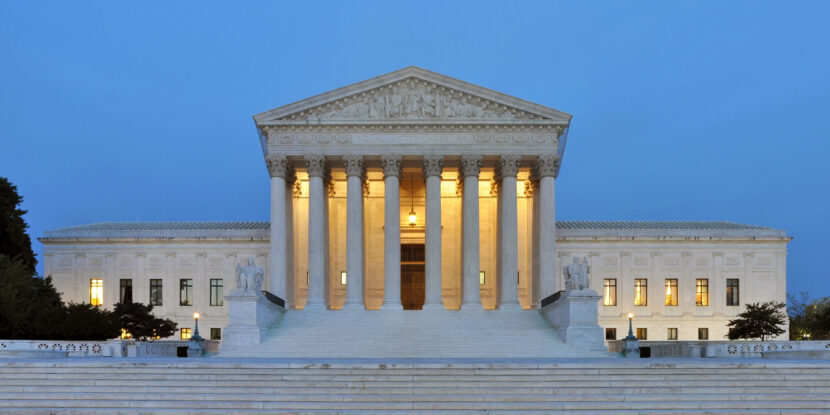
Could the Supreme Court Kill the Voting Rights Act’s Discriminatory Section 2?

PULSE POINTS

WHAT HAPPENED: The United States Supreme Court heard arguments on Wednesday in Louisiana v. Callais, a potential landmark Voting Rights Act (VRA) case.

👤WHO WAS INVOLVED: Louisiana, the United States Supreme Court, lower federal courts, black voters, and Democratic Party-aligned advocacy groups.

📍WHEN & WHERE: Wednesday, October 15, 2025, at the U.S. Supreme Court in Washington, D.C.

🎯IMPACT: If successful, Louisiana v. Callais could see Section 2 of the VRA either diluted in terms of its scope of enforcement or declared unconstitutional altogether.

IN FULL

The United States Supreme Court heard arguments on Wednesday in Louisiana v. Callais, a potential landmark Voting Rights Act (VRA) case. Louisiana claims that its forced compliance with Section 2 of the VRA—a permanent, nationwide provision that bans voting practices or procedures that discriminate based on race, color, or language minority status—by federal courts resulting in a remedial congressional map is unconstitutional under the 14th and 15th Amendments.

Black voters and Democratic Party-aligned advocacy groups contend that a 2022 congressional map unlawfully dilutes black voting power by packing most black voters into one district (the 2nd Congressional District) while spreading the rest thinly across others, failing to create a second majority-minority district in the state where black residents comprise about 33 percent of the population. A three-judge federal panel agreed, ruling the map violated the VRA and the 14th Amendment’s Equal Protection Clause, and ordered a remedial map that created a second black-majority district—which critics argue lacks cogerence because of the geographic distribution of black voters.

Louisiana argues that the three-judge appellate panel’s order to create a second majority-minority district is forcing the state to engage in intentional stereotyping and race-based gerrymandering. Further, Louisiana contends that a race-based remedy should only be in response to intentional race-based discrimination.

Notably, Louisiana v. Callais seeks to circumvent pitfalls faced by Alabama’s challenge to the VRA in Allen v. Milligan. On June 8, 2023—in a 5–4 ruling—the Supreme Court ruled that Alabama likely violated the VRA, and upheld a lower court order that forced Alabama to create an additional majority-minority congressional district.

Additionally, the state contends in a previous case, Robinson v. Ardoin, that plaintiffs could only show that a remedial map creates a new Democratic majority district, but not necessarily a majority black voter district. This 1986 case, Louisiana argues, misapplies Thornburg v. Gingles—which set the standard for proving vote dilution claims under Section 2. The state said it believes that Gingles, as implemented in Robinson, creates constitutional problems as it subordinates neutral principles to race-based standards in redistricting.

If successful, Louisiana v. Callais could see Section 2 of the VRA either diluted in terms of its scope of enforcement or declared unconstitutional altogether. However, during Wednesday’s oral arguments, the high court’s liberal wing, along with Justice Amy Coney Barrett, appeared fairly unconvinced of the argument that Section 2 is unconstitutional, suggesting another narrow and limited decision is likely.

Image by Joe Ravi.

Join Pulse+ to comment below, and receive exclusive e-mail analyses.

show less
show more