




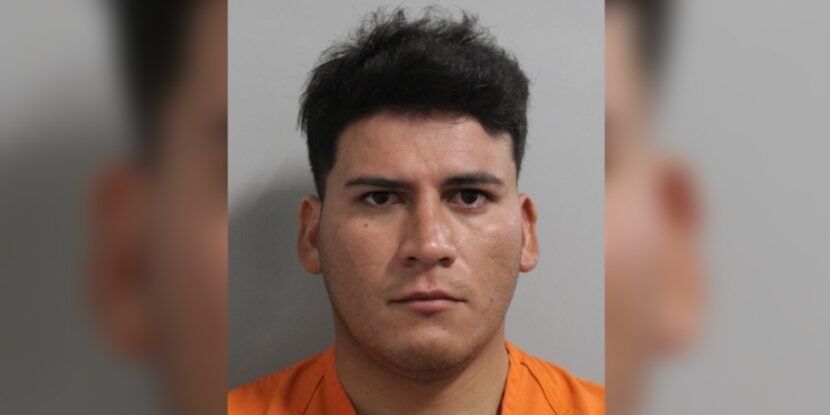
A 24-year-old illegal immigrant from Honduras faces multiple charges after allegedly committing a violent sexual assault on an elderly woman in Polk County, Florida.
| PULSE POINTS |
❓ WHAT HAPPENED: A 24-year-old illegal immigrant from Honduras, Axel Antonio Espinal Herrera, has been arrested in Polk County, Florida, for allegedly breaking into a home and committing a violent sexual assault on a 77-year-old woman. The attack occurred in the early hours of Saturday morning, with the suspect reportedly choking, slapping, and dragging the victim back into the house when she attempted to escape. 📺 DETAIL: The victim awoke to find Herrera in her bedroom, where he forcibly removed her clothing and committed the assault. Detectives later found Herrera in a nearby home with two other illegal immigrants, where he was identified by the victim’s description and evidence, including scratches on his body and clothing matching the victim’s account. Cocaine and drug paraphernalia were also discovered in his possession. 💬 KEY QUOTE: “He was a young man, 24 years of age, sexually battering a 77-year-old woman after he broke into her house in the middle of the night. Do I need to say more?” – Polk County Sheriff Grady Judd 🎯 IMPACT: Herrera faces multiple charges, including sexual battery, kidnapping, and burglary, with all charges elevated under Florida law due to his illegal immigration status. He could face multiple life sentences if convicted. The case has reignited concerns over illegal immigration and public safety, with Sheriff Judd emphasizing the crime would not have occurred if Herrera had not been in the country illegally. 📺 FLASHBACK: This case follows a pattern of high-profile crimes involving illegal immigrants, raising questions about the need for a redoubled focus on federal immigration enforcement at the federal level. |
#BREAKING Polk deputies capture violent rapist illegally in the country from Honduras hours after he breaks into elderly victim's home and sexually batters her
The 77-year-old victim was awakened at around 4 am, Saturday, August 29, 2026, after she heard a noise. The unknown man… pic.twitter.com/W5aF9wdrlg
— Polk County Sheriff 🚔 Grady Judd (@PolkCoSheriff) August 31, 2026
Join Pulse+ to comment below, and receive exclusive e-mail analyses.
show less










.jpg)


.jpg)


