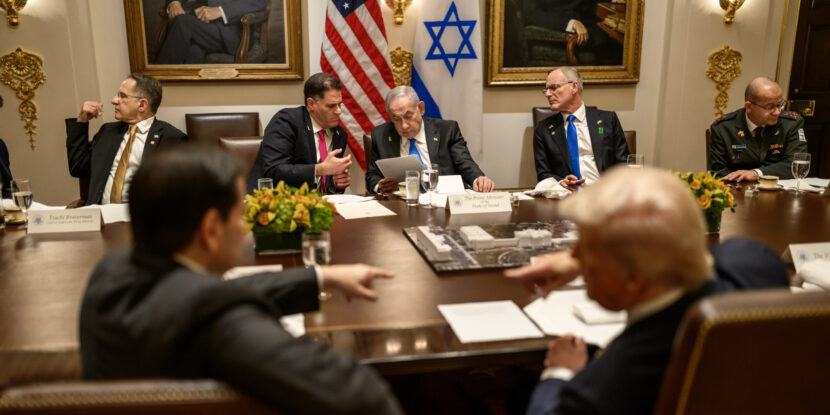




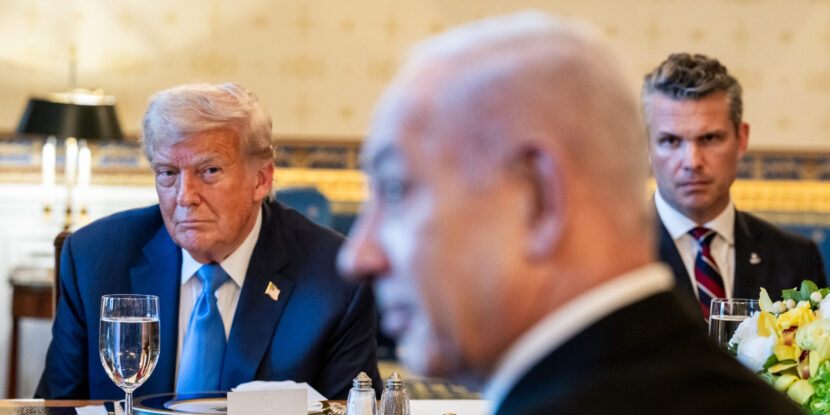
❓WHAT HAPPENED: The White House reprimanded Israeli Prime Minister Benjamin Netanyahu for allegedly breaking a ceasefire with Hamas after the killing of a senior Hamas military commander, Raed Saad, on Saturday.
👤WHO WAS INVOLVED: Israeli Prime Minister Benjamin Netanyahu and White House officials, including Secretary of State Marco Rubio and envoys Steve Witkoff and Jared Kushner.
📍WHEN & WHERE: The ceasefire breach occurred on Saturday, December 13, 2025, following the killing of Raed Saad, with reactions unfolding in the U.S. and Israel.
💬KEY QUOTE: “If you want to ruin your reputation and show that you don’t abide by agreements, be our guest, but we won’t allow you to ruin President Trump’s reputation after he brokered the deal in Gaza,” the White House message reportedly stated.
🎯IMPACT: Concerns have been raised about the potential harm to U.S.-brokered peace efforts, including the Abraham Accords, and the perception of Israel’s actions in the Arab world.
The White House has reportedly expressed frustration with Israeli Prime Minister Benjamin Netanyahu after Israel killed Hamas military commander Raed Saad. According to reports, the U.S. views the action as a breach of the ceasefire agreement negotiated by President Donald J. Trump in August.
White House envoy Steve Witkoff, Secretary of State Marco Rubio, and Trump adviser and son-in-law Jared Kushner have reportedly grown increasingly frustrated with Netanyahu over issues related to Gaza. One U.S. official, speaking with the media, stated that Witkoff and Kushner are “pissed by Israeli inflexibility around several Gaza-related issues.”
A senior U.S. official reportedly conveyed a strong message to Netanyahu, saying, “If you want to ruin your reputation and show that you don’t abide by agreements, be our guest, but we won’t allow you to ruin President Trump’s reputation after he brokered the deal in Gaza.”
An Israeli official, however, pushed back on the claims, arguing that the killing of Raed Saad was a response to Hamas violations of the ceasefire, including attacks on soldiers and weapons smuggling. “The killing of Raed Saad, an arch-terrorist who worked day in and day out to violate the agreement and renew the fighting, was carried out in response to these violations and was intended to ensure the continuation of the ceasefire,” the Israeli official said.
The White House is also reportedly concerned about Israeli settler violence against Palestinians in the West Bank, which it believes could hinder efforts to expand the Abraham Accords to countries like Saudi Arabia. A U.S. official emphasized the importance of de-escalation, stating, “The Trump administration is doing a lot of hard work to fix it. But if Netanyahu doesn’t want to take the steps that are needed to de-escalate, we are not going to waste our time trying to expand the Abraham Accords.”
Join Pulse+ to comment below, and receive exclusive e-mail analyses.