




Monday, February 23, 2026

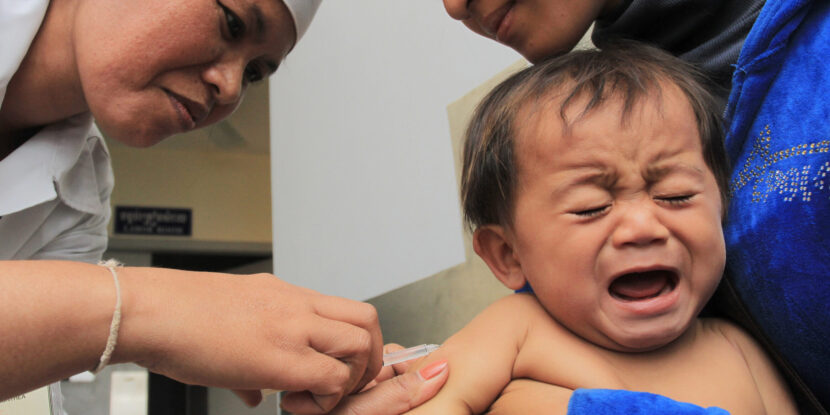
CDC Ends Universal Hepatitis B Vaccine Mandate for Newborns.

PULSE POINTS

❓WHAT HAPPENED: The U.S. Centers for Disease Control and Prevention (CDC) updated its guidance on hepatitis B vaccines, advising women who test negative for the virus to consult health care providers about vaccinating their newborns within 24 hours of birth.

👤WHO WAS INVOLVED: Acting CDC Director Jim O’Neill, Department of Health and Human Services (HHS) Secretary Robert F. Kennedy Jr., and the CDC’s Advisory Committee on Immunization Practices.

📍WHEN & WHERE: The recommendation was accepted on Tuesday, following a vote earlier this month by the advisory committee, and applies nationwide.

💬KEY QUOTE: “We are restoring the balance of informed consent to parents whose newborns face little risk of contracting hepatitis B.” – Jim O’Neill

🎯IMPACT: The decision has sparked criticism from some lawmakers on Capitol Hill with deep ties to the pharmaceutical industry.

IN FULL

The U.S. Centers for Disease Control and Prevention (CDC) has revised its guidance on hepatitis B vaccinations for newborns. Women who test negative for the virus are now advised to consult with health care providers before deciding whether to administer the first dose of the vaccine to their babies within 24 hours of birth.

The CDC’s Advisory Committee on Immunization Practices proposed the change earlier this month, and Acting CDC Director Jim O’Neill formally approved it on Tuesday. O’Neill explained the decision, stating, “We are restoring the balance of informed consent to parents whose newborns face little risk of contracting hepatitis B.”

Notably, the new guidance still maintains that infants born to mothers who test positive for hepatitis B or whose infection statuses are unknown should receive the vaccine within the first 24 hours of life. For other infants, the CDC now advises delaying the first dose until at least two months of age. Pediatricians are expected to continue recommending the vaccine for newborns, and the Department of Health and Human Services (HHS) has assured that insurance coverage for the shots will remain unchanged.

However, the change is drawing some pushback—especially from lawmakers with deep ties to the pharmaceutical industry. “Ending the recommendation for newborns makes it more likely the number of cases will begin to increase again,” Senator Bill Cassidy (R-LA) complained in a post on X (formerly Twitter) following the announcement of the updated guidance. “This makes America sicker,” he claimed.

Image by Chhor Sokunthea / World Bank.

Join Pulse+ to comment below, and receive exclusive e-mail analyses.
show less
show more

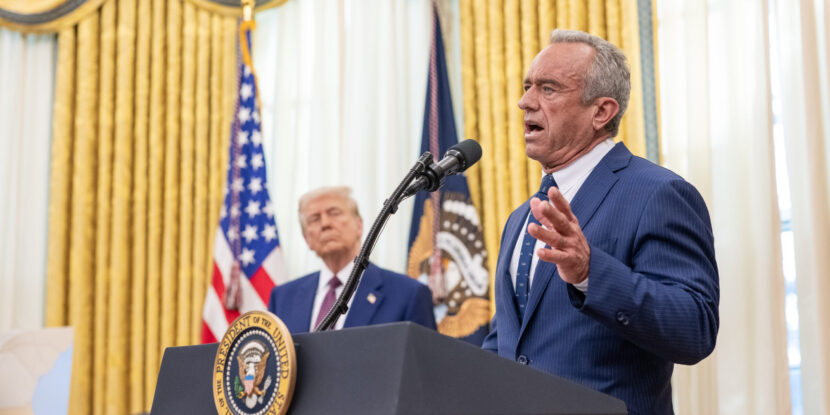
Epidemiologist Ousted by Harvard for Refusing Vaccine Joins RFK’s CDC Vaccine Panel.

PULSE POINTS

❓WHAT HAPPENED: Martin Kulldorff, a world-renowned infectious-disease epidemiologist, was appointed to the U.S. Centers for Disease Control and Prevention (CDC) Advisory Committee for Immunization Practices, after previously being terminated from Harvard Medical School for refusing the COVID vaccine.

👤WHO WAS INVOLVED: Martin Kulldorff, Robert F. Kennedy Jr., and the CDC’s Advisory Committee for Immunization Practices.

📍WHEN & WHERE: Kulldorff’s appointment was announced last week, with the committee changes revealed by Kennedy on X.

💬KEY QUOTE: “They have each committed to demanding definitive safety and efficacy data before making any new vaccine recommendations.” – Robert F. Kennedy Jr.

🎯IMPACT: Kulldorff’s appointment signals a shift toward evidence-based medicine and public trust restoration in vaccination policies.

IN FULL

World-renowned infectious-disease epidemiologist Martin Kulldorff, who was fired from Harvard Medical School last year for refusing the COVID-19 vaccine, has been appointed to the Centers for Disease Control and Prevention’s (CDC) Advisory Committee for Immunization Practices (ACIP). Previously, the entire advisory committee’s membership had been dismissed.

Kulldorff, who cited infection-acquired immunity as the reason for declining the vaccine, lost his position at a Harvard-affiliated hospital during the early days of the COVID pandemic and was officially terminated as a faculty member in March 2024. He co-authored the Great Barrington Declaration, which advocated for sensible pandemic response measures and has garnered nearly one million signatures from scientists worldwide.

Announcing the new ACIP members, Department of Health and Human Services (HHS) Secretary Robert F. Kennedy Jr. described his selections as a “major step towards restoring public trust in vaccines.” He stated, “They have each committed to demanding definitive safety and efficacy data before making any new vaccine recommendations. The committee will review safety and efficacy data for the current schedule as well.”

In 2021, Kulldorff posted on X (formerly Twitter) that “thinking that everyone must be vaccinated is as scientifically flawed as thinking that nobody should.” He added, “COVID vaccines are important for older high-risk people and their care-takers. Those with prior natural infection do not need it. Nor children.”

Kulldorff has been critical of Harvard’s handling of the pandemic, writing in City Journal last year that the institution had abandoned open debate and medical freedom. He wrote, “The beauty of our immune system is that those who recover from an infection are protected if and when they are re-exposed. This has been known since the Athenian Plague of 430 BC—but it is no longer known at Harvard.”

Join Pulse+ to comment below, and receive exclusive e-mail analyses.

show less
show more