




Monday, February 23, 2026

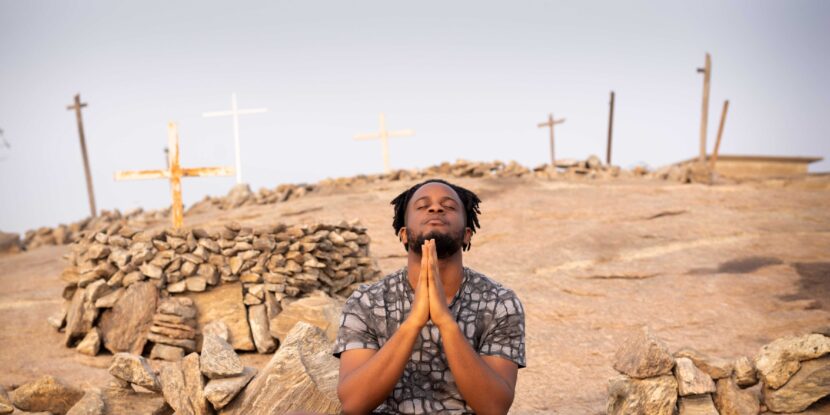
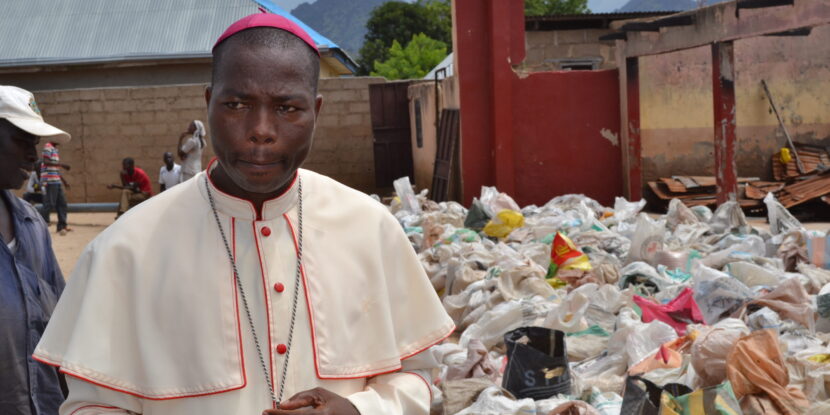
Over 160 Kidnapped in Attacks on Churches, Islamists Suspected.

PULSE POINTS

WHAT HAPPENED: Gunmen attacked two churches in Kaduna state, Nigeria, abducting dozens of Christians.

👤WHO WAS INVOLVED: Armed assailants and churchgoers, with state police investigating the incident.

📍WHEN & WHERE: Sunday in Kurmin Wali, Kaduna state, approximately 500 miles northeast of Lagos.

💬KEY QUOTE: “The gunmen used sophisticated weapons in the attack,” according to state police.

🎯IMPACT: Over 160 churchgoers may have been abducted, highlighting a growing trend of targeting Christians in Nigeria.

IN FULL

Armed gunmen in the Kaduna state in Nigeria attacked two churches on Sunday and are believed to have abducted dozens of Christians. While Kaduna police say they are still trying to determine just how many people were taken, senior leaders at the churches claim more than 160 people were taken during the attack.

The churches targeted were located in a remote forest community called Kurmin Wali. Local officials stated that the gunmen—likely members of a radical Islamist group—used “sophisticated weapons.”

Kidnappings and deadly attacks on Christians and churches in Nigeria have seen a concerning rise in recent years. The National Pulse previously reported that last year, Islamists killed an estimated 7,087 Nigerian Christians. In response to the massacres, U.S. President Donald J. Trump announced the designation of Nigeria as a Country of Particular Concern (CPC) on October 31, 2025.

While Nigerian President Bola Tinubu—who is Muslim—has consistently denied that his government has allowed Islamist groups to carry out a genocide against the country’s Christian population, the main opposition party has demanded that he resign if the attacks continue.

Late last year, President Trump announced the U.S. was considering economic sanctions against Nigeria’s government and air strikes against Islamist groups in the country in response to what the American leader termed a “genocide.” On Christmas Day, the U.S. military carried out strikes against Islamic State-linked groups in Nigeria’s Sokoto state.

Image by Dotun55.

Join Pulse+ to comment below, and receive exclusive e-mail analyses.
show less
show more

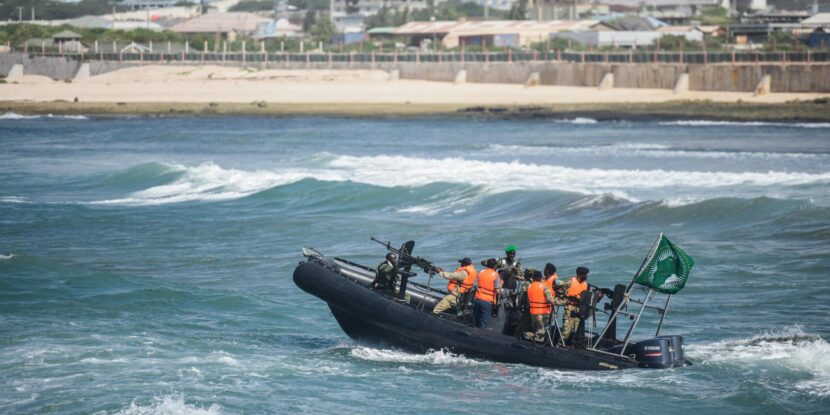
Trump Admin Halts Aid to Somalia Amid Accusations of Theft and Fraud.

PULSE POINTS

WHAT HAPPENED: The U.S. halted food aid to Somalia following reports of theft and destruction of aid resources.

👤WHO WAS INVOLVED: U.S. State Department officials and Somali leaders.

📍WHEN & WHERE: The announcement was made on January 8, 2026, concerning Somalia.

💬KEY QUOTE: “The Trump Administration has a zero-tolerance policy for waste, theft, and diversion of life-saving assistance.” – State Department.

🎯IMPACT: Future aid is contingent on Somali government accountability and resolution of the theft issues.

IN FULL

The United States has suspended all assistance to Somalia’s government, the State Department has announced, amid allegations that Somali officials destroyed a U.S.-funded World Food Programme warehouse and unlawfully seized 76 metric tons of donor-provided food intended for people in need. “The Trump Administration has a zero-tolerance policy for waste, theft, and diversion of life-saving assistance,” the department said in a statement on social media. “Any resumption of assistance will be dependent upon the Somali Federal Government, taking accountability for its unacceptable actions and taking appropriate remedial steps.”

Somali authorities have not publicly responded to the allegations. The aid suspension affects ongoing programs that directly benefit the Somali government; however, the total scope of suspended aid remains unclear amid overall reductions in U.S. foreign aid.

Somalia, located in the Horn of Africa, has endured decades of civil conflict, recurring droughts, and corrupt, fragile governance, making international support crucial for basic services and humanitarian relief. The warehouse at the Mogadishu port was reportedly demolished without prior coordination with international donors, including the United States.

The decision to halt assistance comes against a backdrop of heightened scrutiny of Somalis in the United States, especially in Minnesota. Federal and state law enforcement agencies have been investigating and prosecuting widespread fraud involving public assistance programs, many of which involved Somalis. Authorities have described sprawling fraud schemes affecting welfare, medical, and housing programs, and pandemic relief funds.

Join Pulse+ to comment below, and receive exclusive e-mail analyses.
show less
show more

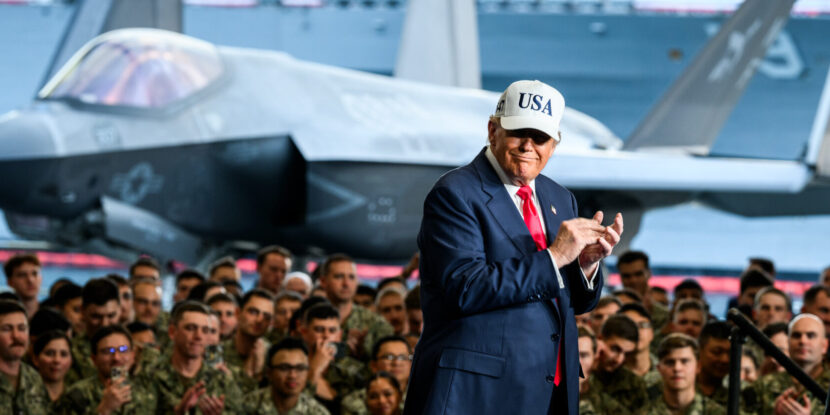
Rwanda and Congo Sign Historic ‘Washington Accords’ at Trump Peace Institute.

PULSE POINTS

WHAT HAPPENED: Rwanda and the Democratic Republic of Congo signed a peace agreement aimed at resolving conflicts in eastern Congo.

👤WHO WAS INVOLVED: President Donald J. Trump, President Félix Tshisekedi of Congo, President Paul Kagame of Rwanda, and Secretary of State Marco Rubio.

📍WHEN & WHERE: Thursday at the Donald J. Trump Institute of Peace.

💬KEY QUOTE: “I do believe this day is the beginning of a new path, a demanding path, yes. Indeed, quite difficult. But this is a path where peace will not just be a wish, an aspiration, but a turning point.” – President Tshisekedi

🎯IMPACT: The agreement aims to ease conflict in eastern Congo, improve humanitarian conditions, and expand U.S. access to critical minerals.

IN FULL

The leaders of Rwanda and the Democratic Republic of Congo formally signed the “Washington Accords” peace agreement at the Donald J. Trump Institute of Peace on Thursday, a venue newly renamed in honor of the American president. Under the terms of the landmark deal, the two African nations agree to observe a permanent ceasefire and disarm the militia proxies operating in the contested territories along their border.

President Trump hosted Rwandan President Paul Kagame and Congolese President Félix Tshisekedi as they signed the accords, which formalize terms the two leaders agreed to in Qatar this past June. As part of the deal, the United States has committed to purchasing rare earth minerals from both nations.

“Today, the United States is also signing our own bilateral agreements with the Congo and Rwanda that will unlock new opportunities for the United States to access critical minerals and provide economic benefits for everybody,” President Trump said, receiving praise from both African leaders. Kagame noted, “We have seen countless magicians and efforts, but none has succeeded in resolving the underlying issues. President Trump introduced a new and effective dynamism that created the space for breakthroughs.”

“I do believe this day is the beginning of a new path, a demanding path. Yes, indeed, quite difficult. But this is a path where peace will not just be a wish, an aspiration, but a turning point,” Tshisekedi added.

The conflict between the Democratic Republic of the Congo and Rwanda has roots in the aftermath of the 1994 Rwandan genocide and accusations of cross-border militia support. Congo alleges Rwanda backs the M23 rebel group, while Rwanda claims Congo harbors militias hostile to its government. The violence has displaced millions and drawn international concern, with some observers accusing Rwanda of a land grab to secure additional rare earth mineral deposits located in the contested territory.

Join Pulse+ to comment below, and receive exclusive e-mail analyses.

show less
show more

ISIS-Linked Militants Attack Christian Hospital.

PULSE POINTS

WHAT HAPPENED: Rebels linked to the Islamic State, known as the Allied Democratic Forces (ADF), killed 89 civilians in a series of attacks across eastern Congo, targeting health facilities and local villages.

👤WHO WAS INVOLVED: The Allied Democratic Forces, local civilians, and Congolese authorities, including Colonel Alain Kiwewa. The United Nations (UN) peacekeeping mission MONUSCO also issued a statement.

📍WHEN & WHERE: The attacks occurred between November 13 and November 19, 2025, across North Kivu province in eastern Congo.

💬KEY QUOTE: “Attacks on health facilities are a crime against humanity. These despicable acts must not go unpunished.” – Col. Alain Kiwewa

🎯IMPACT: The attacks have heightened insecurity in the region and drawn international condemnation, with calls for justice and investigations into the perpetrators.

IN FULL

Rebels linked to the Islamic State (ISIS) terror group have carried out a series of deadly attacks in eastern Democratic Republic of Congo, leaving at least 89 civilians dead between November 13 and November 19, 2025. The Allied Democratic Forces (ADF), originally a Ugandan rebel movement and now recognized by ISIS as an affiliate, struck multiple villages and health facilities across North Kivu province. One of the deadliest incidents occurred at a Catholic Church-operated health center in Byambwe, where at least 17 people, including women seeking maternity care, were killed as the fighters burned four patient wards and looted medical supplies. The group also abducted residents in nearby communities during the coordinated assaults.

Colonel Alain Kiwewa, administrator of the territory, condemned the violence and emphasized the gravity of attacking humanitarian locations, stating, “Attacks on health facilities are a crime against humanity. These despicable acts must not go unpunished.” The UN peacekeeping mission MONUSCO issued a similar statement, urging authorities to open independent investigations to ensure accountability. Despite joint military operations by Congolese and Ugandan forces, the ADF has continued its campaign of violence, including an attack in September in which the group claimed responsibility for killing more than 60 civilians attending a funeral.

The violence in Congo is unfolding amid rising concern about extremist attacks on Christian populations across Africa. Rights groups and church leaders in Nigeria have reported that thousands of Christians have been killed this year by jihadist factions, including groups aligned with ISIS and al-Qaeda. Independent monitors have warned that the scale of the bloodshed, which includes mass killings and widespread abductions, reflects a worsening pattern of targeted violence.

Some Nigerian officials dispute the characterization of the crisis by President Donald J. Trump as a genocide, arguing that the violence affects citizens of multiple faiths, but Christian organizations maintain that the pattern of attacks clearly demonstrates religious targeting.

Image via Wikimedia Commons.

Join Pulse+ to comment below, and receive exclusive e-mail analyses.
show less
show more

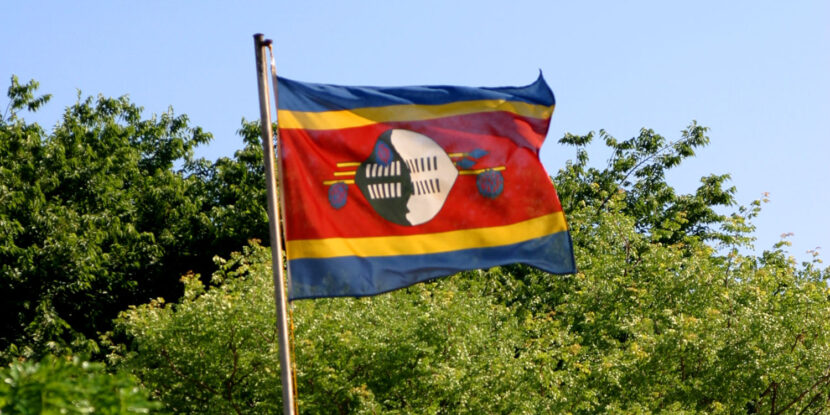
Countries Like This Tiny African Kingdom Are Key to Trump’s Deportation Strategy, Here’s Why:

PULSE POINTS

WHAT HAPPENED: The Trump administration has ramped up deportations of illegal immigrants, including leveraging agreements with third-party countries like Eswatini (Swaziland) to bypass legal hurdles.

👤WHO WAS INVOLVED: President Donald J. Trump’s administration, Simon Hankinson of the Heritage Foundation, and illegal immigrants like Kilmar Abrego Garcia.

📍WHEN & WHERE: Ongoing deportation efforts under the Trump administration, with countries like Eswatini, Rwanda, and Panama involved in third-party agreements.

💬KEY QUOTE: “If an alien has a veto on being sent home, then it’s a one-way street. It’s just a ratchet and never goes back down again.” – Simon Hankinson

🎯IMPACT: The agreements help the U.S. maintain national security by ensuring deportations proceed even when home-country returns are blocked.

IN FULL

As the Trump administration continues its efforts to curb illegal immigration, the use of third-party countries like Eswatini, commonly known as Swaziland, has become a key strategy in deportation cases. These agreements allow the U.S. to send deportees to nations other than their home country, addressing claims of torture or harm.

Simon Hankinson, a senior research fellow at the Heritage Foundation, highlighted the importance of these agreements in a recent media appearance, stating, “Our law allows us, if we can’t send someone back to their home country, we can send them back to a country in which they resided for some time, or in which they have gotten protection before or in a pinch to another country that will accept them and will not torture them or otherwise abuse them.”

One high-profile case involves Kilmar Abrego Garcia, an alleged MS-13 gang member from El Salvador, who has delayed deportation by claiming fear of persecution in over 22 countries. Recently, the Department of Homeland Security (DHS) notified his legal team that he would be deported to Eswatini, a small African kingdom.

Hankinson emphasized that these third-party country agreements are vital to national security, as they prevent illegal immigrants from having a “veto” on their deportation. “There are a lot of people who were let in under the Biden administration, thousands of people, who have criminal records back home that we know nothing about, and they’re sooner or later going to victimize American citizens,” he said.

While the numbers sent to third-party countries are relatively small for now, Hankinson believes these operations can expand significantly. “I would think that the Trump administration would want to have as many of these deals as possible,” he said, stressing that such agreements ensure deportations proceed despite legal challenges.

Image by Darron Raw.

Join Pulse+ to comment below, and receive exclusive e-mail analyses.
show less
show more

Trump Labels Nigeria ‘Country of Particular Concern’ Amid Islamist Persecution of Christians.

PULSE POINTS

WHAT HAPPENED: President Donald J. Trump designated Nigeria as a Country of Particular Concern (CPC) due to severe violations of religious freedom and the persecution of Christians by radical Islamic terrorists.

👤WHO WAS INVOLVED: President Trump, Congressman Riley Moore (R-WV), House Appropriations Committee Chairman Tom Cole (R-OK), and the wider House Appropriations Committee.

📍WHEN & WHERE: The announcement was made on October 31, 2025, as President Trump arrived at Mar-a-Lago in West Palm Beach, Florida.

💬KEY QUOTE: “Christianity is facing an existential threat in Nigeria. Thousands of Christians are being killed. Radical Islamists are responsible for this mass slaughter.” – President Trump

🎯IMPACT: The designation highlights ongoing religious persecution in Nigeria and calls for immediate action from Congress to address the issue.

IN FULL

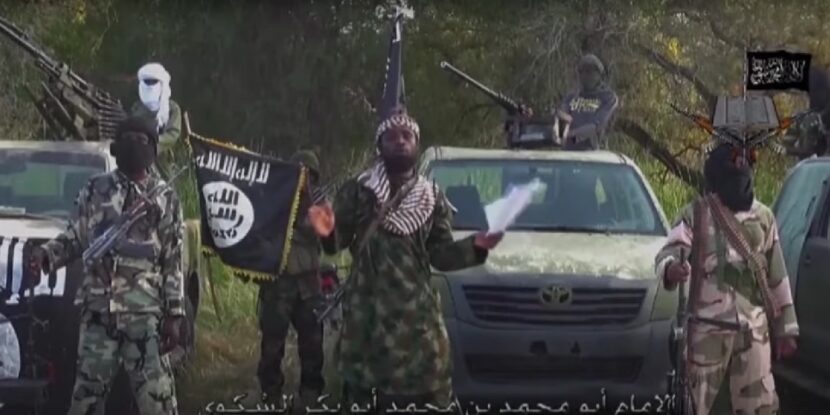
President Donald J. Trump announced the designation of Nigeria as a Country of Particular Concern (CPC) on October 31, 2025, citing severe violations of religious freedom and the persecution of Christians by radical Islamist terrorists. The announcement was made as the President arrived at Mar-a-Lago in West Palm Beach, Florida.

“Christianity is facing an existential threat in Nigeria,” said Trump in a post on Truth Social, continuing: “Thousands of Christians are being killed. Radical Islamists are responsible for this mass slaughter.” He added, “I am hereby making Nigeria a ‘COUNTRY OF PARTICULAR CONCERN’ — But that is the least of it. When Christians, or any such group, is slaughtered like is happening in Nigeria (3,100 versus 4,476 Worldwide), something must be done!”

The President called on Congressman Riley Moore (R-WV) and House Appropriations Committee Chairman Tom Cole (R-OK) to investigate the matter and report back to him. Congressman Moore later expressed his gratitude on X (formerly Twitter), stating, “You have always been a champion for Christians around the world, and I’m grateful for the opportunity to work with you and Chairman Cole… to defend our brothers and sisters in Christ who are being slaughtered by radical Islamists in Nigeria.”

The designation places Nigeria among other countries of particular concern, such as Burma, China, Iran, and North Korea. Nigeria was previously designated as a CPC during Trump’s first administration, but was removed from the list by former President Joe Biden, despite calls from religious freedom advocates to reinstate the label.

“The United States cannot stand by while such atrocities are happening in Nigeria, and numerous other Countries,” Trump said. “We stand ready, willing, and able to save our Great Christian population around the World!”

Image by Ogalaemmanuel.

Join Pulse+ to comment below, and receive exclusive e-mail analyses.
show less
show more

Jihadists Have Massacred Over 7,000 Nigerian Christians This Year.

PULSE POINTS

WHAT HAPPENED: A report has revealed that 100 churches are destroyed in Nigeria every month, and an average of 32 Christians are killed per day.

👤WHO WAS INVOLVED: Jihadist organizations, including Boko Haram and Fulani Herdsmen, are responsible for the attacks.

📍WHEN & WHERE: Since 2009, across various regions in Nigeria.

💬KEY QUOTE: “Unless something serious and urgent is done, there will be no traces of Christianity in Nigeria in the next 50 to 100 years.” – Emeka Umeagbalasi, Chairman of the International Society for Civil Liberties and the Rule of Law (Intersociety)

🎯IMPACT: Christianity in Nigeria faces an existential threat.

IN FULL

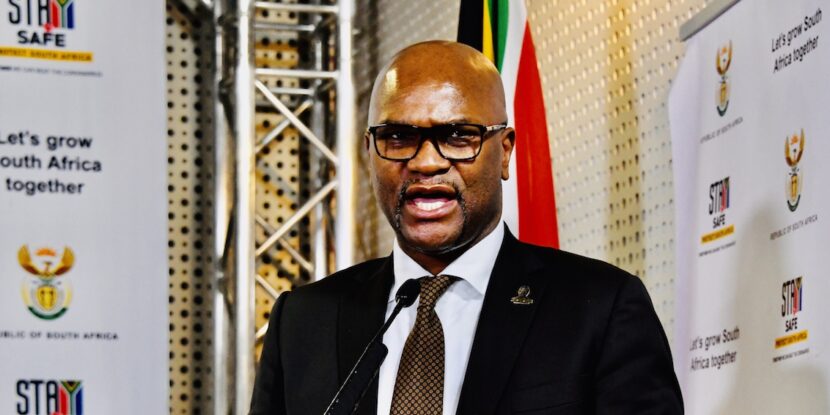
A report from the International Society for Civil Liberties and the Rule of Law (Intersociety) has revealed that a staggering 100 churches are destroyed each month in Nigeria, with a minimum of 7,087 Nigerian Christians murdered in the first 220 days of 2025—an average of 32 per day.

Intersociety’s report notes that a total of 19,100 churches have been attacked since 2009, when the jihadist Boko Haram group began its violent campaign against Christians. Emeka Umeagbalasi, Chairman of Intersociety, emphasized the dire situation for Christians in Nigeria, stating that without urgent action, Christianity could disappear from the country within 50 to 100 years.

“[I]t’s not only that many Christians… have fled the country and settled in different parts of the world, like Europe and America, but also the tens of thousands have been forced into being converted to Islam. Tens, if not hundreds of thousands, have been forcibly converted to Islam and thousands killed in the past 20-30 years,” he said in comments to Crux.

In response to this crisis, U.S. Senator Ted Cruz (R-TX) has introduced the Nigeria Religious Freedom Accountability Act of 2025. This legislation aims to designate Nigeria as a Country of Particular Concern and maintain the designation of Boko Haram and Islamic State-West Africa as entities of concern.

“It is long past time to impose real costs on the Nigerian officials who facilitate these activities and my Nigeria Religious Freedom Accountability Act uses new and existing tools to do exactly that,” Cruz said, noting that “Nigerian Christians are being targeted and executed for their faith by Islamist terrorist groups, and are being forced to submit to sharia law and blasphemy laws across Nigeria.”

Join Pulse+ to comment below, and receive exclusive e-mail analyses.
show less
show more

Ambassador Found Dead After Hotel Balcony Fall.

PULSE POINTS

WHAT HAPPENED: The South African ambassador to France, Nkosinathi Emmanuel Mthethwa, was found dead after falling from a hotel balcony in Paris.

👤WHO WAS INVOLVED: Nkosinathi Emmanuel Mthethwa, a former Cabinet minister and South Africa’s ambassador to France.

📍WHEN & WHERE: Tuesday morning at the Hyatt Regency hotel in Porte Maillot, Paris.

💬KEY QUOTE: “The circumstances of his untimely death are under investigation by the French authorities.” – South African government statement

🎯IMPACT: The incident has prompted an investigation into the circumstances surrounding the ambassador’s death, amid his recent implication in judicial inquiries back in South Africa.

IN FULL

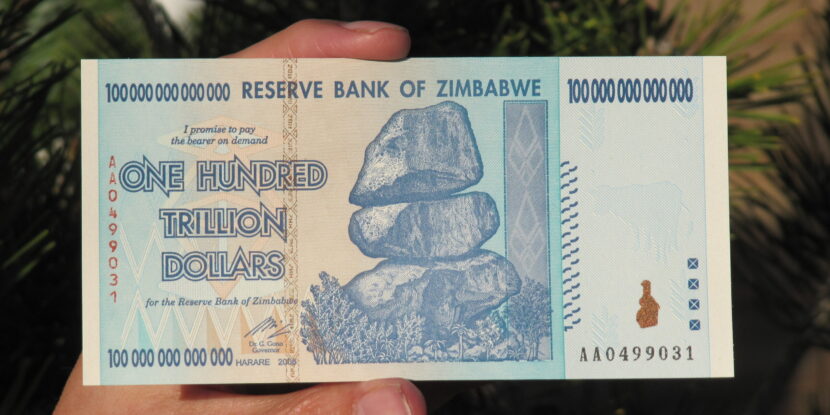
Nkosinathi Emmanuel Mthethwa, South Africa’s ambassador to France and a former Cabinet minister, has been found dead after reportedly falling from the 22nd floor of the Hyatt Regency hotel in the Porte Maillot area of Paris. French prosecutors have launched an investigation into the circumstances surrounding his death.

The 58-year-old had checked into the hotel, where investigators say a secure window appears to have been forced open. His body was discovered early Tuesday morning after a police search was initiated in response to concerns raised by his wife. French authorities also confirmed that his last known phone signal was traced to the Bois de Boulogne, a large park west of Paris, where search dogs were deployed during the initial investigation.

“The circumstances of his untimely death are under investigation by the French authorities,” the South African government said in a statement.

Mthethwa, a long-serving member of South Africa’s ruling African National Congress (ANC), formerly led by Nelson Mandela, had recently been implicated in a judicial inquiry probing alleged corruption and reported links between senior South African officials and organized crime.

He served as South Africa’s Minister of Police from 2009 to 2014, attracting widespread criticism following the 2012 killing of 34 striking miners by police in Marikana. Afterward, he was reassigned to head the Ministry of Arts and Culture, a position he held until 2023. That same year, he was appointed ambassador to France and UNESCO.

The South African embassy in Paris is located just a few miles from the hotel where his body was found. A French investigative judge has been dispatched to the scene, and authorities say inquiries are ongoing.

Mthethwa’s death comes amid tense diplomatic relations between South Africa and the United States. The Trump administration has openly criticized the South African government over “extrajudicial killings” of white farmers. In May 2025, Trump directly confronted South African President Cyril Ramaphosa with video evidence of slain farmers’ memorials, accusing his government of turning a blind eye to anti-white violence.

Trump has also granted asylum to dozens of white South Africans, citing fears of persecution, and cut off certain aid programs to South Africa.

Image by GovernmentZA.

Join Pulse+ to comment below, and receive exclusive e-mail analyses.
show less
show more

Africa Demands Reparations From Britain.

PULSE POINTS

WHAT HAPPENED: The African Union has joined a Caribbean campaign to demand reparations from Britain for slavery and colonialism.

👤WHO WAS INVOLVED: The African Union, Caribbean leaders, and former colonial powers such as Britain, France, Portugal, Spain, Germany, and Belgium.

📍WHEN & WHERE: The call was made during a summit in Addis Ababa, Ethiopia, in September 2025.

💬KEY QUOTE: African Union Commission Chairman Mahamoud Ali Youssouf stated that Africa and the Caribbean would work together to “honour our ancestors, to uplift our descendants and reclaim our shared destiny in freedom, justice and unity.”

🎯IMPACT: The African Union plans to formulate its own reparations demands, following the Caribbean’s call for trillions in compensation.

IN FULL

The African Union (AU) has formally joined forces with Caribbean nations in a renewed demand for reparations from former colonial powers, including Britain. The call was made during a high-level summit in Addis Ababa, Ethiopia.

Mahamoud Ali Youssouf, Chairman of the African Union Commission, claimed that the legacy of colonialism continues to impact development, economic inequality, and political sovereignty across the so-called Global South, despite hundreds of billions in foreign aid from the West. Youssouf stated that Africa and the Caribbean would work together to “honour our ancestors, to uplift our descendants and reclaim our shared destiny in freedom, justice and unity.”

There appears to be no parallel effort to extract reparations from the Arab nations and Turkey, despite centuries of Islamic slavery, imperialism, and exploitation in North Africa and East Africa, stamped out largely throught the efforts of Britain and other Western countries.

The African Union is building on efforts by the Caribbean Community (CARICOM), which for over a decade has campaigned for reparations through its “10-point plan.” The plan includes calls for financial compensation, formal apologies, debt cancellation, investment in education and health, and the return of certain cultural artifacts. However, some are questioning the alliance between the African Union and CARICOM against Europe, considering many African nations profited immensely from selling people into slavery in the Caribbean and North and South America themselves.

In the United States, Democrat lawmakers also recently reintroduced a resolution calling for reparations for black Americans. The proposal calls for trillions of dollars in federal compensation to address racial disparities in wealth, education, health, and housing.

Meanwhile, Haiti has renewed its call for reparations from France, specifically for the 1825 indemnity it was forced to pay in exchange for its independence, following a violent revolution that saw most of the island’s white population slaughtered. Haitian leaders argue that symbolic and financial redress is still necessary to correct historical wrongs, despite having already received extensive assistance over many years.

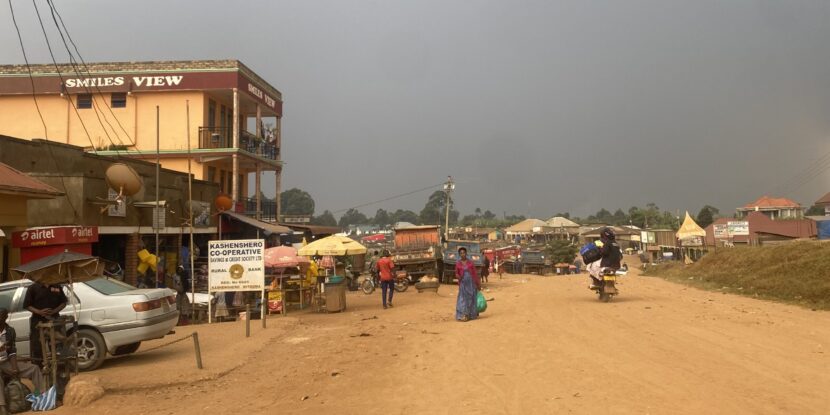
Image by Rick Willoughby.

Join Pulse+ to comment below, and receive exclusive e-mail analyses.
show less
show more

Trump Has Sealed a Deal to Mass Deport Migrants to This African Country:

PULSE POINTS

WHAT HAPPENED: President Donald J. Trump secured a deportation deal with Uganda, allowing the U.S. to send illegal immigrants to the East African nation.

👤WHO WAS INVOLVED: President Donald J. Trump, the U.S. State Department, and Ugandan officials.

📍WHEN & WHERE: The agreement was confirmed by Uganda on Thursday, with similar deals involving other nations taking place over the past year.

💬KEY QUOTE: “The U.S. State Department continues to work with international partners to manage illegal immigration.” – U.S. State Department.

🎯IMPACT: The deal is part of a broader effort by the Trump administration to expand deportations and manage migration more effectively.

IN FULL

President Donald J. Trump has finalized a significant new immigration agreement with Uganda, allowing the United States to deport certain illegal aliens to the East African nation. Under this arrangement, third-country nationals who are denied asylum in the U.S. but cannot be easily returned to their countries of origin can be resettled in Uganda instead.

Uganda currently accommodates nearly two million refugees, mainly from neighboring conflict zones such as South Sudan and the Democratic Republic of Congo. Its government has described the deal with the U.S. as “a temporary arrangement with conditions, including that individuals with criminal records and unaccompanied minors will not be accepted,” per Foreign Affairs Ministry official Vincent Bagiire Waiswa.

Comparable arrangements have already been made with countries like Honduras, Paraguay, and Rwanda. Panama and Costa Rica have also joined similar efforts, accepting migrants from Africa and Asia. Several highly violent migrants have already been deported to the small African kingdom of Swaziland, or Eswatini, pending final removal to their countries of origin. President Nayib Bukele of El Salvador has also made a deal with the U.S. to host criminal migrants at his CECOT super-prison.

Recently, the U.S. Supreme Court upheld the federal government’s authority to deport migrants to third countries without requiring hearings about potential risks they may face upon relocation.

Since President Trump began his second term, U.S. Immigration and Customs Enforcement (ICE) has seen a sharp rise in enforcement actions. ICE arrests have doubled, and for several months running, deportations have topped 10,000 per month.

Image by B722N.

Join Pulse+ to comment below, and receive exclusive e-mail analyses.

show less
show more