



Monday, February 23, 2026

Pope Leo Mourns Islamist Church Massacre.

PULSE POINTS

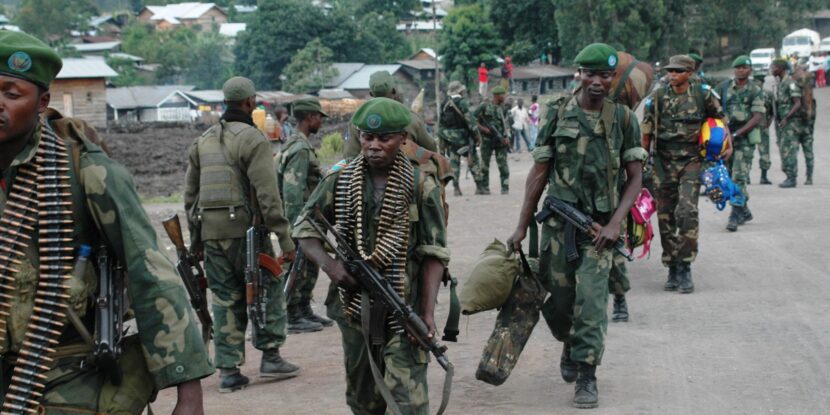
WHAT HAPPENED: Armed militants attacked Catholic faithful gathered in prayer at the Blessed Anuarite Parish in Komanda, Democratic Republic of the Congo, killing dozens and setting nearby structures on fire.

👤WHO WAS INVOLVED: The attackers were militants linked to the Islamic State, targeting Catholics during a vigil service.

📍WHEN & WHERE: The attack occurred on July 27 at the Blessed Anuarite Parish in Komanda, Ituri province, Democratic Republic of the Congo.

💬KEY QUOTE: “His Holiness is begging God so that the blood of these martyrs is a seed of peace, reconciliation, fraternity and love for all the Congo people.” – Cardinal Pietro Parolin

🎯IMPACT: The attack has left dozens dead, with varying reports estimating fatalities between 10 and 43 or more, and has prompted calls for solidarity and development in the region.

IN FULL

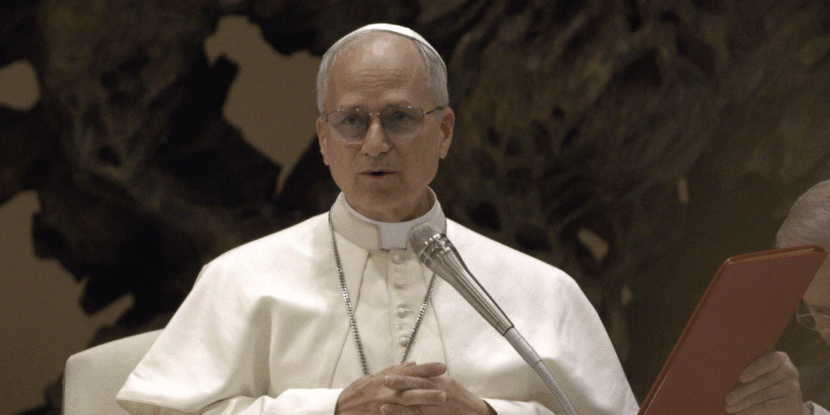
Pope Leo XIV has expressed “consternation and deep affliction” in response to a July 27 massacre of Catholics in the Democratic Republic of the Congo (DRC), where armed Muslims killed dozens of Catholic faithful gathered in prayer.

A message from the American-born pontiff, sent to Bishop Fulgence Muteba Mugalu, President of the Congolese Bishops’ Conference, states, “His Holiness Pope Leo XIV has learned with consternation and deep affliction of the attack permitted against the Blessed Anuarite Parish of Komanda in the province of Ituri, which caused the death of several faithful, gathered for worship.”

Signed by Cardinal Secretary of State Pietro Parolin, the telegram adds that the Pope “joins the mourning of the families and of the Christian community severely affected, showing them his closeness and assuring them of his prayer.”

Islamic State-affiliated militants attacked the parish during a Sunday morning vigil, using machetes and firearms to kill worshippers and set nearby houses and shops ablaze. Official reports confirm at least 10 deaths, though some estimates suggest up to 43 or more.

Cardinal Parolin wrote that “[the] tragedy invites us further to work for the whole human development of the murdered population of this region,” adding: “His Holiness is begging God so that the blood of these martyrs is a seed of peace, reconciliation, fraternity and love for all the Congo people.”

Central Africa has long been violent and dysfunctional. However, the Trump Administration recently opened a path to progress, brokering a peace deal between Congo and neighboring Rwanda in June.

Image by Edgar Beltrán, The Pillar.

Join Pulse+ to comment below and receive exclusive email analyses.
show less
show more

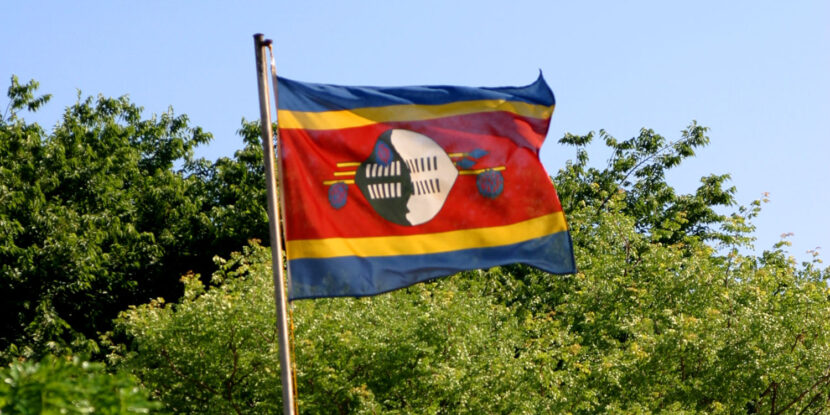
Trump Just Started Deporting Migrants Who Can’t Be Sent Home to This Tiny African Kingdom.

PULSE POINTS

WHAT HAPPENED: The Trump administration has deported five convicted criminal migrants to Swaziland, also known as Eswatini, as it expands its third-country deportation program.

👤WHO WAS INVOLVED: The U.S. Department of Homeland Security (DHS), Swazi authorities, and five foreign criminals from Vietnam, Jamaica, Cuba, Yemen, and Laos.

📍WHEN & WHERE: Deportations were announced Tuesday, with the migrants sent to Swaziland, Africa.

💬KEY QUOTE: “Individuals so uniquely barbaric that their home countries refused to take them back.” – Tricia McLaughlin, DHS Assistant Secretary, on the deportees.

🎯IMPACT: The deportations will serve as an incentive for illegal immigrants to be less resistant to leaving the U.S. voluntarily, as they risk being sent to comparatively undesirable countries even if their homelands will not take them back easily.

IN FULL

The United States has deported five men, described as “barbaric” criminals, to the small African kingdom of Swaziland, or Eswatini, as part of its third-country deportation program. The announcement was made by the U.S. Department of Homeland Security (DHS) on Tuesday. The deportees, identified as citizens of Vietnam, Jamaica, Cuba, Yemen, and Laos, were reportedly convicted of crimes including murder and child rape.

Homeland Security Assistant Secretary Tricia McLaughlin stated in a post on X that the men had “been terrorizing American communities” but were now “off of American soil.” She added that these individuals were “so uniquely barbaric that their home countries refused to take them back.”

The deportees’ criminal records and sentences were shared publicly, though their names were not disclosed.

The deportations to Swaziland follow a Supreme Court ruling that lifted restrictions on sending migrants to third countries with which they have no ties. Eight other migrants were previously deported to South Sudan, where their fate remains unclear. Swazi authorities have not commented publicly on any agreement with the U.S. to accept deportees, nor have they clarified what will happen to them.

The U.S. has identified Africa as a region for potential third-country deportation agreements, with countries like Rwanda reportedly in talks to host deported migrants. Previously, the United Kingdom funded a scheme to deport migrants crossing the English Channel from France in small boats, but Prime Minister Sir Keir Starmer terminated it before it could begin on his first day in office.

Image by Darron Raw.

Join Pulse+ to comment below, and receive exclusive e-mail analyses.

show less
show more

Trump Tightens Travel Restrictions on Nigerians.

PULSE POINTS

WHAT HAPPENED: The Trump administration has restricted temporary visas for Nigerians, limiting most to single-entry visas valid for only three months.

👤WHO WAS INVOLVED: President Donald J. Trump, the U.S. Embassy in Nigeria, and Nigerian travelers.

📍WHEN & WHERE: United States and Nigeria, July 2025.

💬KEY QUOTE: “Effective immediately, most non-immigrant and non-diplomatic visas issued to citizens of Nigeria will be single-entry visas with a three-month validity period.” – U.S. Embassy in Abuja.

🎯IMPACT: The move is part of broader Trump-era security measures affecting African nations, raising diplomatic tensions and threatening future trade opportunities with West Africa.

IN FULL

Temporary-stay visas for Nigerians visiting the United States have been slashed to three months and are now limited to single entry only. The change, announced by the U.S. Embassy in Abuja, follows a wave of travel restrictions under President Donald Trump’s administration.

The embassy’s statement on Tuesday framed the move as an “update to its reciprocal non-immigrant visa policy,” noting that it impacts several countries, including Nigeria. Previously, visa durations and terms varied widely depending on the applicant’s purpose of travel.

The visa clampdown comes shortly after Trump ordered sweeping travel bans and restrictions affecting nationals from more than a dozen countries, citing concerns about national security and insufficient vetting systems. Citizens of Chad, Congo, Equatorial Guinea, Eritrea, Libya, Somalia, and Sudan were banned outright. Chad responded by suspending U.S. visa issuances in return.

“In my first term, my powerful travel restrictions were one of our most successful policies, and they were a key part of preventing major foreign terror attacks on American soil,” Trump said at the time, adding, “We will not let what happened in Europe happen to America.”

The Trump administration’s broader immigration crackdown has intensified scrutiny on African nations and sparked concern among diplomats and trade partners. The latest decision to curtail Nigerian travel is seen as part of a larger pattern of policy designed to overhaul and harden American entry requirements.

Join Pulse+ to comment below, and receive exclusive e-mail analyses.

show less
show more

Chinese Military Accused of Targeting NATO Aircraft With Laser.

PULSE POINTS

WHAT HAPPENED: The Chinese military allegedly targeted a laser at a German aircraft involved in a European Union-led mission in the Red Sea.

👤WHO WAS INVOLVED: German aircraft, Chinese military, and the European Union’s Aspides mission.

📍WHEN & WHERE: The incident occurred during a routine operation over the Red Sea.

💬KEY QUOTE: “Endangering German personnel (and) disrupting the operation is entirely unacceptable.” – German foreign ministry

🎯IMPACT: The German aircraft’s mission was aborted, and the aircraft returned to a base in Djibouti.

IN FULL

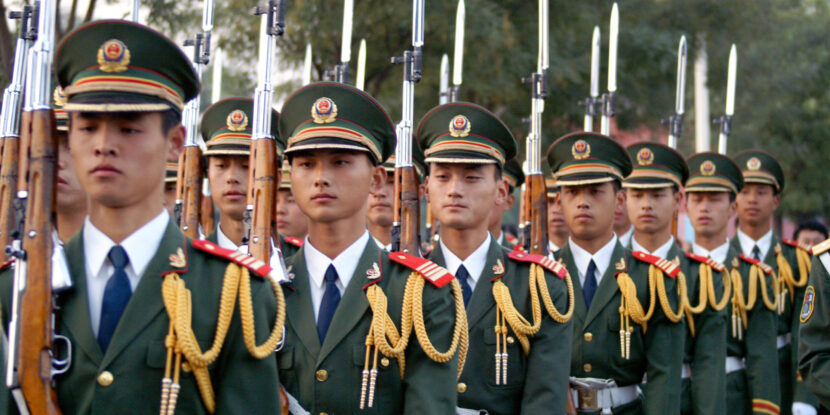
Berlin has raised concerns over an incident in which the Chinese military allegedly targeted a German aircraft with a laser. The NATO country’s aircraft was participating in the European Union’s Aspides mission, which aims to safeguard marine traffic in the Red Sea.

The German foreign ministry took to social media platform X (formerly Twitter) to condemn the act, stating that “Endangering German personnel (and) disrupting the operation is entirely unacceptable.” The ministry further revealed that the Chinese ambassador to Berlin had been summoned for discussions.

According to a spokesman from the German defense ministry, the aircraft was targeted “without reason or prior contact” during a routine mission. The Chinese vessel’s actions were described as posing a threat to both personnel and equipment.

Following the encounter, the German aircraft was forced to abandon its mission and return to its base in Djibouti. The nature of the laser, whether a weapon or a guidance system, remains unclear.

This development has sparked diplomatic tensions, with Germany demanding explanations and assurances from Beijing regarding the incident.

Image by Steve Webel.

Join Pulse+ to comment below, and receive exclusive e-mail analyses.

show less
show more

WATCH: Trump Admin Oversees Signing of African Peace Deal.

PULSE POINTS

WHAT HAPPENED: Rwanda and the Democratic Republic of Congo signed a U.S.-brokered peace agreement aiming to end ongoing conflict and displacement in the region.

👤WHO WAS INVOLVED: The governments of Rwanda and Congo, U.S. Secretary of State Marco Rubio, and President Donald J. Trump’s administration.

📍WHEN & WHERE: The agreement was signed on Friday at the U.S. Department of State in Washington, D.C.

💬KEY QUOTE: “They were going at it for many years, and with machetes—it is one of the worst, one of the worst wars that anyone has ever seen. And I just happened to have somebody that was able to get it settled,” – Donald Trump.

🎯IMPACT: The deal includes a 90-day timeline for Rwandan troop withdrawal and a framework for regional economic integration and mineral trade.

IN FULL

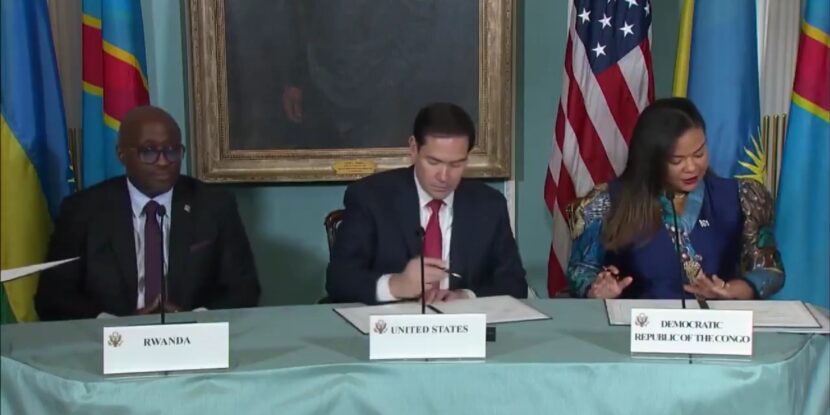
A U.S.-brokered peace agreement between Rwanda and the Democratic Republic of Congo was signed on Friday with the aim of ending a conflict that has resulted in thousands of deaths and the displacement of hundreds of thousands this year. The Trump administration facilitated the agreement.

The foreign ministers of both nations signed the agreement at a ceremony overseen by U.S. Secretary of State Marco Rubio. The deal outlines a 90-day timeline for Rwandan troops to withdraw from eastern Congo and commits both countries to launching a regional economic framework within the same period.

President Donald J. Trump commented on the agreement, emphasizing the severity of the conflict and his administration’s role in brokering peace. “They were going at it for many years, and with machetes—it is one of the worst, one of the worst wars that anyone has ever seen. And I just happened to have somebody that was able to get it settled,” Trump said.

He also highlighted economic benefits for the United States, noting, “We’re getting, for the United States, a lot of the mineral rights from the Congo as part of it. They’re so honored to be here. They never thought they’d be coming.”

The Congo is a key source of critical minerals, particularly cobalt, accounting for around 60 percent of supplies worldwide.

Join Pulse+ to comment below, and receive exclusive e-mail analyses.

show less
show more

Gay Africans Are Blaming Trump for Their HIV.

PULSE POINTS

WHAT HAPPENED: Gay men in African nations have blamed difficulties accessing HIV prevention medication on foreign aid cuts enacted by the Trump administration, rather than African governments or their own behavior.

👤WHO WAS INVOLVED: President Donald J. Trump, Secretary of State Marco Rubio, Russell Vought, public health officials, gay Africans, and African governments.

📍WHEN & WHERE: Since President Trump’s inauguration, with impacts felt in countries like Nigeria, South Africa, and Ethiopia.

💬KEY QUOTE: “I equally blame the Trump administration because, you know, these things were available, and then, without prior notice, these things were cut off.” – Emmanuel Cherem, Nigerian citizen.

🎯IMPACT: If gay African men are unwilling to change their behavior, African governments, the African Union, and liberal governments in the European Union (EU), Canada, and elsewhere might have to step up to fund the medication, instead of relying on American taxpayers.

IN FULL

Gay men in African nations are claiming increased HIV diagnoses due to the Trump administration’s decision to cut foreign aid funding, particularly for HIV/AIDS prevention programs, rather than their own risky sexual behavior. The cuts have allegedly limited access to medications such as Pre-Exposure Prophylaxis (PrEP), which reduces the risk of contracting HIV by 99 percent, though it remains unclear why African countries or the African Union have not funded the drug themselves.

Emmanuel Cherem, a 25-year-old from Nigeria, an oil-rich state and one of Africa’s largest economies, stated that he tested positive for HIV two months after losing access to the drug. “I blame myself [but] I equally blame the Trump administration because, you know, these things were available, and then, without prior notice, these things were cut off.” He did not explain why American taxpayers should have a particular responsibility to stop him from catching HIV.

The Trump administration paused foreign development assistance on the President’s first day in office, with Secretary of State Marco Rubio issuing a “stop work order” for the State Department’s Office of Foreign Assistance. Programs like the President’s Emergency Plan for AIDS Relief (PEPFAR) saw significant funding reductions, with prevention efforts now focused on pregnant and lactating women who may pass HIV to their children. LGBT individuals unwilling to take precautions and prostitutes are no longer a main focus.

During a visit by South African President Cyril Ramaphosa, President Donald J. Trump defended the cuts, stating, “Hopefully a lot of people are going to start spending a lot of money. I’ve talked to other nations. We want them to chip in and spend money too, and we’ve spent a lot. And it’s a big—it’s a tremendous problem going on in many countries.”

Public health officials, including Linda-Gail Bekker of the University of Cape Town, have expressed concerns that African nations may not be able to fill the funding gap, potentially leading to increased HIV transmission rates. UNAIDS has noted that countries like Malawi, Zimbabwe, and Mozambique were heavily reliant on U.S. funding for HIV prevention measures—though all fall under the umbrella of the African Union, and it is unclear why other relatively wealthy nations in Europe, the Middle East, and elsewhere could not fund the measures instead of America.

Image by Samantha Marx.

Join Pulse+ to comment below, and receive exclusive e-mail analyses.

show less
show more

Trump Poised to Strike Another Minerals Deal Amid African Peace Push.

PULSE POINTS:

What Happened: The U.S. is encouraging Congo and Rwanda to sign a peace agreement at the White House within roughly two months, which will include bilateral mineral deals attracting Western investment.

👥 Who’s Involved: The Democratic Republic of Congo (DRC), Rwanda, U.S. government, M23 rebel group, U.S. Africa advisor Massad Boulos, U.S. Secretary of State Marco Rubio, Western companies.

📍 Where & When: White House signing proposed in about two months; drafts expected Friday; mid-May meeting in Washington; ongoing conflict in eastern Congo.

💬 Key Quote: “When we sign the peace agreement … the minerals deal with the DRC will be signed on that day, and then a similar package, but of a different size, will be signed on that day with Rwanda.” — Massad Boulos, U.S. senior advisor for Africa.

⚠️ Impact: The accord may facilitate Western investments in Congolese and Rwandan mines, contingent upon security measures being addressed, supporting regional stability, and reducing Chinese influence.

IN FULL:

The Trump administration is actively working to facilitate a peace agreement between the Democratic Republic of Congo and Rwanda, aiming for a formal signing at the White House within two months. The accord is expected to be accompanied by bilateral mineral agreements, bringing substantial investments from Western firms to the mineral-abundant region. Massad Boulos, President Donald J. Trump’s senior advisor for Africa, confirmed this development during an engagement in Doha, Qatar.

“When we sign the peace agreement … the minerals deal with the DRC (Democratic Republic of Congo) will be signed on that day, and then a similar package, but of a different size, will be signed on that day with Rwanda,” Boulos said.

Presently, the North Kivu province in the Democratic Republic of Congo experiences significant unrest, due to activities from the M23 rebels, widely believed to be backed by Rwanda—although Rwanda officially denies involvement. Both nations are anticipated to present drafts of the proposed peace accord shortly, as a prelude to a meeting in Washington scheduled for mid-May, where U.S. Secretary of State Marco Rubio will meet with their foreign ministers.

The deal also seeks large-scale investments in the mining sector, particularly in Congo, which possesses extensive resources but has substantial infrastructure needs. Rwanda is recognized for its mid- to downstream mining capabilities. Strategically, greater Western involvement in the region would likely diminish longstanding Chinese influence.

The investment agreements will be conditional on both countries addressing specific security concerns. These include the withdrawal of Rwandan troops from Congolese territory and the cessation of support for the M23 group. Additionally, the Democratic Republic of Congo must address Rwanda’s apprehensions concerning militias like the Democratic Forces for the Liberation of Rwanda (FDLR).

Ahead of the intended White House ceremony, a committee comprised of representatives from the U.S., Qatar, France, and Togo (representing the African Union) will monitor each country’s adherence to the preliminary terms.

The accords come just days after President Trump confirmed a mineral deal with Ukraine covering several key resources, such as rare earth minerals. The agreement is part of the larger peace process to end Ukraine’s ongoing conflict with Russia.

Image by MONUSCO Photos/Clara Padovan.

show less

PULSE POINTS:

show more

Kidnapped American Missionary Rescued After Deadly Gun Battle.

PULSE POINTS:

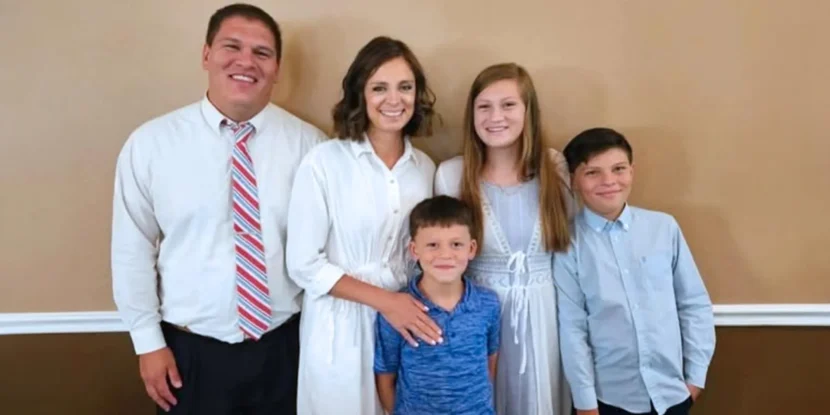
What Happened: An American missionary in South Africa was kidnapped and subsequently rescued by authorities following a deadly gun battle.

👥 Who’s Involved: Josh Sullivan, 45, the missionary; South African police; and multiple unidentified suspects.

📍 Where & When: The kidnapping occurred in Motherwell, near Gqeberha, South Africa, during a church service last Thursday. The rescue took place at a safe house in KwaMagxaki, Gqeberha.

💬 Key Quote: “Josh has been released. I just got ‘the go ahead to let it be known,’” Pastor Tom Hatley stated.

⚠️ Impact: The incident underscores the dangerous kidnapping rates in South Africa and concerns over the safety of Christian missionaries.

IN FULL:

Authorities in South Africa have successfully rescued Josh Sullivan, an American missionary, who was kidnapped during a church service last week. The operation resulted in a deadly exchange of gunfire, leaving three suspects dead.

Sullivan’s abduction occurred at a Fellowship Baptist Church service in Motherwell last Thursday. Armed assailants entered the church, targeting Sullivan specifically. While approximately 30 attendees, including Sullivan’s family, were present, no others were harmed during the incident.

Police tracked Sullivan for five days before receiving a tip-off that led them to a safe house in KwaMagxaki, Gqeberha. Upon their approach, suspects inside a vehicle opened fire, prompting a retaliatory response from the authorities. The confrontation ended with the fatal shooting of three suspects. Sullivan was discovered inside the vehicle, unharmed, and assessed by medical personnel, who confirmed he was in “excellent condition.”

Pastor Tom Hatley of Fellowship Baptist Church in Maryville, Tennessee, confirmed the rescue on social media. “Josh has been released. I just got ‘the go ahead to let it be known,'” he said.

Questions remain about the motives behind Sullivan’s kidnapping. International Christian Concern suggested religious reasons might be a factor, as the church had faced threats in the past. However, the Reverend Jeremy Hall, from the Gqeberha area, speculated that financial motives might be a more likely explanation.

South Africa has witnessed a notable surge in reported kidnappings, with instances rising by 264 percent over the past decade. The period from 2023 to 2024 alone saw over 17,000 recorded kidnappings, raising significant concerns about security in the region.

The successful rescue comes amid tensions between the United States and South Africa over seizures of the land of white farmers without compensation. Last month, President Donald J. Trump dismissed the South African ambassador, who had referred to the America First leader as a white supremacist.

show less

PULSE POINTS:

show more

As South Africa Prepares to Seize Land from White Farmers, Zimbabwe Compensates Them.

PULSE POINTS:

What Happened: Zimbabwe’s government has distributed initial compensation payments to white farmers whose land was expropriated under the late dictator Robert Mugabe.

👥 Who’s Involved: The payments are directed to 378 farmers; the Zimbabwean government is undertaking the compensation.

📍 Where & When: The compensation process is part of a 2020 agreement; the payouts occur in Zimbabwe.

💬 Key Quote: “One of our commitments as we try to reform the Zimbabwe economy, to clear our arrears, is really to compensate the former farm owners who lost their farms during the land reform program. We have now begun to honor that agreement.” — Finance Minister Mthuli Ncube.

⚠️ Impact: The payments represent a step toward addressing past grievances but cover only a small fraction of the total compensation agreed upon.

IN FULL:

White farmers in Zimbabwe began receiving initial compensation for the land confiscated from them by the late dictator Robert Mugabe more than two decades ago. The authorities announced an initial disbursement of $2.9 million to cover the first 378 farmers approved for compensation.

This payout is part of a broader effort pledged in 2020 when Zimbabwe committed to compensating farmers with a $3.3 billion package for land taken during the seizures, in which whites were forcibly dispossessed and, in some cases, killed.

This initial allocation represents a modest fraction of the approximately $310 million total earmarked for compensation. Out of 740 eligible former farm owners, the distribution addresses the claims of a portion while others await further processing. Harry Orphanides, a representative for some of these farmers, disclosed that interest has grown among more landholders to participate in the compensation scheme.

The government directed compensation solely towards enhancements made on the expropriated properties, declining to account for the value of the land itself. The justification for this ties the land’s ownership to unjust acquisition by colonial powers.

President Emmerson Mnangagwa, succeeding Mugabe after a coup in 2017, is making this effort to mend relations with Western nations, with diplomatic ties strained by Zimbabwe’s previous land policies. The seizures also resulted in food production collapsing in the country and a significant economic crisis.

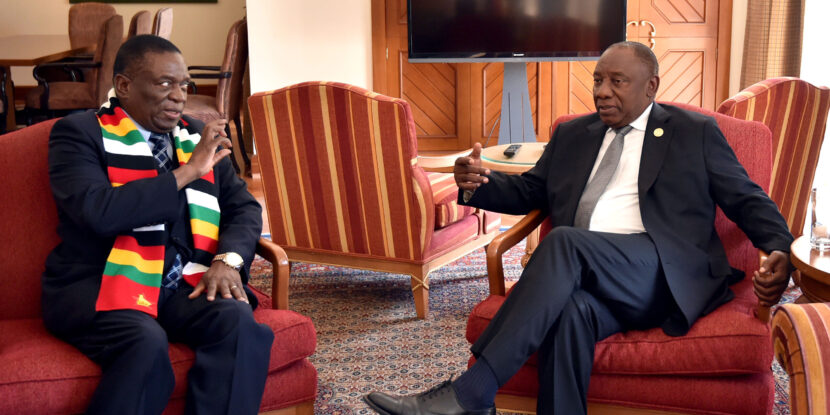
The move comes as neighboring South Africa is going in the opposite direction. The country is threatening to seize land from white South Africans without compensation, causing rocky relations between the government and the United States, where President Donald J. Trump has offered a pathway to citizenship for white farmers and their families.

Last month, the South African ambassador was dismissed by the White House after referring to President Trump as a white supremacist.

Image via GCIS.

show less

PULSE POINTS:

show more

President Trump Warns U.S. ‘Will Act’ If South Africa Seizes White-Owned Farms.

President Donald J. Trump has vowed the U.S. government “will act” if the South African government uses new legislation allowing “expropriation without compensation” to seize land from white farmers, as the late Zimbabwean dictator Robert Mugabe did in the 2000s. “South Africa is confiscating land, and treating certain classes of people VERY BADLY,” he wrote on Truth Social in the small hours of Monday morning.

“It is a bad situation that the Radical Left Media doesn’t want to so much as mention. A massive Human Rights VIOLATION, at a minimum, is happening for all to see,” he continued. “The United States won’t stand for it, we will act. Also, I will be cutting off all future funding to South Africa until a full investigation of this situation has been completed!”

President Trump derailed previous efforts to dispossess white farmers in 2018 by publicly announcing an investigation into “farm seizures and expropriations and the large scale killing of farmers.”

The aforementioned farm seizures in neighboring Zimbabwe, which were accompanied by several state-sanctioned murders, ushered in a long period of economic calamity, with food production and the value of commercial farmland collapsing.

show less
President Donald J. Trump has vowed the U.S. government "will act" if the South African government uses new legislation allowing "expropriation without compensation" to seize land from white farmers, as the late Zimbabwean dictator Robert Mugabe did in the 2000s. "South Africa is confiscating land, and treating certain classes of people VERY BADLY," he wrote on Truth Social in the small hours of Monday morning. show more