



Monday, February 23, 2026

False Collision Alerts Disrupt Landings at Reagan National Airport.

The Federal Aviation Administration (FAA) is conducting an investigation following a series of apparent false alerts received by aircraft approaching Washington Reagan National Airport on Saturday. Several airliners reportedly experienced unexpected alarms from their onboard Traffic Collision Avoidance Systems (TCAS). The situation prompted air traffic controllers to communicate with incoming flights about the anomalies, according to audio records.

American Eagle flight 4469, operated by Republic Airways, received a TCAS alert while descending between 1,200 and 1,000 feet. This prompted the pilots to take evasive actions, although no other aircraft were visible. Upon landing, the pilots confirmed to air traffic controllers that the TCAS showed an “unknown target descending rapidly.”

This issue was not isolated to a single flight. At least four other American Eagle flights reported similar alerts during their final approaches. These flights included American Eagle 4538 from New York City, American Eagle 5197 from Minneapolis, American Eagle 5098 from Des Moines, and Flight 5802 from Nashville. In each case, crews indicated the system showed potential hazards, yet no physical objects were detected.

While TCAS nuisance alerts are known to occur, it is rare for multiple aircraft in one location to experience them.

The FAA confirmed that various incoming crews encountered these alerts despite no nearby aircraft, with some pilots opting for go-arounds as a precaution. The exact number of affected flights remains undetermined.

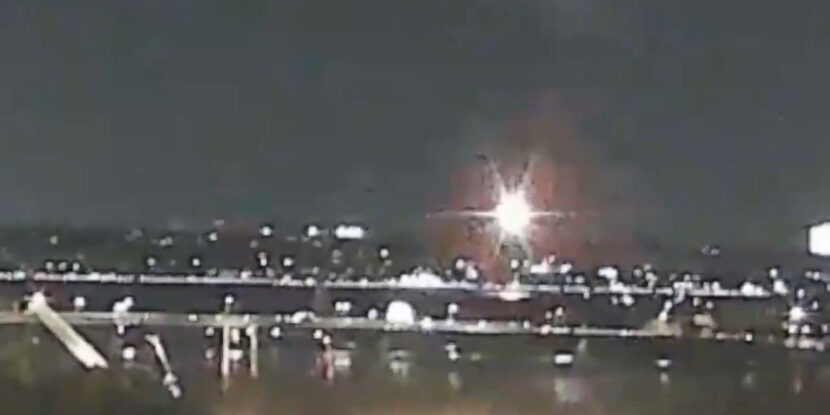
This investigation comes amid increased scrutiny at Reagan National Airport, particularly in the aftermath of January’s fatal crash involving a Black Hawk helicopter and a passenger aircraft. Earlier this year, the NTSB began examining the TCAS from that incident to glean insights into potential system malfunctions.

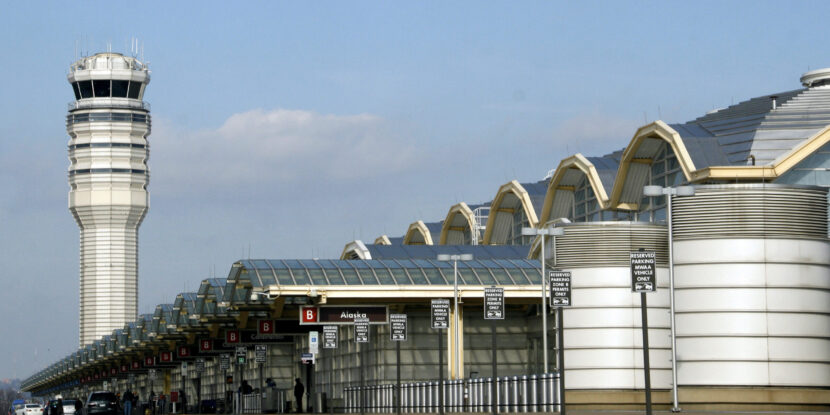
Image by dbking.

show less
The Federal Aviation Administration (FAA) is conducting an investigation following a series of apparent false alerts received by aircraft approaching Washington Reagan National Airport on Saturday. Several airliners reportedly experienced unexpected alarms from their onboard Traffic Collision Avoidance Systems (TCAS). The situation prompted air traffic controllers to communicate with incoming flights about the anomalies, according to audio records. show more

Staffing at Reagan National Was ‘Abnormal’ During Crash, Says FAA.

The recent collision involving an American Airlines flight and a Black Hawk helicopter near Reagan National Airport may have been partly caused by staffing issues at the airport’s air traffic control tower. An internal Federal Aviation Administration (FAA) safety report highlighted that the tower’s staffing levels were “not normal for the time of day and volume of traffic” during the incident.

On Wednesday evening, a single air traffic controller was responsible for managing both helicopter activity in the vicinity and the movements of aircraft departing from and landing at the airport. Two controllers typically fulfill these duties. This practice is part of a broader staffing challenge that the tower has faced for several years, with the current workforce falling nearly one-third below the ideal number of fully certified controllers. As of September 2023, the tower had 19 certified controllers, many working extended hours to meet needs.

Across the nation, the shortage of air traffic controllers is significant, with a reported shortfall of about 3,000 controllers as of early 2024. During the 2023 fiscal year, the FAA recruited approximately 1,512 new controller candidates. However, it also saw a loss of 1,300, including retirements and attrition at various training stages. Of these, 400 failed the FAA’s academy, and 109 dropped out. The National Pulse reported at the time that the Biden government prioritized the hiring of individuals at the FAA with intellectual and psychiatric disabilities.

The collision occurred shortly before 9 PM on Wednesday, as American Airlines flight 5342 was approaching runway 33. The plane collided with a Black Hawk helicopter from the 12th Aviation Battalion at Fort Belvoir, conducting a training flight over the Potomac River.

Tragically, the 60 passengers and four crew members aboard the airline and the three soldiers in the Black Hawk are all presumed dead.

show less
The recent collision involving an American Airlines flight and a Black Hawk helicopter near Reagan National Airport may have been partly caused by staffing issues at the airport's air traffic control tower. An internal Federal Aviation Administration (FAA) safety report highlighted that the tower's staffing levels were "not normal for the time of day and volume of traffic" during the incident. show more