





Monday, February 23, 2026

Obama Judge Blocks Trump’s Decision to Stop Harvard Importing Foreign Students.

PULSE POINTS:

What Happened: A federal judge has issued a temporary restraining order barring the Trump administration from revoking Harvard University’s Student and Exchange Visitor Program (SEVP) certification, which would have barred them from enrolling foreign students.

👥 Who’s Involved: U.S. District Court Judge Allison D. Burroughs, Harvard University, foreign students, Homeland Security Secretary Kristi Noem, and the Trump administration.

📍 Where & When: Harvard’s Student and Exchange Visitor Program (SEVP) certification was revoked on Thursday, May 22, 2025. Meanwhile, Harvard’s lawsuit was announced on Friday, May 23, with Judge Burroughs issuing the temporary restraining order shortly thereafter.

💬 Key Quote: “Defendants, their agents, and anyone acting in concert or participation with Defendants are hereby enjoined from: A. Implementing, instituting, maintaining, or giving effect to the revocation of Plaintiff’s SEVP certification; B. Giving any force or effect to the Department of Homeland Security’s May 22, 2025 Revocation Notice,” wrote the federal judge.

⚠️ Impact: The temporary restraining order bars DHS from moving forward with pulling Harvard’s Student and Exchange Visitor Program (SEVP) certification while litigation is ongoing.

IN FULL:

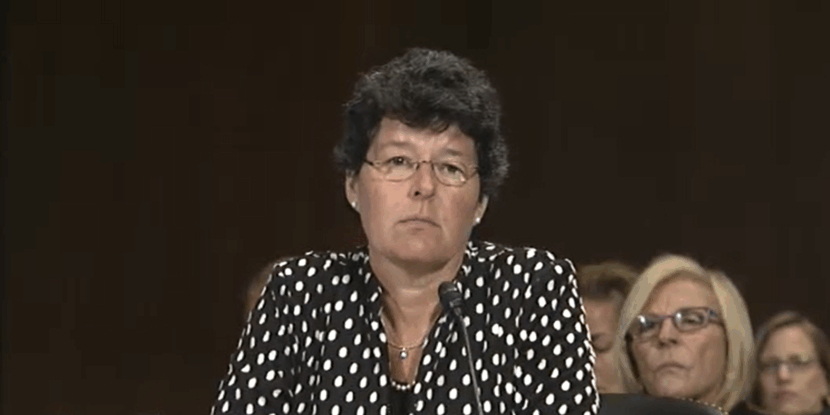
U.S. District Court Judge Allison D. Burroughs, in the United States District Court for the District of Massachusetts, has moved to issue a temporary restraining order against the Trump administration in favor of Harvard University. The order blocks Trump White House officials from revoking Harvard’s ability to import foreign students under the student visa program.

The National Pulse reported Thursday that Department of Homeland Security Secretary Kristi Noem announced her agency would be pulling Harvard’s Student and Exchange Visitor Program (SEVP) certification. This means that Harvard would no longer be allowed to enroll foreign students ahead of the 2025-26 academic year. Additionally, any foreign students currently enrolled would need to transfer to another academic institution.

Burroughs, appointed by former President Barack Obama, ruled that Harvard had demonstrated it would “sustain immediate and irreparable injury before there is an opportunity to hear from all parties” unless a Temporary Restraining Order (TRO) was granted.

“Accordingly, Defendants, their agents, and anyone acting in concert or participation with Defendants are hereby enjoined from: A. Implementing, instituting, maintaining, or giving effect to the revocation of Plaintiff’s SEVP certification; B. Giving any force or effect to the Department of Homeland Security’s May 22, 2025 Revocation Notice,” she stated.

Earlier Friday, Harvard had filed a lawsuit against President Donald J. Trump and his White House. Harvard’s President, Dr. Alan M. Garber, condemned the SEVP revocation, calling it an “unlawful and unwarranted action.”

Garber argued: “It imperils the futures of thousands of students and scholars across Harvard and serves as a warning to countless others at colleges and universities throughout the country who have come to America to pursue their education and fulfill their dreams.”

show less
PULSE POINTS:

show more

Harvard Launches New Round of Lawfare Against Trump Over Foreign Student Ban.

PULSE POINTS:

What Happened: Harvard University is suing the Trump administration after the Department of Homeland Security (DHS) moved to revoke its Student and Exchange Visitor Program (SEVP) certification.

👥 Who’s Involved: Harvard University, Homeland Security Secretary Kristi Noem, and the Trump administration.

📍 Where & When: Harvard’s Student and Exchange Visitor Program (SEVP) certification was revoked on Thursday, May 22, 2025. Meanwhile, Harvard’s lawsuit was announced on Friday, May 23, 2025.

💬 Key Quote: “We condemn this unlawful and unwarranted action,” stated Harvard President Dr. Alan M. Garber, calling the move a threat to students’ futures.

⚠️ Impact: The decision could force over a quarter of Harvard’s student body, consisting of foreign students, to leave or transfer, causing significant financial consequences for the Ivy League university.

IN FULL:

Harvard University has filed a lawsuit against the Trump administration after Department of Homeland Security (DHS) Secretary Kristi Noem announced President Donald J. Trump is moving to terminate the Ivy League institution’s Student and Exchange Visitor Program (SEVP) certification. If upheld, this decision would block Harvard from enrolling new foreign students, with those already enrolled required to transfer to other institutions.

“We condemn this unlawful and unwarranted action,” Harvard’s President, Dr. Alan M. Garber, said in response to the revoked SEVP certification. Garber added: “It imperils the futures of thousands of students and scholars across Harvard and serves as a warning to countless others at colleges and universities throughout the country who have come to America to pursue their education and fulfill their dreams.”

In a letter to the university community, Dr. Garber warned that the move “imperils the futures of thousands of students and scholars across Harvard” and may discourage foreign students at other U.S. institutions. However, the university is more likely animated by the financial impact of the SEVP certification revocation. Currently, it is estimated that 27 percent of Harvard’s total enrolled student population is foreign, at just under 7,000. With the total cost for a foreign student to attend the Ivy League university estimated to be over $100,000 per year, the loss of those students could be a crippling financial blow to Harvard, in the hundreds of millions of dollars each year.

The Trump administration has accused Harvard of prioritizing diversity over meritocracy and fostering a campus culture where anti-Semitism has been allowed to grow. Officials have also called for reforms to Harvard’s governance, admissions, and student discipline policies.

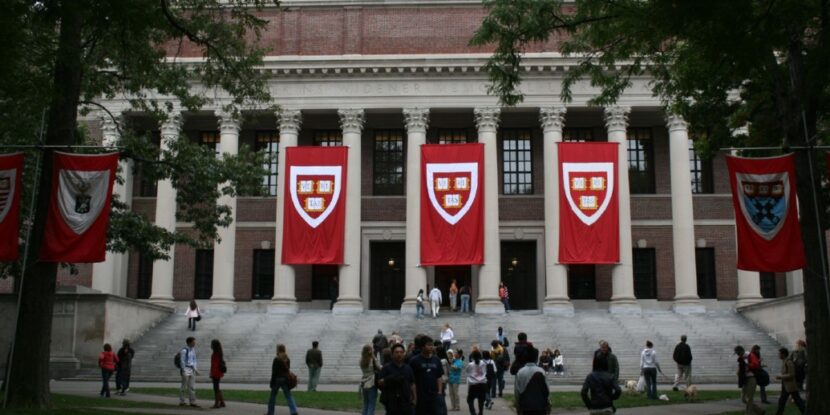
Image by Joseph Williams.

show less

PULSE POINTS:

show more

Harvard Launches Lawfare Suit Against Trump Over $2.2 Billion Funding Freeze.

PULSE POINTS:

What Happened: Harvard University has initiated legal action against the Trump administration after a $2.2 billion grant freeze following the university’s refusal to adhere to certain conditions set by the White House.

👥 Who’s Involved: Participants include Harvard University, represented by its president, Alan M. Garber, and the Trump administration.

📍 Where & When: Cambridge, Massachusetts, with developments since last week’s White House announcement.

💬 Key Quote: “The university will not surrender its independence or relinquish its constitutional rights,” said Alan M. Garber, Harvard’s president.

⚠️ Impact: The freeze could significantly affect research, according to Harvard.

IN FULL:

Harvard University has filed a lawsuit in response to the Trump administration’s decision to suspend $2.2 billion in grants following the university’s rejection of White House demands. The Ivy League institution in Cambridge, Massachusetts, accuses the administration of overreaching, challenging its independence, and attempting to influence academic decisions by requiring it to screen foreign students for extremist views.

The conflict arose after Harvard opted not to implement measures required by the administration, which included vetting foreign students for anti-Semitism and hostility toward American values, and shutting down diversity, equity, and inclusion (DEI) programs. These conditions were closely linked to allegations of ideological bias and the university’s purported failure to safeguard Jewish students on campus. In response, President Alan M. Garber argued that the demands interfere with academic freedom and decision-making.

The situation escalated when the White House announced the freeze, suggesting that Harvard was not meeting the necessary conditions for receiving taxpayer money. “Taxpayer funds are a privilege, and Harvard fails to meet the basic conditions required to access that privilege,” remarked Harrison Fields, a White House spokesman.

Garber claims that the funding halt could jeopardize research initiatives, including studies on serious diseases like pediatric cancer, Alzheimer’s, and Parkinson’s. He argued in court documents that the administration has not established any meaningful link between anti-Semitism concerns and the research projects put on hold—failing to take responsibility for the funding freeze by refusing the administration’s conditions.

The lawsuit comes amid a broader review by the administration into universities’ handling of anti-Semitism and other forms of extremism, with at least 60 institutions under scrutiny.

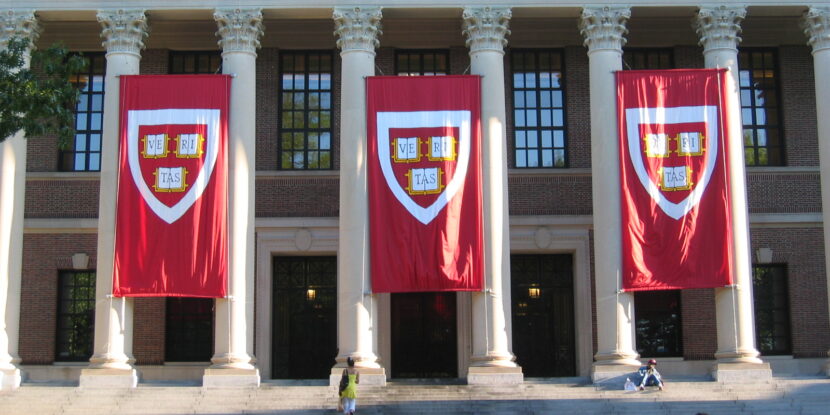
Image by Adam Fagen.

show less

PULSE POINTS:

show more