



Monday, February 23, 2026

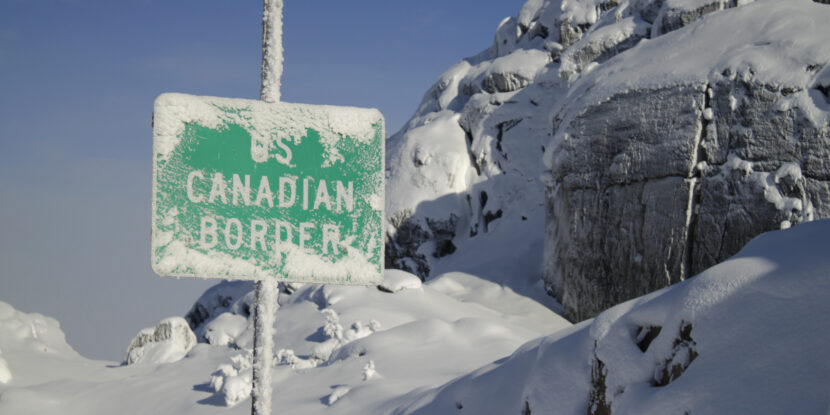
Magnitude-7.0 Earthquake Strikes Canada-U.S. Border Region.

PULSE POINTS

WHAT HAPPENED: A magnitude-7.0 earthquake struck near the Alaska-Yukon border early Saturday morning, with no immediate reports of damage or injuries.

👤WHO WAS INVOLVED: Residents in Alaska and Yukon, including communities like Haines Junction and Yakutat.

📍WHEN & WHERE: The earthquake occurred at 1:41 AM local time, approximately 230 miles northwest of Juneau, Alaska, and 155 miles west of Whitehorse, Yukon.

💬KEY QUOTE: “It definitely was felt. There are a lot of people on social media, people felt it.” – Sergeant Calista MacLeod of the Royal Canadian Mounted Police (RCMP)

🎯IMPACT: No structural damage or injuries have been reported, though the event caused minor disruptions and rattled residents.

IN FULL

A powerful 7.0-magnitude earthquake hit a remote region near the Alaska-Yukon border early on Saturday morning. The U.S. Geological Survey reported that the epicenter was roughly 230 miles northwest of Juneau, Alaska, and 155 miles west of Whitehorse, Yukon. The quake struck at a depth of around six miles and was followed by multiple smaller aftershocks.

Sergeant Calista MacLeod of the Royal Canadian Mounted Police (RCMP) in Whitehorse said the local detachment received two 911 calls about the event. “It definitely was felt. There are a lot of people on social media, people felt it,” MacLeod stated.

The closest Canadian community, Haines Junction, is located approximately 80 miles from the epicenter and has a population of just over 1,000. Yakutat, Alaska, located approximately 56 miles away, has a population of 662 residents. People in nearby places such as Burwash Landing and Destruction Bay felt the shaking but reported no major issues.

Whitehorse resident Shannon Ryan recalled feeling the earthquake at her home, telling journalists,: “I stopped mid-conversation when things started to shake in the house and we thought, ‘Do we need to leave, run outside? What do we do?’ It lasted a long time. Nothing fell, but glasses were rattling.”

The area has a history of strong earthquakes, including events in 1899, 1979, 2002, and 2017.

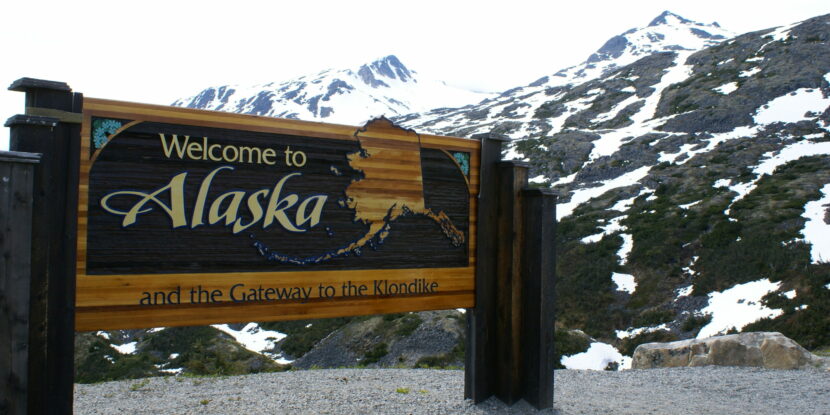
Image by James Brooks.

Join Pulse+ to comment below, and receive exclusive e-mail analyses.
show less
show more

Trump Reverses Biden’s Alaska Drilling Restrictions.

PULSE POINTS

WHAT HAPPENED: The Trump administration finalized a rule revoking Biden-era restrictions on oil and gas drilling in Alaska.

👤WHO WAS INVOLVED: The Department of the Interior (DOI), President Donald J. Trump, and North Slope community leaders in Alaska

📍WHEN & WHERE: Announced on November 13, 2025, impacting the National Petroleum Reserve in Alaska.

💬KEY QUOTE: “By rescinding the 2024 rule, we are following the direction set by President Trump to unlock Alaska’s energy potential, create jobs for North Slope communities and strengthen American energy security.” – Doug Burgum

🎯IMPACT: The move restores energy development opportunities, creates local jobs, and reduces U.S. reliance on foreign energy sources.

IN FULL

The Trump administration announced on Thursday, November 13 that it is moving to rescind a former Biden government rule restricting oil and gas drilling in Alaska. According to the Department of the Interior (DOI), the finalized rule—set to be published in the Federal Register on November 17—will reverse limits on drilling in the National Petroleum Reserve on Alaska’s North Slope.

The National Petroleum Reserve, which spans approximately 23 million acres, has been designated for energy development since 1923. However, Biden-era policies restricted drilling on over 13 million acres of this area, citing perceived environmental concerns.

Conversely, the DOI now aims to restore drilling to enhance U.S. energy security and reduce dependence on foreign sources. This, the department argues, will bring federal energy policy further into alignment with President Donald J. Trump’s Executive Order to expand natural resource development on federal and state lands in Alaska.

“By rescinding the 2024 rule, we are following the direction set by President Trump to unlock Alaska’s energy potential, create jobs for North Slope communities, and strengthen American energy security,” said Secretary of the Interior Doug Burgum. He added that the action promotes responsible development while benefiting both Alaska and the nation.

Local support for the decision came from the Voice of the Arctic Inupiat, a nonprofit representing North Slope communities, which highlighted the benefits of tax revenue for essential services. North Slope Borough Mayor Josiah Patkotak called the move a “meaningful step toward restoring a federal process” that respects local leadership. “Good policy comes from good process, which requires hearing directly from the people who live, work, and hunt here,” Patkotak stated.

Far-left green agenda groups, such as the Natural Resources Defense Council (NRDC), have criticized the rollback. Bobby McEnaney, NRDC director of land conservation, said, “This rollback is nothing more than a giveaway to the oil and gas industry. Weakening protections is reckless, and it threatens to erase the very landscapes Congress sought to safeguard.”

Image by Richard Martin.

Join Pulse+ to comment below, and receive exclusive e-mail analyses.
show less
show more

Kremlin Suggests Musk-Built ‘Putin-Trump Tunnel’ Linking Russia to Alaska, Trump Responds.

PULSE POINTS

WHAT HAPPENED: A Kremlin envoy proposed a rail tunnel between Russia and Alaska, suggesting it could be built by Elon Musk’s Boring Company.

👤WHO WAS INVOLVED: Kirill Dmitriev, Elon Musk, Russian President Vladimir Putin, and President Donald J. Trump.

📍WHEN & WHERE: The proposal was floated on X (formerly Twitter), following discussions between Putin and Trump in Alaska in August.

💬KEY QUOTE: “Elon Musk, imagine connecting the U.S. and Russia, the Americas and Afro-Eurasia, with the Putin-Trump Tunnel – a 70-mile link symbolising unity.” – Kirill Dmitriev

🎯IMPACT: The proposal aims to connect continents and promote economic and political collaboration, though challenges related to logistics and the Ukraine war make it appear unlikely.

IN FULL

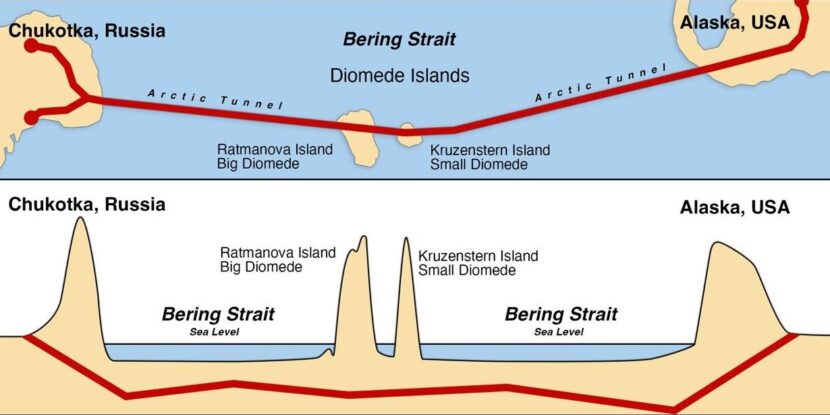
A senior Russian official has proposed building a tunnel beneath the Bering Strait to connect the Russian Far East with Alaska, reviving a decades-old vision of linking Eurasia and North America. Kirill Dmitriev, Moscow’s special envoy for economic and investment cooperation, introduced the idea on social media, referring to the project as the “Putin-Trump Tunnel.” The 70-mile rail link, he claimed, could be constructed in just eight years using tunneling technology developed by Elon Musk’s Boring Company.

Dmitriev said the project could cost as little as $8 billion, far below traditional estimates of around $65 billion, and could be jointly funded by Russia and international partners. He presented the tunnel as a symbolic and strategic project, saying it would unite Russia and the United States while enabling shared access to Arctic resources. “Elon Musk, imagine connecting the U.S. and Russia, the Americas and Afro-Eurasia, with the Putin-Trump Tunnel – a 70-mile link symbolising unity,” Dmitriev posted on X. He added that it would establish Musk’s Boring Company as “the most exciting infrastructure innovator ever.”

Dmitriev’s tunnel idea echoes earlier visions of a transcontinental link between Siberia and Alaska, including the so-called “World Peace Bridge” proposed in the 1960s. Asked about the tunnel during a press event alongside Ukrainian President Volodymyr Zelensky on Friday, President Donald J. Trump called the proposal “interesting,” while Zelensky said he was “not happy” about it.

Notably, the tunnel suggestion comes amid renewed dialogue between President Donald J. Trump and Russian President Vladimir Putin over the Ukraine war. The two met in Alaska in August, where they discussed a possible ceasefire in Ukraine and a framework for future negotiations.

Recent reports indicate the meeting was fractious, with Putin engaging in a “rambling historical discursion spanning medieval princes such as Rurik of Novgorod and Yaroslav the Wise, along with the 17th-century Cossack chieftain Bohdan Khmelnytsky… to support his claim Ukraine and Russia are one nation.” Trump is said to have been unimpressed by Putin’s intransigent attitude, raising his voice “several times.”

More recently, however, Trump has agreed to a second meeting with Putin, with Hungarian Prime Minister Viktor Orbán saying it will be hosted in Budapest.

Join Pulse+ to comment below, and receive exclusive e-mail analyses.
show less
show more

Super Typhoon Could Trigger Unprecedented Weather Turmoil on U.S. West Coast.

PULSE POINTS

WHAT HAPPENED: Typhoon Halong, which narrowly missed Japan, is expected to influence weather patterns across the Pacific and western United States, potentially causing hazardous conditions.

👤WHO WAS INVOLVED: Meteorologists, the National Weather Service (NWS), and residents in Japan, Alaska, and the western U.S. are monitoring the storm’s effects.

📍WHEN & WHERE: The typhoon formed in the Northwest Pacific Ocean this week, with potential impacts expected in the western U.S. starting early next week.

🎯IMPACT: Heavy rain, snow, and potential flooding are expected in California and other western states, with ongoing weather model uncertainties.

IN FULL

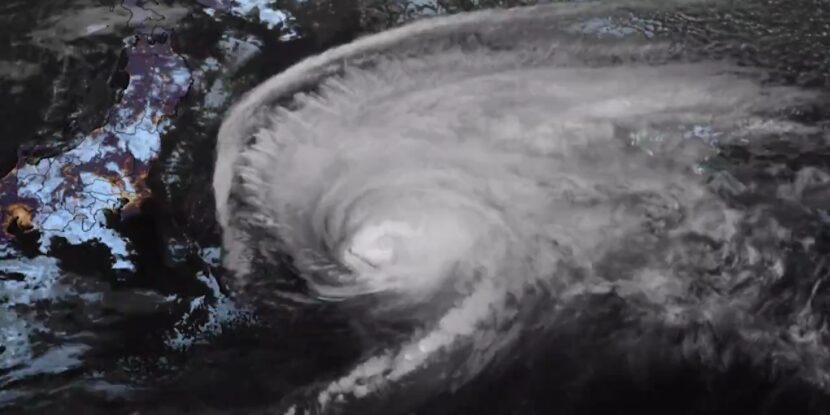
A super typhoon named Halong, which narrowly missed Japan this week, is expected to detrimentally influence weather patterns across the Pacific and western United States. While Tokyo avoided what could have been the equivalent of a Category 4 hurricane, meteorologists warn that the storm’s remnants could drive heavy rain and snow in California by early next week.

As Typhoon Halong moves into the North Pacific, it is predicted to energize the jet stream, intensifying storms along its path. The National Weather Service (NWS) noted that the storm could produce hurricane-force winds in Alaska’s Bering Sea, drawing comparisons to Typhoon Merbok in 2022, which caused significant damage in the region.

Forecasts suggest that the typhoon’s energy could push subarctic air southward into Washington, Oregon, and California by Monday. If this coincides with a coastal storm, Northern California might experience significant rainfall in the Bay Area and several feet of snow in the Sierra Nevada mountains. However, meteorologists caution that recurving typhoons make weather predictions less precise, and forecasts are subject to change.

Meanwhile, Hurricane Priscilla is moving north in the Pacific, with its path expected to affect southern California and Arizona. The National Hurricane Center (NHC) has issued warnings for several southwestern states, including New Mexico, Colorado, Utah, and Nevada, which could see heavy rain and flash flooding from the storm’s moisture.

Join Pulse+ to comment below, and receive exclusive e-mail analyses.
show less
show more

BREAKING: Trump Greets Putin in Alaska.

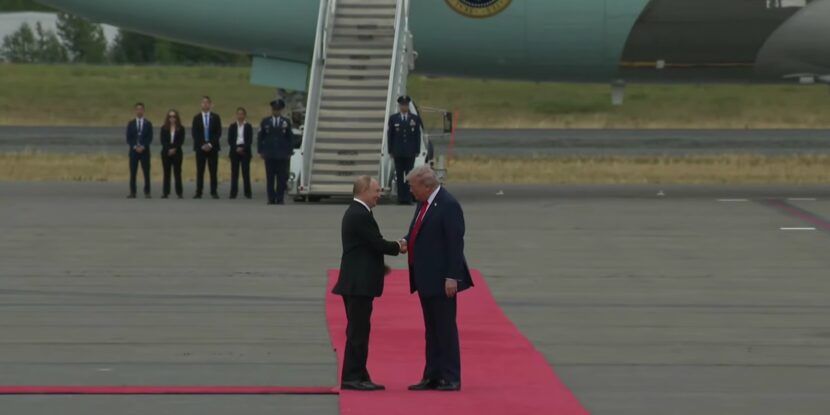
President Donald J. Trump has greeted Russian President Vladimir Putin in Alaska, where the two leaders are expected to discuss a ceasefire in Ukraine and a possible deal on nuclear arms control.

Initial reports indicated that the pair would meet one-on-one, with only interpreters present, but the White House has since advised that Secretary of State Marco Rubio and Special Envoy Steve Witkoff will join President Trump. President Putin will also be joined by Russian officials, possibly including Minister of Foreign Affairs Sergey Lavrov, who arrived in Alaska earlier in the day.

Trump said en route to Alaska that he is not sure a deal can be struck today, but added he is “not going to be happy if it’s not today.” He added, “Everyone said it can’t be today—but I want the killing to stop.”

“I’m not doing this for my health, OK?” Trump told reporters. “I don’t need it. I’d like to focus on our country, but I’m doing this to save a lot of lives.”

Trump has indicated that the meeting could be cut short if Putin tries stonewalling him, warning, “If he doesn’t want to cooperate, then I’m gone.”

This story is developing…

Join Pulse+ to comment below, and receive exclusive e-mail analyses.

show less
President Donald J. Trump has greeted Russian President Vladimir Putin in Alaska, where the two leaders are expected to discuss a ceasefire in Ukraine and a possible deal on nuclear arms control. show more

What to Expect From Trump-Putin Alaska Summit:

President Donald J. Trump will meet Russian President Vladimir Putin in Alaska today—aiming to jumpstart a deal to end the Ukraine war.

The details: The heads of state will meet at Joint Base Elmendorf-Richardson in Anchorage at 3:30 PM ET. Their itinerary includes:

  • 1-on-1 meeting with interpreters only
  • Working lunch with delegations
  • Joint press conference

I wouldn’t be surprised to see a quick, impromptu photo-op/press gaggle before the 1-on-1.

Zoom out: Since taking office, just over 200 days ago, Trump has not been shy about his efforts to end the war in Ukraine. At times, he has voiced his frustrations with both parties—Putin and Ukrainian President Volodymyr Zelensky.

Why meet with Putin? Trump’s critics—both Democrats and RINOs—oppose his decision to meet with Putin. But Secretary of State Marco Rubio defended him, saying,

  • “The president feels like, ‘Look, I’ve got to look at this guy across the table. I need to see him face-to-face. I need to hear him one-on-one. I need to make an assessment by looking at him.”

What are the odds of a deal? Trump told Fox News Radio: “There is a 25 percent chance this meeting will not be a successful meeting.”

What is Putin saying? On the eve of these historic talks, the Russian leader said Trump “is making, in my opinion, quite energetic and sincere efforts to stop the fighting, stop the crisis and reach agreements that are of interest to all parties involved in the conflict.”

What’s Zelensky up to? He flew to London yesterday to meet with British Prime Minister Keir Starmer. Starmer’s office said the Trump-Putin summit presents “a viable chance to make progress.”

The numbers: A new Gallup poll found that 69 percent of Ukrainians support seeking a negotiated peace to end the war as soon as possible—up from just 27 percent in 2023. Just 24 percent want to continue fighting.

The goal: The White House has already stated publicly that it does not expect to walk out of Anchorage with a deal. However, a senior official told Politico that Trump is “intent on delivering the beginnings of peace.”

What would happen next? Trump says, if the meeting goes well, he will return to D.C. and look to schedule a summit with Putin, Zelensky, and European leaders. If it doesn’t go well, he is “not calling anybody.”

Hillary said what? Failed presidential nominee Hillary Clinton recently said: “[H]onestly, if he could bring about the end to this terrible war… without putting Ukraine in a position where it had to concede its territory… I’d nominate him for a Nobel Peace Prize.”

Real talk from G: Temper your expectations for today’s meeting. But don’t temper your appreciation for a president who is genuinely working to bring peace.

Be sure to subscribe to the Wake Up Right newsletter! 

show less
President Donald J. Trump will meet Russian President Vladimir Putin in Alaska today—aiming to jumpstart a deal to end the Ukraine war. show more

Putin Lauds ‘Energetic and Sincere’ Trump, Foresees Deal on Nukes in Alaska.

PULSE POINTS

WHAT HAPPENED: Russian President Vladimir Putin praised the Trump administration for its efforts to end the conflict in Ukraine and expressed optimism about upcoming meetings on nuclear arms control.

👤WHO WAS INVOLVED: Russian President Vladimir Putin, U.S. President Donald J. Trump, and senior officials from both nations.

📍WHEN & WHERE: Meetings between Trump and Putin are set to take place in Anchorage, Alaska, on Friday, following remarks by Putin on Thursday.

💬KEY QUOTE: “The current American administration… is making, in my opinion, quite energetic and sincere efforts to stop the hostilities, stop the crisis and reach agreements that are of interest to all parties involved in this conflict,” Putin said.

🎯IMPACT: The potential for a peace deal hinges on agreements over Ukraine and nuclear arms control.

IN FULL

Russian President Vladimir Putin praised the Trump administration on Thursday for its “energetic” and “sincere” efforts to end the war in Ukraine. Speaking at a press briefing, he voiced optimism about planned meetings in Anchorage, Alaska, which he said could establish “long-term conditions for peace between our countries, as well as in Europe, and in the world as a whole.”

“The current American administration… is making, in my opinion, quite energetic and sincere efforts to stop the hostilities, stop the crisis and reach agreements that are of interest to all parties involved in this conflict,” the Russian leader continued, also stressoing the need for nuclear arms control agreements, referencing the 2011 New START treaty, which limits strategic nuclear weapons but is due to expire in 2026. Trump has often expressed his view that “nuclear warming” is the greatest threat facing mankind.

President Donald J. Trump appears hopeful that a deal can be reached, but he has voiced skepticism over Putin’s intentions in recent weeks. “We get a lot of bulls**t thrown at us by Putin, if you want to know the truth,” Trump said last month, adding: “He’s very nice all of the time, but it turns out to be meaningless.” He has also warned of “severe consequences” for Russia if the Ukraine conflict continues, including sweeping secondary sanctions on its trading partners.

Trump has said he believes the Alaska meeting “sets up the second meeting,” where the details of a peace deal can be hammered out—”but there is a 25 percent chance that this meeting will not be a successful meeting.”

The America First leader has said he expects press conferences following the meeting, although they may be separate rather than joint “if the meeting doesn’t end well.”

Join Pulse+ to comment below, and receive exclusive e-mail analyses.

show less
show more

Russia Breaks Through on Battlefield Ahead of Trump-Putin Alaska Summit.

PULSE POINTS

WHAT HAPPENED: Russian forces have achieved a significant breakthrough in eastern Ukraine, advancing past Ukrainian defensive lines near the frontline city of Pokrovsk.

👤WHO WAS INVOLVED: Russian forces, Ukrainian forces, and Ukrainian President Volodymyr Zelensky. Russian President Vladimir Putin and U.S. President Donald J. Trump are set to meet in Alaska soon.

📍WHEN & WHERE: The breakthrough occurred north of Pokrovsk, near Dobropillia, in the Donetsk region of Ukraine.

🎯IMPACT: The advance risks isolating Ukrainian forces and could have significant implications for the ongoing conflict and the upcoming Alaska summit.

IN FULL

Russian forces have achieved a significant breakthrough in eastern Ukraine, just days before a planned Alaskan summit between Russian President Vladimir Putin and U.S. President Donald J. Trump. The advance took place in a critical area along the front line, north of the embattled city of Pokrovsk.

According to reports, Russian direct reconnaissance groups (DRGs) penetrated Ukrainian defensive positions east of Dobropillia, a vital logistics hub supplying the Ukrainian front. Deepstate Maps, an online real-time battlefield map aligned with the Ukrainian government, and several independent war mappers have confirmed the offensive. Russian troops are believed to have advanced as far as eight miles, one of the largest single-day advances in recent years.

As of the time of publication, there is no confirmation as to whether Russian troops have severed the strategically vital highway between Dobropillia and the fortress city of Kramatorsk, a key supply route for the Ukrainian military. The situation on the ground could change, with the potential for a broader Russian push that could see Ukrainian forces trapped in an encirclement across much of the Donbass front.

Many war mappers believe that Pokvosk, a vital logistics hub for the entire Donetsk front, is either already encircled or close to becoming encircled, with few major arteries in and out of the city either not directly under Russian control or within range of Russian bombardment. Notably, the coking coal mine that fueled much of Ukraine’s steel industry is also located at Pokrovsk, so its loss would also deal a major long-term blow to the Ukrainian economy.

These developments come ahead of a planned summit between U.S. President Donald J. Trump and Russian President Vladimir Putin in Alaska. The two are expected to discuss possible ceasefire terms, including, according to President Trump, “some swapping, changes in land” between Ukraine and Russia.

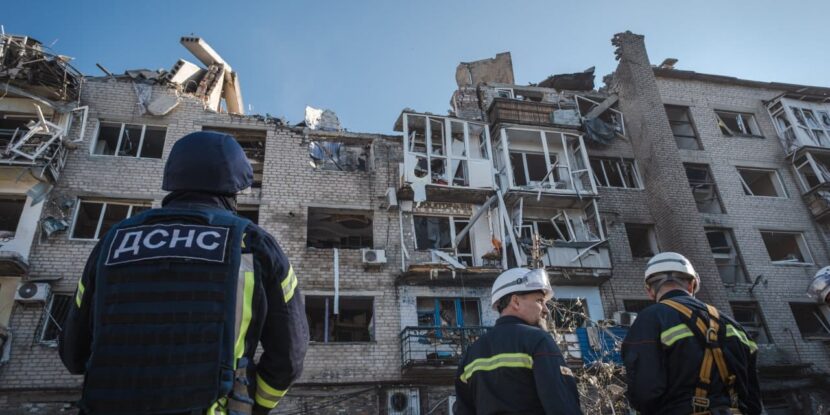
Image by Dsns.gov.ua.

Join Pulse+ to comment below, and receive exclusive e-mail analyses.

show less
show more

Drill, Baby, Drill: Trump to Unlock 82% of Alaskan Petroleum Reserve.

PULSE POINTS

WHAT HAPPENED: The Department of Interior (DOI) has proposed reopening up to 82 percent of the National Petroleum Reserve in Alaska (NPR-A) for oil and gas leasing and development.

👤WHO WAS INVOLVED: The Department of Interior, Acting Assistant Secretary Adam Suess, Interior Secretary Doug Burgum, and the American Petroleum Institute (API).

📍WHEN & WHERE: The draft analysis was released on June 17, 2025. The NPR-A spans 23 million acres in Alaska.

💬KEY QUOTE: “Under President Trump’s leadership, we’re cutting red tape and restoring commonsense policies that ensure responsible development and good stewardship of our public lands.” – Adam Suess.

🎯IMPACT: The proposal aims to boost domestic energy production, create jobs, and reduce dependence on foreign oil while reversing Biden-era restrictions.

IN FULL

The Department of the Interior (DOI) has released a draft analysis proposing reopening up to 82 percent of the 23-million-acre National Petroleum Reserve in Alaska (NPR-A) to oil and gas leasing. Initially set aside as an emergency oil supply for the U.S. Navy in 1923, the reserve was transferred to the DOI’s Bureau of Land Management (BLM) in 1976.

In 2022, the Biden government closed nearly half of the NPR-A to oil and gas drilling, reversing policies from the first Trump administration aimed at boosting energy development. The new DOI proposal reverses these restrictions as part of President Donald J. Trump’s policy push toward regulatory reform and “unleashing American energy dominance.”

Acting Assistant Secretary for Land and Minerals Management Adam Suess emphasized the importance of the plan, stating, “Under President Trump’s leadership, we’re cutting red tape and restoring commonsense policies that ensure responsible development and good stewardship of our public lands.” Interior Secretary Doug Burgum criticized a second 2024 Biden-era rule—which closed even more of the NPR-A to drilling—as prioritizing “obstruction over production” and undermining energy independence.

The Biden government’s 2024 rule had closed approximately 11 million acres of the reserve to oil and gas extraction and restricted construction on an additional two million acres. The DOI’s latest proposal includes rescinding both the 2022 and  2024 Biden-era rules. “Congress was clear: the National Petroleum Reserve in Alaska was set aside to support America’s energy security through responsible development,” Burgum stated.

The American Petroleum Institute (API)—the largest U.S. trade association for the oil and gas industry—welcomed the move, calling the Biden regulations “misguided.”

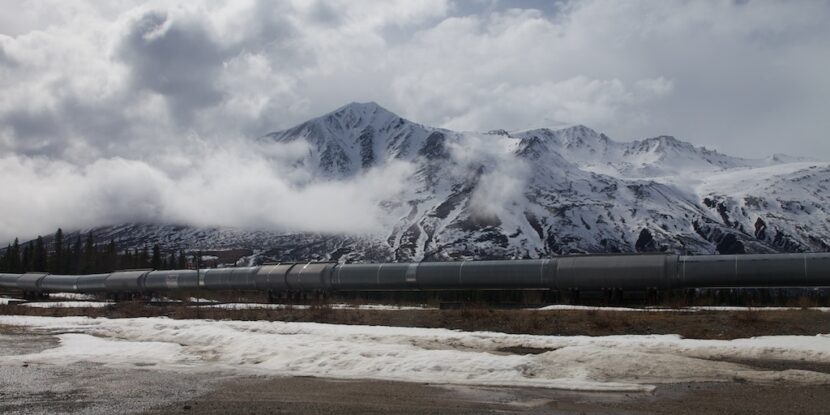
Image by Malcolm Manners.

Join Pulse+ to comment below, and receive exclusive e-mail analyses.

show less
show more

RINO Senator Vows to Fight Trump’s DOGE Because Firing Bureaucrats Is ‘Traumatizing.’

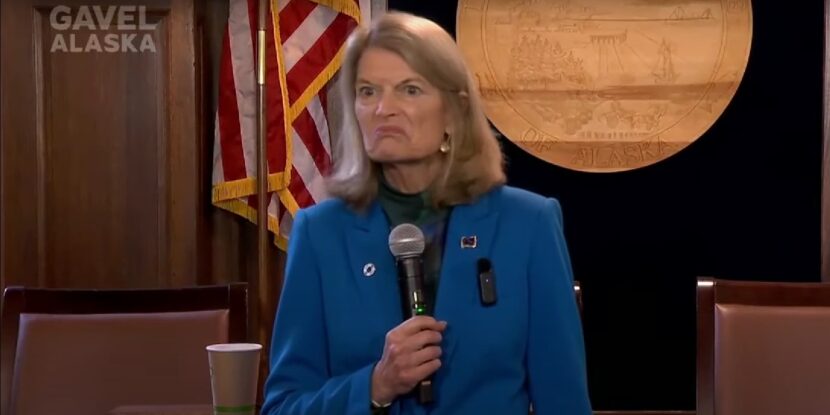
Senator Lisa Murkowski (R-AK), a vocal critic of President Donald J. Trump and the Department of Government Efficiency (DOGE) within the Republican Party, addressed a potential primary challenge funded by DOGE frontman Elon Musk during a press conference in Juneau, Alaska, on Tuesday. Murkowski, known for her Republican-in-name-only (RINO) stances that often frustrate her Senate Republican colleagues, struck a defiant tone regarding a potential primary threat.

“It may be that Elon Musk has decided he’s going to take the next billion dollars that he makes off of Starlink and put it directly against Lisa Murkowski,” the Alaska Republican said, referring to herself in the third person. Murkowski continued: “And you know what? That may happen. But I’m not giving up one minute, one opportunity, to try to stand up for Alaskans.”

Murkowski also commented on what she perceives as her GOP colleagues’ reticence to voice opposition to President Trump and his White House, attributing this silence to fears of facing primary challenges. “They’re looking at how many things are being thrown at me, and it’s like, ‘Maybe I just better duck and cover,'” she remarked.

Regarding DOGE, Murkowski reiterated her disapproval of recent cost-cutting measures, citing them as a source of undue “anxiety.” She criticized the supposedly indiscriminate and, in her view, sometimes unlawful termination of federal employees in Alaska, claiming they are “traumatizing people” and “leaving holes in our communities.”

Notably, Murkowski has faced little political opposition in Alaska since her write-in defeat of Republican Joe Miller in 2010. Alaska’s ranked-choice voting system—which Murkowski pushed to implement—gives her an additional edge in the state, allowing her to draw support from political moderates and Democrats.

Nonetheless, she acknowledged the potential influence of Musk’s capital, with his super PAC—America PAC—declaring its intent to actively participate in future primaries aimed at unseating Republicans who are insufficiently aligned with Trump’s Make America Great Again (MAGA) agenda.

WATCH:

show less
Senator Lisa Murkowski (R-AK), a vocal critic of President Donald J. Trump and the Department of Government Efficiency (DOGE) within the Republican Party, addressed a potential primary challenge funded by DOGE frontman Elon Musk during a press conference in Juneau, Alaska, on Tuesday. Murkowski, known for her Republican-in-name-only (RINO) stances that often frustrate her Senate Republican colleagues, struck a defiant tone regarding a potential primary threat. show more