




Monday, February 23, 2026

AI Data Centers Overwhelm Power Grid, Sparking Supply Crisis and Rate Hikes.

PULSE POINTS

❓WHAT HAPPENED: PJM, the largest power-grid operator in the U.S., is facing a supply crisis due to the rising demand from artificial intelligence (AI) data centers.

👤WHO WAS INVOLVED: PJM, tech companies like Amazon, Alphabet, Microsoft, and state officials.

📍WHEN & WHERE: January 2026, affecting a 13-state region from New Jersey to Illinois.

đź’¬KEY QUOTE: “The reliability risk is across the street.” – Former Federal Energy Regulatory Commission (FERC) chairman Mark Christie

🎯IMPACT: Potential for rolling blackouts and increased electricity rates for consumers.

IN FULL

The United States is experiencing a significant strain on its largest power grid operator, PJM, due to the increasing demand from artificial intelligence (AI) data centers. These centers, particularly concentrated in Northern Virginia, are consuming vast amounts of electricity, pushing the grid towards a potential supply crisis.

PJM serves a 13-state region spanning from New Jersey to Illinois, supplying power to approximately 67 million people. However, as older power plants are decommissioned faster than new ones can be built, the grid is quickly nearing its capacity limits, especially during periods of high demand. This situation may force PJM to implement rolling blackouts during extreme weather conditions to protect the grid infrastructure.

Former Federal Energy Regulatory Commission (FERC) chairman Mark Christie highlighted the immediacy of the threat, stating, “The reliability risk is across the street.” PJM anticipates a 4.8 percent annual increase in power demand over the next decade, a stark contrast to previous years of stagnant growth.

The increase in electricity rates has angered consumers, while tech giants like Amazon, Alphabet (Google’s parent company), and Microsoft resist proposals requiring data centers to either build their own power sources or reduce operations during demand spikes. It is worth noting that Microsoft has partnered with energy provider Constellation Energy to reopen the functional nuclear reactor at Three Mile Island, which will be used, in part, to power its AI operations. However, the issue of strain on the physical grid infrastructure remains.

Efforts to address the grid’s challenges have stalled due to disagreements among PJM executives, tech companies, and power suppliers. An independent electrical market monitor has called for federal intervention, warning that without sufficient power infrastructure, PJM may have to allocate blackouts instead of ensuring reliability.

Join Pulse+ to comment below, and receive exclusive e-mail analyses.
show less
show more

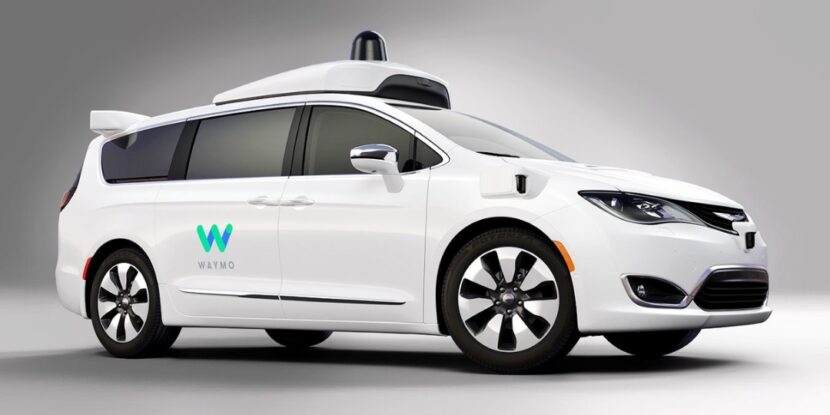
Feds Scrutinize Self-Driving ‘Ubers’ After Spate of Accidents.

Alphabet Inc. subsidiary Waymo is facing a federal investigation over safety issues in its self-driving robotaxis. These autonomous vehicles utilize advanced technologies to navigate without human drivers. However, the safety of these vehicles has come under question following more than 20 accidents, including incidents involving bicyclists and pedestrians.

Waymo operates self-driving taxis in San Francisco, Los Angeles, and Phoenix, with planned expansions into Austin, Texas. However, the National Highway Traffic Safety Administration (NHTSA) has initiated an investigation to evaluate the compliance of Waymo’s systems with traffic regulations and overall safety performance.

This investigation could have broader implications for the self-driving car industry. It might address wider safety and reliability concerns, which remain prevalent among the general public. In fact, a significant portion of the U.S. population — approximately 75 percent — supports Congressional intervention to halt the proliferation of self-driving vehicles.

Self-driving cars operate through a combination of sensors, perception systems, decision-making algorithms, and controls. They utilize cameras, lidar, radar, and ultrasonic sensors to gather environmental data, which is processed to identify objects, determine the vehicle’s location, and plan routes. Decision-making algorithms then navigate the vehicle safely by planning paths, predicting the behavior of other road users, and assessing risks. The car’s movements are controlled through actuators that manage steering, acceleration, and braking.

The current investigation into Waymo may influence public perceptions and regulatory approaches towards self-driving technology. It underscores the concerns regarding the readiness of these vehicles for widespread use. While self-driving cars aim to reduce human error, their technology is not foolproof and can lead to accidents. Elon Musk’s Tesla is currently also facing a federal investigation for misleading the public about its vehicles’ “autopilot” feature.

show less
Alphabet Inc. subsidiary Waymo is facing a federal investigation over safety issues in its self-driving robotaxis. These autonomous vehicles utilize advanced technologies to navigate without human drivers. However, the safety of these vehicles has come under question following more than 20 accidents, including incidents involving bicyclists and pedestrians. show more