




Monday, February 23, 2026

Human Remains Discovered in Washington, D.C. Park.

PULSE POINTS

❓WHAT HAPPENED: Human remains were uncovered during construction at Volta Park in Georgetown, halting renovation work.

👤WHO WAS INVOLVED: Georgetown residents, construction crews, the D.C. Department of Parks and Recreation (DPR), and the D.C. Archaeologist.

📍WHEN & WHERE: Volta Park, Georgetown, with the human remains first discovered last summer.

đź’¬KEY QUOTE: “They have been left exposed for months, through rain and snow, and I have even seen dogs running over them. There are no tarps or coverings on the piles at all,” wrote a concerned resident to Popville.

🎯IMPACT: The site has been secured, and plans are underway to respectfully reinter the remains and complete renovations by spring 2026.

IN FULL

During construction at Volta Park in Georgetown this past summer, work came to a halt when human remains were discovered. Crews uncovered bones during renovation efforts, which were then collected and submitted to the D.C. Archaeologist‘s office for analysis.

Local residents raised concerns last week, writing to the neighborhood blog Popville about the lack of proper covering for the remains still in the park. One resident shared, “They have been left exposed for months, through rain and snow, and I have even seen dogs running over them. There are no tarps or coverings on the piles at all.”

Finally, last week, the human remains were covered with a tarp, and the site was marked with yellow flags. The Washington, D.C. Department of Parks and Recreation (DPR) issued a statement confirming the site had been secured and that they are working with the D.C. Archaeologist and contracted archaeologists to develop a plan for respectfully reinterning the disarticulated remains.

“DPR anticipates completing drainage work by the end of winter, with field restoration underway for a spring reopening once the grass is established,” the statement read, concerning the timeline for the conclusion of renovations to the park. Volta Park is situated on the grounds of the former Presbyterian Burying Ground, a historic cemetery.

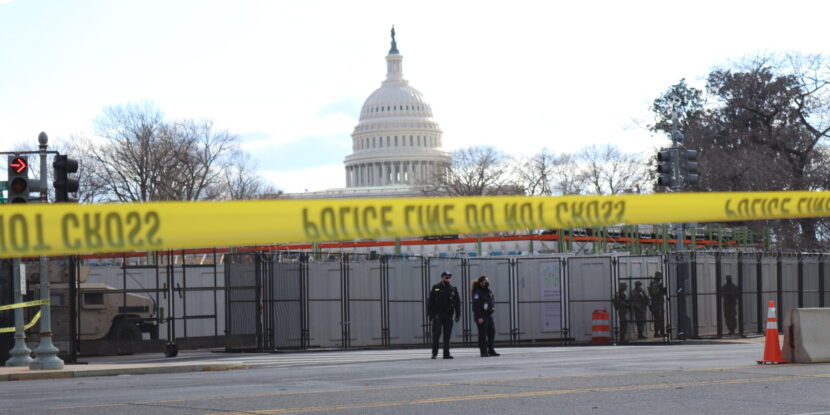
Image by Elvert Barnes.

Join Pulse+ to comment below, and receive exclusive e-mail analyses.
show less
show more

Researchers Claim to Have Found Noah’s Ark.

PULSE POINTS:

âť“What Happened: A geological formation near Mount Ararat in Turkey is being studied by researchers who believe it could be the remains of Noah’s Ark.

👥 Who’s Involved: Independent researchers from Noah’s Ark Scans, including Andrew Jones and William Crabtree.

📍 Where & When: Durupinar Formation, 18 miles south of Mount Ararat, Turkey. Recent findings published in May 2025.

đź’¬ Key Quote: “This is not what you’d expect to see if the site were simply a solid block of rock or the result of random mudflow debris,” said Andrew Jones.

⚠️ Impact: The findings could provide evidence supporting the Biblical account of Noah’s Ark, sparking renewed debate over the site’s origins.

IN FULL:

Researchers from Noah’s Ark Scans have unveiled findings from the Durupinar Formation, a site in Turkey believed by some to be the resting place of Noah’s Ark. Using ground-penetrating radar (GPR), the team identified angular structures and a 13-foot tunnel running through the center of the formation, with features resembling hallways and rooms.

Andrew Jones, an independent researcher with the project, explained that the scans revealed three distinct layers beneath the surface, consistent with the Biblical description of the Ark having three decks. “What’s left is the chemical imprint, pieces of wood, and in the ground, the shape of a hall,” Jones recently told the media.

The formation, located 18 miles south of Mount Ararat, was first revealed in 1948 after heavy rains and earthquakes washed away surrounding mud. The Bible describes Noah’s Ark as a massive wooden vessel that saved mankind and animals from a catastrophic flood over 4,300 years ago, coming to rest on the “mountains of Ararat.”

William Crabtree, another researcher, noted that soil analysis from the site revealed elevated potassium levels and higher organic matter inside the formation compared to the surrounding soil. “If this was a wooden boat and the wood had rotted over time, we would expect to see elevated levels of potassium, changes in pH, and higher organic content—and that’s exactly what we’re finding,” Crabtree stated.

The team also observed that grass within the boat-shaped formation differs in color from the surrounding area, which they suggest may indicate a man-made origin. Plans for further testing include core drilling and additional GPR scans to compare the formation’s interior with its exterior.

While some scientists argue the site is a natural geological feature, others see the findings as evidence supporting the Biblical account. Jones emphasized the importance of their ongoing work, saying, “We want to compare what’s inside the formation to what’s outside. That could give us a much clearer picture of whether this is truly something man-made.”

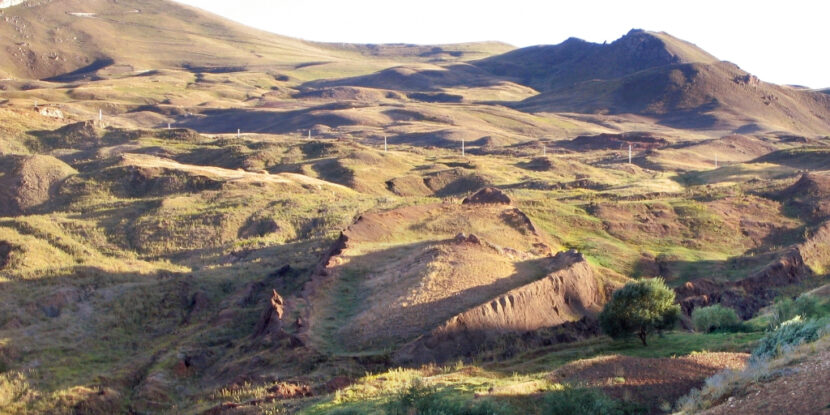
Image by Mfikretyilmaz.

show less

PULSE POINTS:

show more

Archaeologists Recently Found The Lost Artifacts of America’s First Soldiers.

Archaeologists have made a remarkable discovery in Colonial Williamsburg, uncovering barracks believed to have been constructed by the Continental Army during the American Revolutionary War. Experts assert these barracks were built between 1776 and 1777 and were eventually razed by British forces under General Charles Cornwallis in 1781.

The find came as construction crews prepared a site for a new sports center on property managed by the Colonial Williamsburg Foundation. Initial investigations by an archaeology team, guided by 18th-century maps and period documents, quickly showed the potential for an extraordinary historical revelation.

The four-acre site is already yielding valuable artifacts that shed light on the daily lives of Continental soldiers. Among the items recovered are bricks, an entire chimney base, various gun components, lead musket balls bearing toothmarks, high-quality ceramics, and personal belongings likely linked to officers.

“Archaeological evidence of continental barracks in Virginia is rare,” the Colonial Williamsburg Foundation highlighted in a blog post. “This site, occupied from 1777 to 1781, is particularly valuable since it was built and utilized solely for military purposes. Moreover, much of the site has remained largely untouched since its destruction.”

Only a small segment of the site has been excavated so far, prompting planners to adjust the location of the sports center to ensure future archaeological work can proceed. Archaeologists are optimistic about further discoveries, as the relatively undisturbed nature of the site promises more insights into 18th-century military life. The barracks were intended to accommodate 1,000 soldiers but ended up housing up to 2,000, along with 100 horses.

show less
Archaeologists have made a remarkable discovery in Colonial Williamsburg, uncovering barracks believed to have been constructed by the Continental Army during the American Revolutionary War. Experts assert these barracks were built between 1776 and 1777 and were eventually razed by British forces under General Charles Cornwallis in 1781. show more