




Monday, February 23, 2026

Citizen Journo Says Billie Eilish Stunt Led to Lengthy Interrogation When Entering U.S.

PULSE POINTS

WHAT HAPPENED: Australian citizen journalist and Chinese Communist Party (CCP) critic Drew Pavlou is claiming that American music industry star Billie Eilish is responsible for his being denied entry to the United States.

👤WHO WAS INVOLVED: Drew Pavlou, U.S. Customs officials, and music star Billie Eilish.

📍WHEN & WHERE: The denial of entry allegedly occurred last week, February 2026.

💬KEY QUOTE: “I wouldn’t be banned from the United States but I would not be allowed to use an ESTA visa waiver again.” — Drew Pavlou

🎯IMPACT: Pavlou says he was told he was denied entry to the U.S. due to his social media posts about Eilish

IN FULL

Australian citizen journalist and Chinese Communist Party (CCP) critic Drew Pavlou is claiming that American music industry star Billie Eilish is responsible for his being denied entry to the United States. Pavlou, in an essay published Wednesday, states he planned to travel to the U.S. and test Eilish’s “theory of land ownership, which she stated at the Grammys to great applause, and take over her LA mansion with the help of Native Americans.”

“But, sadly, I was turned back at the border last weekend—my sacred and inalienable right to freedom of movement curtailed by border guards who were, I suspect, briefed about my arrival by Eilish’s team,” the Australian national claims. Pavlou says after his arrival at the airport in Los Angeles he was pulled out the customs inspection line and “taken aside to a screening room and made to wait without access to my phone for four hours. Then I was brought to a holding area, a liminal zone that they referred to as the ‘Upstairs’ unit.”

After several hours and a phone call to the Australian consulate, Pavlou says he was “called in for an interrogation at about 4 AM by Officer Martinez,” who “started his interrogation by asking me who Billie Eilish was.” The Australian anti-CCP activist goes on to allege that Martinez—presumably a U.S. customs official—stated he had reviewed “open-source information” detailing Pavlou’s planned stunt to “trespass” on Eilish’s property.

According to Pavlou, he downplayed his intended social media stunt, but the officer then shifted his line of inquiry—pressing him on his anti-CCP activism and commentary on China. “He wanted to know if I had ever attempted to blow up a Chinese government building. Whether I had previously attempted to assassinate Chinese government officials,” Pavlou stated.

Ultimately, Pavlou says he was told he was denied entry to the U.S. due to his social media posts about Eilish, alleging he was informed, “I wouldn’t be banned from the United States but I would not be allowed to use an ESTA visa waiver again.”

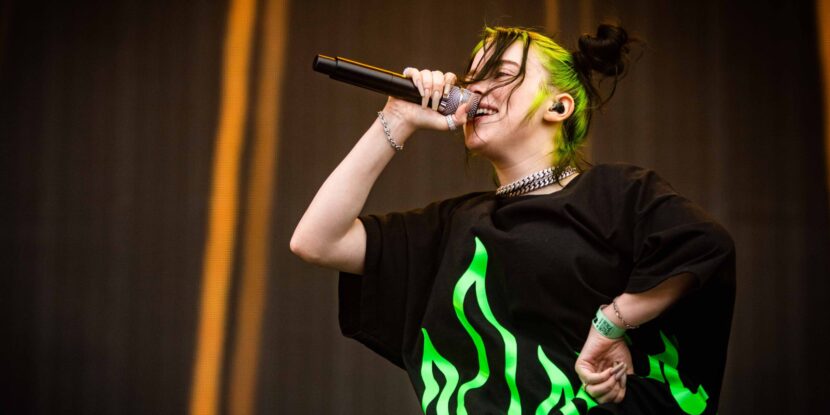
Image by crommelincklars.

Join Pulse+ to comment below, and receive exclusive e-mail analyses.
show less
show more

Trump Mulls Social Media Ban for Minors.

PULSE POINTS

WHAT HAPPENED: President Donald J. Trump is considering whether to impose restrictions on social media for minors, following similar actions taken by other nations.

👤WHO WAS INVOLVED: President Trump, First Lady Melania Trump, Lara Trump, and bipartisan members of Congress.

📍WHEN & WHERE: Discussions ongoing as of February 2026.

💬KEY QUOTE: “I’m not much of one for regulating things, but I would be very happy with a little bit of regulation in this space, just personally as a parent.” – Lara Trump

🎯IMPACT: The debate over protecting children from social media and its links to mental health problems remains ongoing, with potential regulatory measures under review by the Trump administration.

IN FULL

President Donald J. Trump may move to restrict social media access for minors under a policy inspired by similar measures enacted in countries like Australia and France, as well as in some U.S. states such as Florida. The Trump administration is believed to be considering a range of measures aimed to shield children from potential harms associated with social media platforms—an issue that has increasingly become tied to a rising global mental health crisis.

Lara Trump, the President’s daughter-in-law, confirmed during an episode of “Pod Force One” that the Trump White House has shown interest in the effects of social media on children. “I’m not much of one for regulating things, but I would be very happy with a little bit of regulation in this space, just personally as a parent,” she said, expressing concerns over how children are affected by screen time and the chemicals triggered in their brains.

In January 2026, it was revealed that Google had emailed children turning 13 with instructions on how to remove parental controls from their Google accounts, effectively allowing them to bypass parental supervision without parental consent. The policy, which allows minors to “graduate” from supervised accounts at age 13, removes safeguards such as SafeSearch filters and limits parents’ ability to monitor online activity.

Notably, First Lady Melania Trump has long been an advocate for online safety for children. Her “Be Best” initiative has focused on combating cyberbullying and the non-consensual distribution of explicit content, including deepfake imagery. However, it remains unclear whether she has directly discussed potential social media restrictions with the President.

The National Pulse reported in March 2024 that Florida Governor Ron DeSantis (R) signed H.B. 3 into law, giving parents enhanced control over their under-16 children’s use of social media and requiring age verification for several websites. Additionally, the measure mandated that social media platforms block Floridians under 14 from creating new accounts and delete any existing accounts.

Bipartisan efforts in Congress, such as the Kids Off Social Media Act (KOSMA), have also sought to limit minors’ access to social media.

Join Pulse+ to comment below, and receive exclusive e-mail analyses.
show less
show more

Police Thwart Suspected Attack Plot, Arrest 7 Near Bondi Beach.

PULSE POINTS

WHAT HAPPENED: Heavily armed Australian police detained seven men after receiving intelligence suggesting a potential violent act near Sydney’s Bondi Beach.

👤WHO WAS INVOLVED: Australian police, seven detained men, and intelligence services; the men are believed to have possible links to a prior Islamic State-inspired attack.

📍WHEN & WHERE: Arrests occurred on Thursday in southwest Sydney and near Bondi Beach, following a deadly mass shooting last weekend.

💬KEY QUOTE: “Tactical Operations police responded to information received that a violent act was possibly being planned.” – New South Wales Police

🎯IMPACT: Authorities assured the public there is no ongoing risk, though investigations continue into the group’s intentions and potential connections to prior attacks.

IN FULL

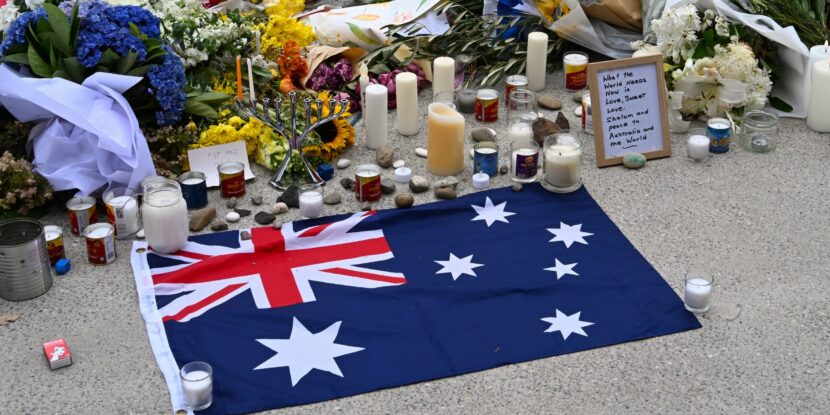
Australian police detained seven men on Thursday following intelligence indicating they were planning a “violent act.” The arrests took place in southwest Sydney and near Bondi Beach, the site of a deadly attack last weekend targeting Jews at a Hanukkah celebration.

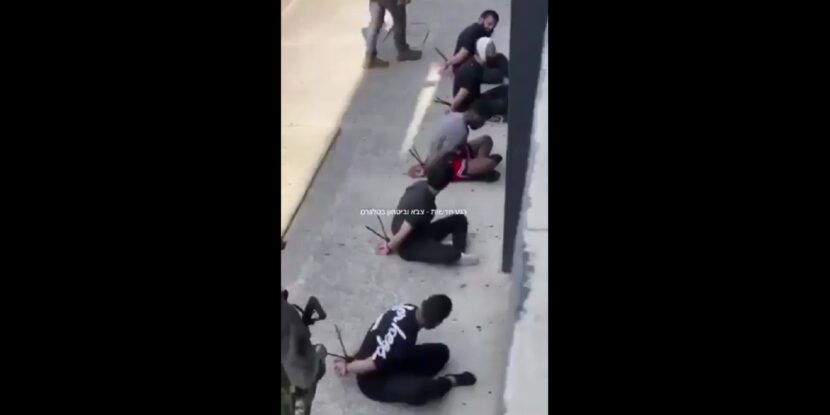
Authorities stopped a white car traveling from Victoria to Bondi Beach, using tactical operations to detain five men. Videos showed officers in camouflage gear zip-tying the suspects on a Sydney street. A second vehicle was stopped nearby, resulting in two additional arrests.

While police have not disclosed specific details about the arrests, New South Wales police confirmed they acted on intelligence about a potential violent act. “Tactical Operations police responded to information received that a violent act was possibly being planned,” officials stated.

The arrests follow a horrific attack last weekend, allegedly carried out by Sajid and Naveed Akram. The father and son are accused of killing 15 people during a Hanukkah celebration. Naveed, who pledged support for ISIS, had been previously investigated for ties to the Islamic State. Authorities say they have, so far, not identified any connection between the deadly Bondi Beach attack and Thursday’s arrests.

Local media reports that a weapon may have been recovered in one of the vehicles, though Australian police have not confirmed this.

Join Pulse+ to comment below, and receive exclusive e-mail analyses.
show less
show more

Jewish Businesses Are Shutting Down in Australia Following Bondi Beach Massacre.

PULSE POINTS

WHAT HAPPENED: A Jewish bakery in Sydney, Australia, announced its closure following a mass shooting targeting Jews at Bondi Beach, citing concerns for the safety of its staff and customers.

👤WHO WAS INVOLVED: Avner’s Bakery, owned by celebrity chef Ed Halmagyi, and the Jewish community in Sydney. The attack was allegedly carried out by Indian immigrant Sajid Akram, 50, and his 24-year-old son, Naveed Akram.

📍WHEN & WHERE: The attack occurred during a Hanukkah celebration at Bondi Beach on Sunday. Avner’s Bakery announced its closure on Wednesday.

💬KEY QUOTE: “We have made the only decision available, one that truly breaks our hearts. Avner’s is closed.” – Avner’s Bakery statement.

🎯IMPACT: The attack has prompted members of Sydney’s Jewish community to consider leaving Australia.

IN FULL

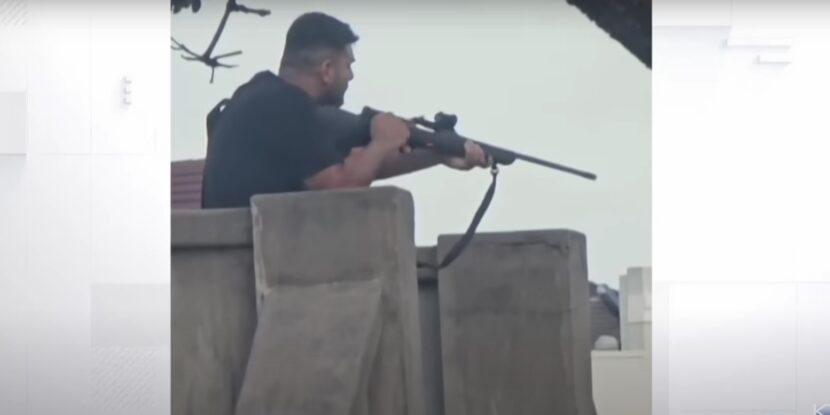
Avner’s, a Jewish bakery in Sydney, Australia, owned by celebrity chef Ed Halmagyi, has closed its doors following a mass shooting targeting Jews at Bondi Beach. The bakery cited its inability to ensure the safety of its staff and customers as the reason for the closure.

The attack, which took place during a Hanukkah celebration on Sunday, left at least 15 people dead and dozens injured. Indian immigrant Sajid Akram, 50, and his 24-year-old son, Naveed Akram, were identified as the alleged attackers. Sajid Akram was shot dead by police, while his son was critically injured and is currently in hospital under guard.

In a statement, Avner’s Bakery said it had endured “almost ceaseless antisemitic harassment, vandalism and intimidation” over the last two years. “We have made the only decision available, one that truly breaks our hearts. Avner’s is closed,” the statement read. The bakery had initially closed earlier in the week to process the events at Bondi Beach.

The attack has left Sydney’s Jewish community shaken, with some members now considering emigrating to Israel. Chavi, a 27-year-old mother who was at the event with her baby, described using her body as a shield to protect her child during the attack. “I love Australia, I was born here, and I know [Israel] is in the Middle East… but we were just sitting ducks here,” she told the Sydney Morning Herald.

Image by Sardaka.

Join Pulse+ to comment below, and receive exclusive e-mail analyses.
show less
show more

Bondi Beach Mass Shooting: Naveed Akram Faces 15 Murder Charges.

PULSE POINTS

WHAT HAPPENED: Naveed Akram, the lone surviving suspect in Sunday’s mass shooting targeting Jews at Australia’s Bondi Beach, has been charged with 59 offences, including 15 counts of murder and one of committing a terrorist act.

👤WHO WAS INVOLVED: Naveed Akram, his father Sajid Akram, who was killed, and victims, including two rabbis, a Holocaust survivor, and a 10-year-old girl named Matilda.

📍WHEN & WHERE: The attack occurred on Sunday at Bondi Beach in Sydney, targeting a Hanukkah celebration.

💬KEY QUOTE: “Police will allege in court the man engaged in conduct that caused death, serious injury and endangered life to advance a religious cause and cause fear in the community,” a New South Wales (NSW) Police statement said.

🎯IMPACT: Fifteen people were killed, and dozens were injured in the attack, which has been linked to the Islamic State (ISIS).

IN FULL

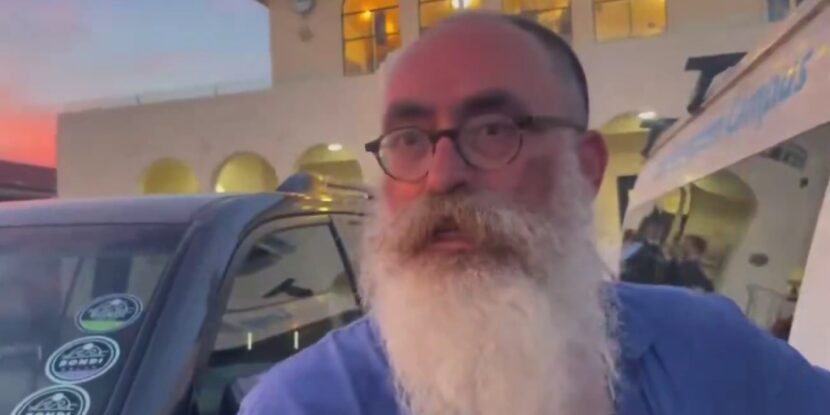
Naveed Akram, the sole surviving suspect in Sunday’s mass shooting attack at Bondi Beach in Sydney, Australia, faced charges on Wednesday for 59 offenses, including 15 counts of murder and one count of committing a terrorist act. The charges also include 40 counts of causing wounding or grievous bodily harm (GBH) with intent to murder, New South Wales Police reports.

Akram is still hospitalized and under guard after being wounded by police gunfire. His father, Sajid Akram, a 50-year-old immigrant born in India, died in a shootout with police at the scene. The attack, aimed at Australia’s Jewish community during a Hanukkah event, killed 15 people and injured many others.

The proceedings against Naveed Akram have been postponed until April 2026. Authorities have stated that the attack drew inspiration from the Islamic State (ISIS), a designated terrorist group in Australia. Two handmade Islamic State flags were found in a vehicle registered to Naveed Akram and parked close to the famous beach.

“Police will allege in court the man engaged in conduct that caused death, serious injury and endangered life to advance a religious cause and cause fear in the community,” a statement from NSW Police read. The probe, called both “massive” and “complex,” is still active.

Victims included two rabbis, a Holocaust survivor, and a 10-year-old girl named Matilda, as identified by her family. The incident has profoundly affected the Jewish community and Australian society as a whole, but left-wing Prime Minister Anthony Albanese intends to respond to it by imposing even stricter gun controls on the public rather than restricting immigration.

Join Pulse+ to comment below, and receive exclusive e-mail analyses.
show less
show more

Police ‘Froze’ During Bondi Beach Terror Attack: Eyewitness.

PULSE POINTS

WHAT HAPPENED: A terror attack at a Hanukkah celebration at Australia’s Bondi Beach left multiple dead and dozens injured, with reports of a delayed police response during the 20-minute rampage. An eyewitness alleges that the police froze during the shooting.

👤WHO WAS INVOLVED: Two gunmen, identified as father and son duo Sajid Akram and Naveed Akram, targeted attendees of the Chanukah by the Sea event.

📍WHEN & WHERE: The attack occurred on Sunday during the Chanukah by the Sea 2025 event at Bondi Beach, Sydney, Australia.

💬KEY QUOTE: “For 20 minutes. They shoot, shoot. Change magazines. And just shoot,” said eyewitness Shmulik Scuri.

🎯IMPACT: The attack, the deadliest in Australia since 1996, has sparked concerns over terrorism targeting Jewish communities and raised questions about law enforcement response times and effectiveness in a country where regular citizens cannot carry arms for self-defense.

IN FULL

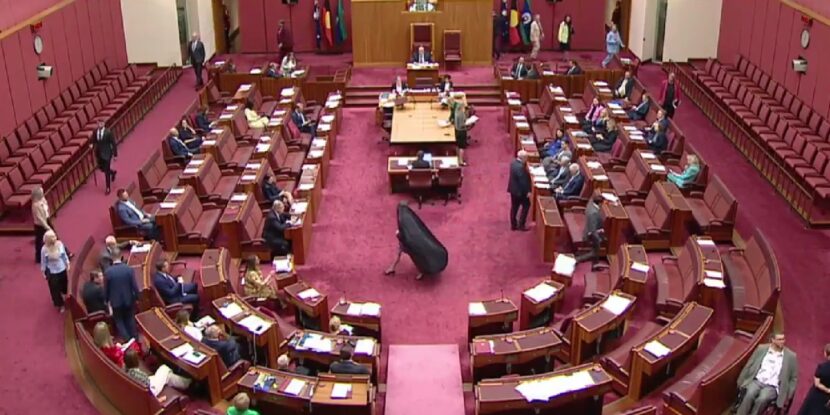
Eyewitness Shmulik Scuri has suggested that Sunday’s harrowing 20-minute attack at Bondi Beach’s Chanukah by the Sea event in Australia, in which two gunmen opened fire on a crowd of Jewish people, may have been worsened as a result of police officers at the scene appearing to freeze and initially fail to return fire.

“For 20 minutes. They shoot, shoot. Change magazines. And just shoot,” Scuri, who is Israeli, told reporters. He added, “Twenty minutes, there was four policemen there. Nobody give fire back. Nothing. Like they froze. I don’t understand why.” The attackers targeted men, women, children, and elderly people indiscriminately, according to Scuri.

Australian Prime Minister Anthony Albanese has renewed a push for greater gun control following the attack, despite the loss of life—at least in part—possibly being due to the lack of police action in the initial moments of their response to the attack. Notably, one of the gunmen was disarmed not by Australian law enforcement but by fruit shop owner Ahmed al-Ahmed. The unarmed fruit shop owner tackled the gunman and ripped away his rifle, disrupting his attack until he could rearm himself with another firearm. Still, Australian officials insist that further restricting firearms among the general law-abiding public is preferable to allowing Australians to carry firearms for self-defense.

The attack left 11 people dead, including British-born Rabbi Eli Schlanger, 41, a Holocaust survivor, and a young girl. Police later identified the attackers as Naveed Akram, 24, and his father, Pakistani immigrant Sajid Akram. Improvised explosive devices were found in their vehicle. The two men are believed to have pledged support to the Islamic State (ISIS) prior to the attack.

Authorities confirmed one of the gunmen was on the Australian Security Intelligence Organization watchlist but had not been classified as an immediate threat before the attack.

Join Pulse+ to comment below, and receive exclusive e-mail analyses.
show less
show more

Hannukah Shooters Pledged Loyalty to ISIS Before Massacre: Report.

PULSE POINTS

WHAT HAPPENED: A father and son who launched a deadly attack at Australia’s Bondi Beach during a Hanukkah celebration, killing at least 15 people, reportedly pledged loyalty to Islamic State (ISIS).

👤WHO WAS INVOLVED: Reports indicate that Naveed Akram, 24, and his father, Sajid Akram, 50, were the attackers.

📍WHEN & WHERE: The attack occurred on Sunday evening at Bondi Beach, Sydney.

💬KEY QUOTE: “The targeted attack on Jewish Australians on the first day of Hanukkah, which should be a day of joy … [was] an act of evil anti-Semitism.” – Prime Minister Anthony Albanese

🎯IMPACT: The incident is Australia’s worst mass shooting in three decades, sparking investigations into the attackers’ motives and backgrounds.

IN FULL

The father-and-son attackers who executed a deadly mass shooting at a Hanukkah celebration on Australia’s Bondi Beach on Sunday reportedly pledged allegiance to the Islamic State (ISIS). Flags for the jihadist group were discovered in their vehicle.

Pakistani immigrant Sajid Akram, 50, and his son Naveed Akram, 24, armed with rifles, killed at least 15 people—including a 10-year-old girl, a Holocaust survivor, and a London-born rabbi. Police fatally shot Sajid Akram during the incident, while Naveed Akram was critically wounded and is now under guard in a Sydney hospital.

Just weeks earlier, the pair had traveled back to Australia after a trip to Mindanao Island in the Philippines. New South Wales Police, the Australian Federal Police, and the Australian Security Intelligence Organisation are examining their activities on the island, which has long been regarded as an extremist hotspot. An Australian journalist was shot there in 2019 while reporting on battles against ISIS affiliates.

“There’s areas down there that are very dangerous… [with] training camps and the like,” a senior police source told the media on Monday. “It has become a well-trodden path for Islamic State through South East Asia and into the Philippines ever since 2019.”

Prime Minister Anthony Albanese has called the Bondi Beach shooting an “act of evil anti-Semitism.” The Australian authorities have called for public calm and no retaliatory actions.

Join Pulse+ to comment below and receive exclusive email analyses.

show less
show more

Senator Faces Outrage for Wearing Burka to Parliament, Tells Critics to Ban It If They Don’t Like It.

PULSE POINTS

WHAT HAPPENED: An Australian senator wore a burka in parliament to protest the rejection of a bill aiming to ban full-face coverings in public.

👤WHO WAS INVOLVED: Senator Pauline Hanson, leader of the populist One Nation party, Green Party Senator Mehreen Faruqi, and Foreign Minister Penny Wong.

📍WHEN & WHERE: The incident occurred in the Australian Senate on Monday.

💬KEY QUOTE: “If they don’t want me wearing it—ban the burka.” – Pauline Hanson

🎯IMPACT: The stunt has reignited debates over religious face coverings.

IN FULL

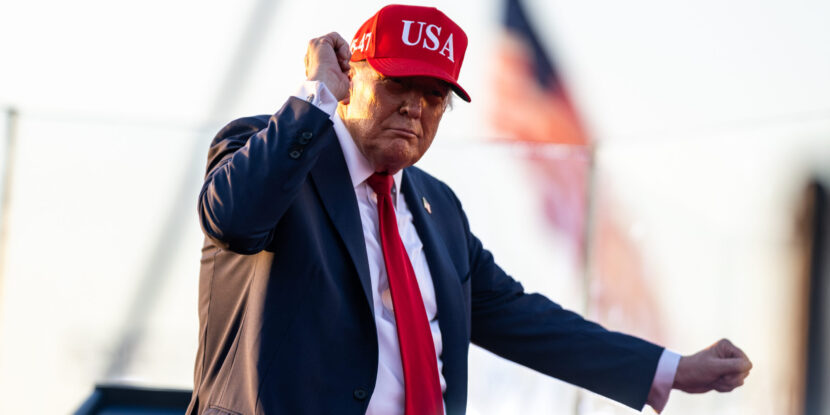
Australian populist politician Pauline Hanson, the leader of One Nation and a senator for Queensland, ignited a new round of controversy in the Australian Senate after entering the chamber wearing an Islamic burka. The gesture came moments after other senators blocked her attempt to introduce a bill seeking to prohibit full-face coverings in public places. Hanson has campaigned for such a ban for years and previously wore a burka in parliament in 2017 while pushing a similar proposal.

Leftist Green Party Senator Mehreen Faruqi denounced Hanson as “a racist senator, displaying blatant racism.” Foreign Minister Penny Wong described Hanson’s behavior as “disrespectful,” arguing that “We represent in our states, people of every faith, of every faith of all backgrounds. And we should do so decently.” Wong added that Hanson was “not worthy of a member of the Australian Senate” and moved to have her suspended when she refused to remove the garment. Hanson later responded on Facebook, writing, “If they don’t want me wearing it—ban the burka.”

The incident has revived debate over religious face coverings, against a wider international backdrop in which questions over Islam, integration, and national identity are increasingly prominent in Western discourse. In Italy, the government has proposed legislation targeting what it calls Islamic separatism, including a nationwide ban on face-covering garments such as the burka and niqab in public.

In the Dominican Republic, a lawmaker has submitted a bill that would outlaw Sharia law and halt the construction of new mosques, asserting that national security must take precedence over all other considerations.

Demographic anxieties are also surfacing in the United States, where projections suggest Christians could fall below 50 per cent of the population by mid-century as both atheism and Islam continue to grow.

Join Pulse+ to comment below, and receive exclusive e-mail analyses.
show less
show more

Rare Earths Stocks Surge as Trump-Australia Deal Cuts China Dependence.

PULSE POINTS

WHAT HAPPENED: U.S. and Australian mining companies saw significant stock gains after President Donald J. Trump and Australian Prime Minister Anthony Albanese signed a minerals deal to expand America’s rare earth supply and reduce reliance on China.

👤WHO WAS INVOLVED: President Trump, Prime Minister Albanese, and U.S.-Australian mining companies.

📍WHEN & WHERE: Monday, October 20, 2025, at the White House.

💬KEY QUOTE: “In about a year from now, we’ll have so much critical minerals and rare earths that you won’t know what to do with them.” – President Donald Trump

🎯IMPACT: Following the deal, mining companies in the U.S. and Australia saw significant market gains.

IN FULL

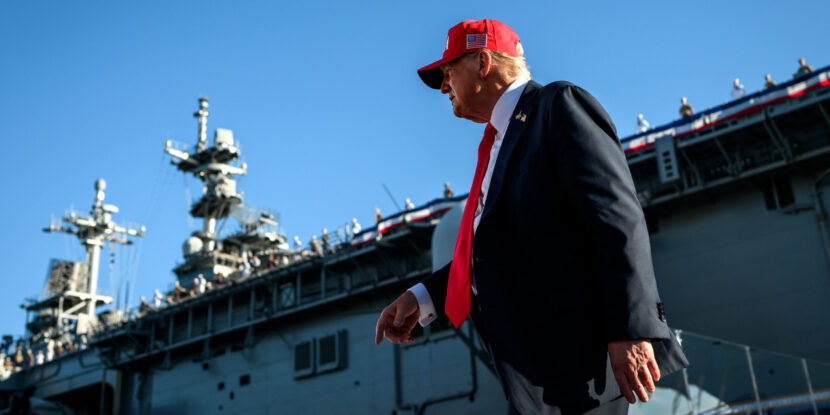
U.S. and Australian mining companies saw significant stock gains on Tuesday after the two countries inked a major rare earth minerals deal. President Donald J. Trump and Australian Prime Minister Anthony Albanese signed the agreement at the White House on Monday, which aims to expand U.S. access to rare earth mineral supply chains outside of China—the world’s largest processor of the critical metals.

Following the deal, mining companies in the U.S. and Australia saw significant market gains. Arafura Rare Earths Ltd. jumped 29 percent after the U.S. Export-Import Bank considered $300 million in financing for its Nolans project. Other beneficiaries included VHM Ltd., Northern Minerals Ltd., and Alcoa Corp., which gained as much as 9.6 percent due to equity funding for its gallium joint venture with Sojitz. Analysts highlighted the deal’s role in accelerating the development of diversified critical mineral markets.

The agreement comes as Beijing says it will enact unprecedented export controls on rare earths and metals on December 1. Beijing’s announcement prompted President Trump to threaten the imposition of a 100 percent tariff on almost all Chinese imports unless they back down from the rare earth restrictions.

Under the new export rules, foreign exporters of products containing rare earths sourced from China must obtain licenses from Beijing’s commerce ministry. According to Chinese authorities, licenses for products with “military use” will largely be denied. The rules also bar Chinese firms from cooperating in specified fields and deny export licenses to foreign entities classified as dual-use or military end users.

“In about a year from now we’ll have so much critical mineral and rare earth that you won’t know what to do with them,” Trump said yesterday  during the signing, with Albanese declaring: “We are great friends and we’re great allies.”

Join Pulse+ to comment below, and receive exclusive e-mail analyses.
show less
show more

Trump Announces Australia Pact Countering China’s Rare Earth Restrictions.

PULSE POINTS

WHAT HAPPENED: The United States and Australia signed a framework to secure critical minerals and rare earths supply chains for defense and advanced technologies.

👤WHO WAS INVOLVED: U.S. President Donald J. Trump and Australian Prime Minister Anthony Albanese.

📍WHEN & WHERE: October 20, 2025, in Washington, D.C.

💬KEY QUOTE: “In about a year from now we’ll have so much critical mineral and rare earth that you won’t know what to do with them.” — President Trump

🎯IMPACT: The agreement aims to bolster industrial resilience and security in both nations, while countering China’s unprecedented export restrrictions on its rare earth minerals.

IN FULL

The United States and Australia have formalized a framework to secure critical minerals and rare earths supply chains essential for defense and advanced technologies. The agreement—aimed at decoupling the two countries from reliance on China—was signed by President Donald J. Trump and Australian Prime Minister Anthony Albanese in Washington, D.C. on Monday.

“In about a year from now we’ll have so much critical mineral and rare earth that you won’t know what to do with them,” Trump said during the signing, with Albanese declaring: “We are great friends and we’re great allies.”

According to the framework, the United States and Australia are committing to “intensifying their cooperative efforts to accelerate the secure supply of critical minerals and rare earths necessary to support manufacturing of defense and advanced technologies and their respective industrial bases.” To accomplish this goal, both countries agreed to “mobilize government and private sector support including for capital and operational expenditures via guarantees, loans, or equity; finalization of offtake arrangements; insurance; or regulatory facilitation.”

President Trump and Prime Minister Albanese also announced that their governmens will each commit at least $1 billion in financing for projects within their respective countries to strengthen supply chains. The investment will be promoted by a jointly managed Mining, Minerals and Metals Investment Ministerial.

Notably, the U.S. Export-Import Bank will issue seven Letters of Interest for more than $2.2 billion in financing, which will enable up to $5 billion in total investment. Additionally, the U.S. Department of War is set to fund the construction of a 100 metric tons-per-year advanced gallium refinery in Western Australia, furthering efforts toward critical mineral independence.

Australia, as part of the agreement, committed to purchasing $1.2 billion in U.S.-made unmanned underwater vehicles and $2.6 billion in Apache helicopters. The nation will also contribute $1 billion to the U.S. submarine industrial base, with another $1 billion expected by year’s end.

The move comes on the heels of a radically restrictive export control policy instituted earlier this month by the Chinese Communist Party (CCP) on China’s large reserves of rare earth minerals. China, which dominates the global supply of rare earths, stated that the measures are necessary to “safeguard national security and interests.” Under the new rules, foreign exporters of products containing rare earths sourced from China must obtain licenses from Beijing’s commerce ministry. Licenses for products with “military use” will largely be denied, according to Chinese authorities.

In response to the CPP’s export controls, President Trump announced he intends to impose a new 100 percent tariff on Chinese imports. However, Chinese President Xi Jinping’s dismissal of Li Chenggang—one of the Chinese Communist Party’s top trade negotiators—after U.S. Treasury Secretary Scott Bessent publicy derided Li as “unhinged” suggests Beijing could be seeking an off ramp from the tade war ahead of President Trump’s meeing with Xi later this month.

Join Pulse+ to comment below, and receive exclusive e-mail analyses.

show less
show more