



❓WHAT HAPPENED: The United States is preparing for potential retaliation from Iran after President Donald J. Trump launched strikes on Iran’s nuclear facilities using B-2 stealth bombers and Tomahawk missiles.
👤WHO WAS INVOLVED: The United States, Iran, Israel, and key figures such as Iran’s Foreign Minister Abbas Araghchi and Supreme Leader Ali Khamenei.
📍WHEN & WHERE: U.S. strikes occurred over the weekend, targeting nuclear facilities in Iran, including Isfahan and Fordow. Retaliatory strikes by Iran could occur this week.
💬KEY QUOTE: “The full strength and might of the U.S. Armed Forces will come down on you at levels never seen before,” warned President Trump regarding the potential for Iranian retaliation.
🎯IMPACT: Iran faces pressure to retaliate, threatening regional stability, with potential economic and geopolitical consequences, including disruption of oil tankers moving through the critical Strait of Hormuz.
The United States has carried out targeted strikes on Iran’s nuclear infrastructure, utilizing B-2 stealth bombers and Tomahawk missiles. While the exact damage to Iran’s nuclear program remains unclear, concerns over Tehran’s potential retaliation are mounting.
Iranian Foreign Minister Abbas Araghchi condemned the American strikes as “lawless and criminal behaviour” and warned of “everlasting consequences.” He stated that Iran “reserves all options to defend its sovereignty, interest, and people.”
Among the initial moves Iran could make would be to disrupt oil tanker traffic through the critical Strait of Hormuz. This could impact oil and natural gas markets globally, with exports largely being blocked out of Iraq, Iran, Saudi Arabia, and the United Arab Emirates (UAE). The National Pulse previously reported that, in the past, Iran has demonstrated its capacity to threaten shipping in the strait, using tactics such as deploying mines and targeting oil tankers during the Iran-Iraq War. Notably, if Iran were to deploy a significant number of mines in the strait’s waters, it could effectively close the passage to ships for the foreseeable future.
Another path the Iranian regime could take would be to redouble efforts on pursuing a nuclear weapon. In the coming days, Iran is expected to attempt to salvage whatever materials and equipment it can from their devastated nuclear facilities. If enough material remains—and if the Iranians have maintained other previously unknown facilities—besides up to 880 pounds of enriched uranium previously moved from the sites—the regime could restart its program.
The more radical elements in the regime, including the Islamic Revolutionary Guard Corps (IRGC), will likely demand a more immediate and tangible response to the U.S. strikes. This could include using existing fissile materials to build a so-called “dirty bomb” radiation weapon.
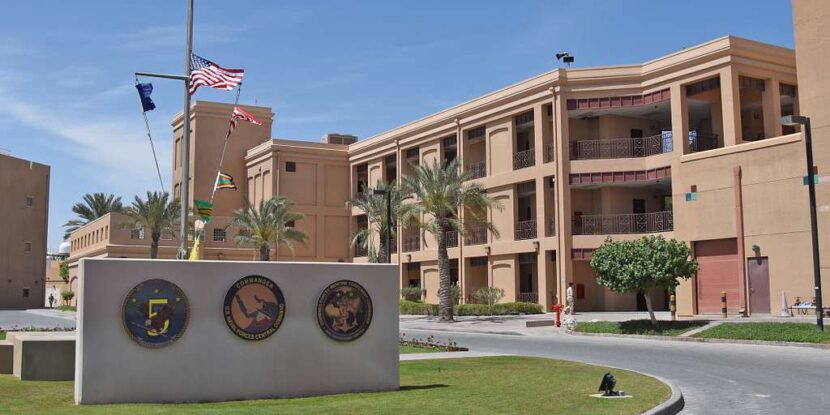
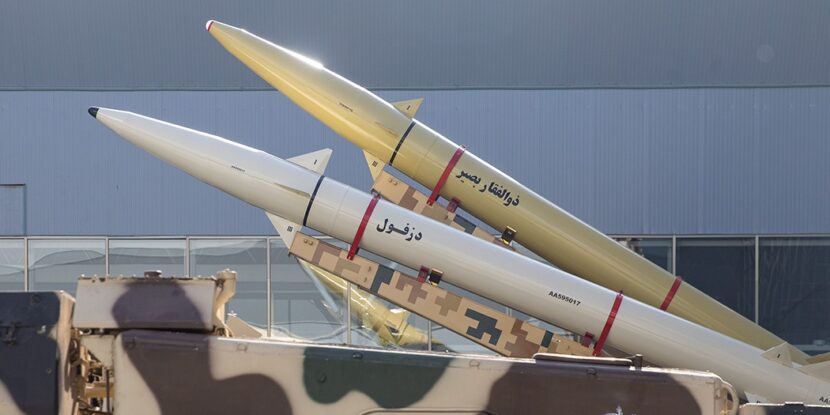
The most anticipated response is Iranian missile and drone strikes against U.S. military bases, diplomatic facilities, and allied assets in the Middle East. Iran has engaged in similar actions in the past—including after President Donald J. Trump ordered the elimination of IRGC commander Qasem Soleimani on January 3, 2020. Using short and medium-range ballistic missiles and suicide drones, Iran could again target U.S. military bases and assets in Iraq, Bahrain, and Qatar—which are notably less protected than Israel, with its multi-layered anti-missile defense shield.
President Donald J. Trump has issued a stark warning to Tehran, stating, “The full strength and might of the U.S. Armed Forces will come down on you at levels never seen before” if American assets are attacked.
Image by Fars Media Corporation.
Join Pulse+ to comment below, and receive exclusive e-mail analyses.