





The German-based pharmaceutical and biotechnology giant Bayer AG has ramped up its political spending at the state level in the United States—especially in Missouri—as it continues to fight thousands of lawsuits stemming from its acquisition of the infamous American biochemical company Monsanto. When Bayer AG bought Monsanto in 2018 and folded the company into its crop science division, officially dissolving Monsanto as a corporate entity, it also assumed the American company’s legal liabilities. Monsanto has faced ongoing lawsuits since 2015 that allege its popular herbicide Roundup’s primary active ingredient, glyphosate, is a dangerous carcinogen and that the company failed to adequately warn consumers.
Missouri has especially become a concerning litigation hotspot for Bayer AG, with an estimated 25,000 lawsuits currently pending in the state’s Cole County alone. The evidentiary discovery process in one of those Cole County lawsuits has revealed an aggressive media campaign being run by alleged agricultural industry advocacy groups—pushing for changes in state law that would be more legally favorable to the German company—are essentially political fronts funded by Bayer AG.
Since this past November, Modern Ag Alliance—one of the agricultural industry advocacy groups backed with money from Bayer AG—has spent over $100,000 on a radio advertising campaign in and around Missouri’s state capital, Jefferson City, claiming glyphosate is not harmful and critical to the American farming industry. The money appears to have been well spent, as controversial legislation shielding Bayer AG from most of the current Monsanto Roundup litigation narrowly passed in the Missouri House of Representatives last month. However, the bill faces increasing opposition in the State Senate from Republican and Democrat lawmakers who contend it is a dubious effort to shield Bayer AG from being sued over their legal liability regarding the once popular herbicide.
Sponsored by State Representative Dane Diehl (R), the legislation would mandate that the federal warning label that the EPA requires to be visible on Roundup is sufficient to comply with Missouri state law. If adopted by the state senate and signed by the governor, the measure would likely end most of the pending litigation against Bayer AG in the state. Notably, Bayer AG set aside $16 billion after purchasing Monsanto to cover any legal damages stemming from the Roundup lawsuits. The German company has already paid $10 billion in damages and settlements from the $16 billion fund.
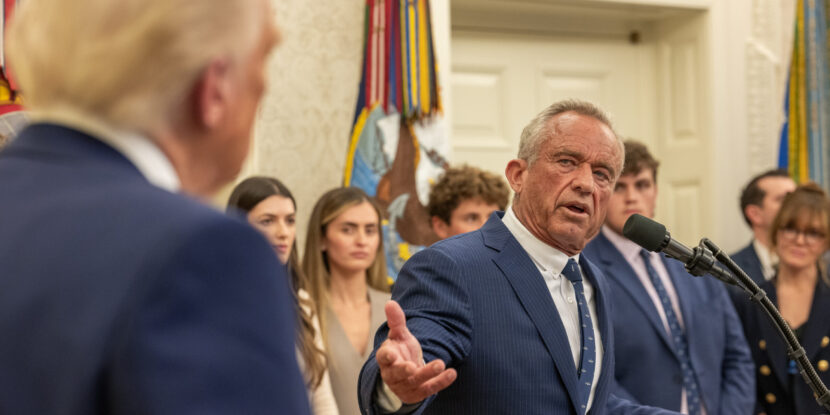
Meanwhile, some Missouri lawmakers also see the legislation and the Bayer AG-backed media campaign as part of an effort to sideline any pushback from President Donald J. Trump’s Make America Healthy Again (MAHA) movement, which is led by Department of Health and Human Services (HHS) Secretary Robert. F. Kennedy Jr.
“I strongly believe we shouldn’t be granting major corporations special exemptions from the law,” State Rep. Mazzie Christensen (R) said in a statement sent to The National Pulse. She continued: “This reminds me of the federal PREP Act, related to COVID-19 vaccines, which granted legal immunity to manufacturers, distributors, and administrators, leaving most lawsuits against vaccine manufacturers off the table. The Republican lawmaker notes that many countries around the world are moving to either limit or ban the use of glyphosate-based herbicides, including Roundup.
Rep. Christensen added: “These companies also attempt to invoke government contractor immunity in their defense.”
show less