



Tuesday, September 15, 2026

Trump Waives Beef Tariffs to Combat Rising Prices.

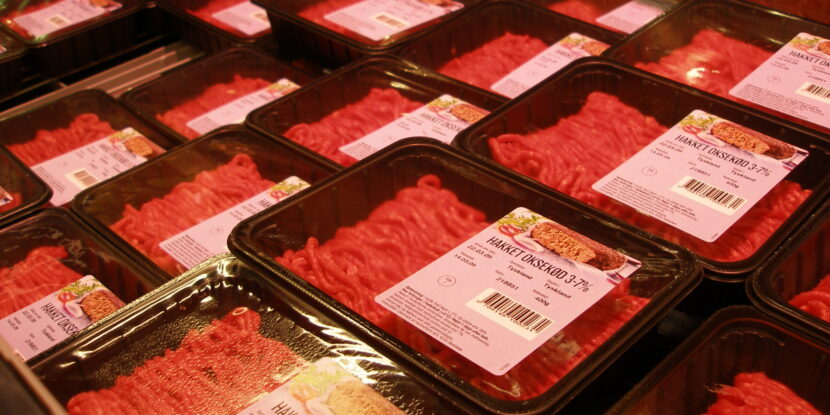
President Donald J. Trump has decided to temporarily waive tariffs on imported ground beef in an attempt to address surging prices caused by shrinking cattle herds and rising demand.

PULSE POINTS
❓ WHAT HAPPENED: President Donald J. Trump has announced a 90-day waiver on higher tariffs for imported ground beef.
📺 DETAIL: The President’s decision on Friday aims to lower costs for Americans amid historically high beef prices. The tariff waiver applies to 300,000 metric tons of imported ground beef. The suspension of tariffs will allow imported ground beef to bypass fees triggered by exceeding trade quotas. The President stated that the imported beef would sell at 25 percent below current market prices. The rise in beef costs has largely been driven by shrinking cattle herds and increased feeding costs due to shrinking pastures caused by drought. In some cases, this results in farmers culling their herds. This has coincided with an increase in demand for ground beef. As a result, the average price of ground beef in the United States reached $6.89 per pound as of July, a 57 percent increase over five years, according to federal labor data published by the Federal Reserve Bank of St. Louis.
💬 KEY QUOTE: “We have a commitment that this beef will be sold at 25 percent below current market prices. This deal will reduce prices for Americans while giving space for our Great American Beef Herd to grow again.” – President Trump on Truth Social
🎯 IMPACT: While the additional imports only comprise a small share of the country’s beef supply, the policy shows that the Trump administration is prepared to take a pragmatic approach on tariffs in order to balance the cost of living against the cultivation of parts of the domestic economy. The rise in demand for ground beef coincides with an ongoing decline in demand for fake meat. This represents another tariff-related decision by the administration this month alone. Earlier this week, the President paused the 50 percent tariffs on Canada as part of progress towards a new agreement with America’s northern neighbor. The pause lasts for three days and applies to approximately $20 billion of Canadian imports.

Image by Nillerdk.

Join Pulse+ to comment below, and receive exclusive e-mail analyses.

show less

President Donald J. Trump has decided to temporarily waive tariffs on imported ground beef in an attempt to address surging prices caused by shrinking cattle herds and rising demand.

show more

First Human New World Screwworm Infection in U.S. Confirmed.

PULSE POINTS

WHAT HAPPENED: The first human case of a New World screwworm parasitic infection in the United States was confirmed by the Department of Health and Human Services (HHS).

👤WHO WAS INVOLVED: The Department of Health and Human Services (HHS), the Maryland Department of Health, the U.S. Centers for Disease Control and Prevention (CDC), the U.S. Department of Agriculture (USDA), the American cattle industry, and an infected person in Maryland.

📍WHEN & WHERE: The infection was confirmed in Maryland on Sunday, August 24, 2025.

💬KEY QUOTE: “The risk to public health in the United States from this introduction is very low.” — HHS spokesman Andrew G. Nixon

🎯IMPACT: The U.S. Department of Agriculture (USDA) projects that an outbreak of the New World screwworm in Texas could cost the cattle industry $1.8 billion.

IN FULL

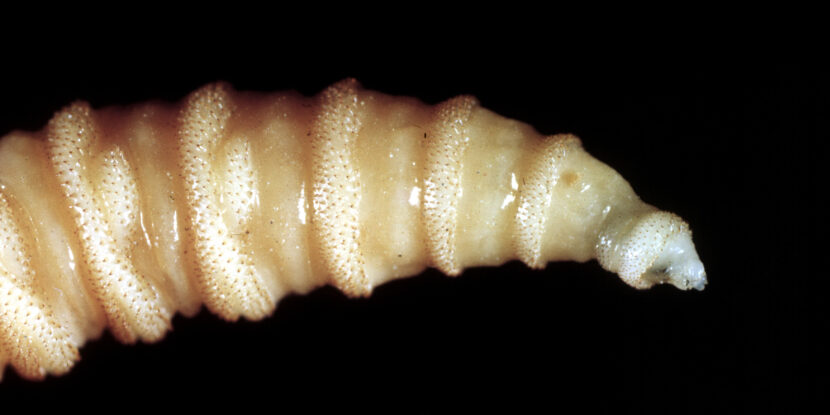
The first human case of a New World screwworm parasitic infection in the United States was confirmed by the Department of Health and Human Services (HHS) on Sunday. According to the department, the infection is travel-related, with the patient having recently visited an area of El Salvador currently experiencing an outbreak of the flesh-eating parasites.

Notably, the incident is being investigated by the Maryland Department of Health and the U.S. Centers for Disease Control and Prevention (CDC). The patient’s immigration status is not yet known.

Despite the case of human infection, HHS is emphasizing that the direct threat posed to humans by the New World screwworm is minimal. “The risk to public health in the United States from this introduction is very low,” says HHS spokesman Andrew G. Nixon.

However, the parasite does pose a serious threat to the U.S. cattle industry, with bovines serving as a prime vector for the flesh-eating maggots. The National Pulse reported last week that the Trump administration is set to construct a $750 million factory in southern Texas to breed thousands of sterile flies in an effort to combat the New World screwworm.

While sterile fly swarms produced in Panama had kept the parasitic insect isolated to South America, it is believed that the mass surge of illegal immigrants northward during the former Biden government allowed the New World screwworm to breach the Panamanian countermeasures. This has resulted in infections being reported among livestock in Mexico, with significant concern that the parasites could devastate the U.S. beef industry as well.

The U.S. Department of Agriculture (USDA) projects that an outbreak of the New World screwworm in Texas could cost the cattle industry $1.8 billion. A broader outbreak across the southern U.S. would be economically devastating.

Image by CSIRO.

Join Pulse+ to comment below, and receive exclusive e-mail analyses.

show less
show more

What Is the New World Screwworm, and Why Is the USDA Spending $750 Million to Stop It?

PULSE POINTS

WHAT HAPPENED: The U.S. government plans to breed thousands of sterile flies in southern Texas to combat flesh-eating maggots threatening American cattle. Once contained well south of Panama, illegal immigration and cattle smuggling have seen the New World screwworm regain a foothold in Mexico and the southern United States.

👤WHO WAS INVOLVED: The U.S. Department of Agriculture (USDA), Agriculture Secretary Brooke Rollins, and Texas Governor Greg Abbott (R).

📍WHEN & WHERE: A $750 million factory will be built at Moore Air Force Base near Edinburg, Texas, with plans to release sterile flies within a year.

💬KEY QUOTE: “Farm security is national security,” said USDA Secretary Brooke Rollins.

🎯IMPACT: The effort aims to protect livestock, secure the food supply, and bolster national security by preventing the spread of the New World screwworm. The parasitic, flesh-eating fly larva can decimate cattle populations and even burrow through human skin.

IN FULL

The Trump administration is set to construct a $750 million factory in southern Texas to breed thousands of sterile flies in an effort to combat the New World screwworm, a flesh-eating parasitic maggot that poses a serious threat to American cattle and, in some cases, humans as well. The factory will be located at Moore Air Force Base near Edinburg, Texas, approximately 20 miles north of the border. The U.S. Department of Agriculture (USDA) announced plans to release the sterile flies into the wild within a year.

The New World screwworm, a parasitic larval phase of the New World screwworm fly—described by the USDA as a “devastating pest”—burrows into the eyes and flesh of living animals, causing severe and often fatal damage. The parasite can infest livestock, pets, wildlife, and occasionally humans, posing a significant threat to the ranching community, the national food supply, and national security overall. The pest was largely eradicated in the United States by the 1970s through similar sterile fly programs, and later sterilization efforts pushed the insects’ population below the isthmus of Panama.

However, recent outbreaks in Mexico have raised concerns. It is believed the parasitic maggots bypassed the sterile fly zone set up in Panama through the flow of illegal immigrants heading north from South America and through illegal cattle smuggling. The parasite has gained footholds in the Caribbean as well, with a significant outbreak in Honduras that has impacted the island’s human population. An outbreak of the screwworm in the Florida Keys in 2016, linked by some to illegal immigrant arrivals from Cuba, was swiftly eradicated.

U.S. Agriculture Secretary Brooke Rollins emphasized the importance of the initiative, stressing, “Farm security is national security.” Rollins outlined additional measures, including $100 million in funding for traps, lures, therapeutic treatments, and border patrols utilizing “tick riders” on horseback and dogs trained to detect the parasite. The USDA also confirmed that the border will remain closed to imports of cattle, horses, and bison from Mexico until the parasite is pushed back closer to Panama. Notably, the screwworm outbreak in Mexico has driven a spike in beef prices in the U.S.

Texas Governor Greg Abbott joined Rollins at a news conference in Austin, Texas, highlighting the urgency of the situation for border and livestock-producing states. The USDA noted that sterile flies remain the most effective method for controlling the spread of the pest, which has already caused significant damage to Mexico’s cattle industry. Mexico’s agriculture ministry has announced plans to take steps to address the issue.

Image by CSIRO.

Join Pulse+ to comment below, and receive exclusive e-mail analyses.

show less
show more

After 20 Years, Australia Reverses American Beef Ban.

PULSE POINTS

WHAT HAPPENED: Australia announced the lifting of restrictions on U.S. beef imports after two decades.

👤WHO WAS INVOLVED: Australian Prime Minister Anthony Albanese, U.S. Secretary of Agriculture Brooke L. Rollins, and President Donald Trump.

📍WHEN & WHERE: Announcement made Thursday, July 24, 2025, in Australia; restrictions have been in place for 20 years.

💬KEY QUOTE: “American farmers and ranchers produce the safest, healthiest beef in the world. It’s absurd that non-scientific trade barriers prevented our beef from being sold to consumers in Australia for the last 20 years.” – U.S. Secretary of Agriculture Brooke L. Rollins.

🎯IMPACT: U.S. beef producers gain greater access to the Australian market, marking a significant trade breakthrough.

IN FULL

In a major shift, Australia’s left-wing Labor government, led by Prime Minister Anthony Albanese, has announced the lifting of restrictions on American beef imports. This decision follows two decades of trade barriers that kept American farmers out of the Australian market.

Julie Collins, Australia’s Agricultural Minister, stated that the restrictions were originally implemented to prevent the spread of mad cow disease and that lifting them would lead to a more open and competitive marketplace in Australia. “Australia stands for open and free trade—our cattle industry has significantly benefited from this,” Collins said in a statement.

Meanwhile, U.S. Secretary of Agriculture Brooke Rollins praised the announcement as a “major trade breakthrough,” crediting President Donald J. Trump’s efforts to ensure fair and free trade with America’s trade partners. Rollins stated, “American farmers and ranchers produce the safest, healthiest beef in the world. It’s absurd that non-scientific trade barriers prevented our beef from being sold to consumers in Australia for the last 20 years.”

President Trump had previously criticized Australia’s restrictions, announcing tariffs on Australian imports earlier this year. He stated, “Australia bans—and they’re wonderful people, and wonderful everything—but they ban American beef. Yet we imported $3 billion of Australian beef from them just last year alone.”

Canberra has not yet set a date for the full lifting of restrictions.

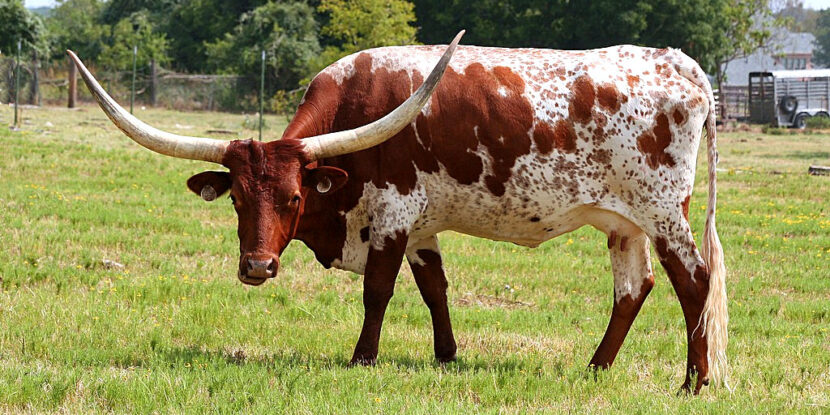
Image by Ken Slade.

Join Pulse+ to comment below, and receive exclusive e-mail analyses.

show less
show more