



Monday, May 11, 2026

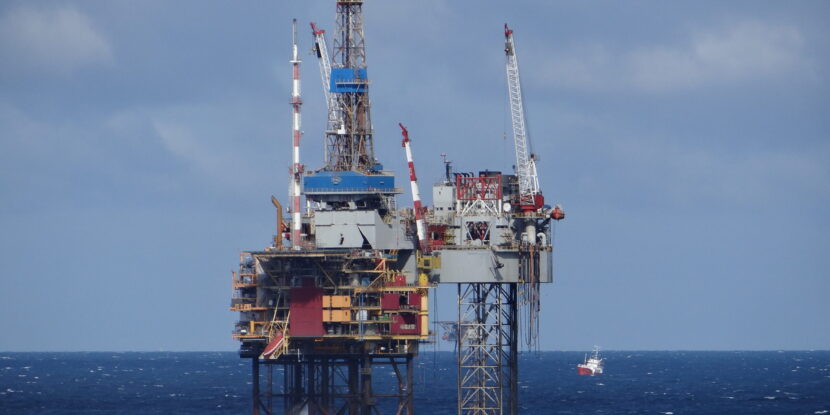
IEA Chief Says Iran War Poses ‘Greatest Energy Threat in HISTORY,’ Recovery Could Take Over 6 Months.

PULSE POINTS

WHAT HAPPENED: The Iran war has resulted in a severe energy shock, affecting global oil and gas flows.

👤WHO WAS INVOLVED: Fatih Birol, head of the International Energy Agency (IEA), and global governments.

📍WHEN & WHERE: Recent events in the Gulf region, impacting energy hubs like South Pars and Ras Laffan.

💬KEY QUOTE: “It will be six months for some [sites] to be operational, others much longer.” – Fatih Birol

🎯IMPACT: Potential long-term policy changes and shifts in global energy strategies.

IN FULL

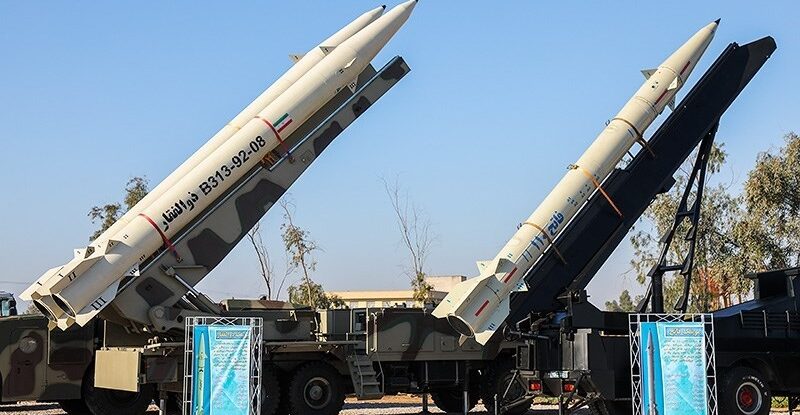
The Iran war has sparked what Fatih Birol, executive director of the International Energy Agency (IEA), calls the most severe energy disruption ever recorded. He warned that repairing infrastructure and resuming normal oil and gas shipments from the Gulf could require six months or more.

Birol, a key voice on worldwide energy stability, described the situation as “the greatest global energy security threat in history.” The disruption has cut off about one-fifth of global oil and gas supplies—roughly double the amount Europe lost due to reduced Russian flows in 2022.

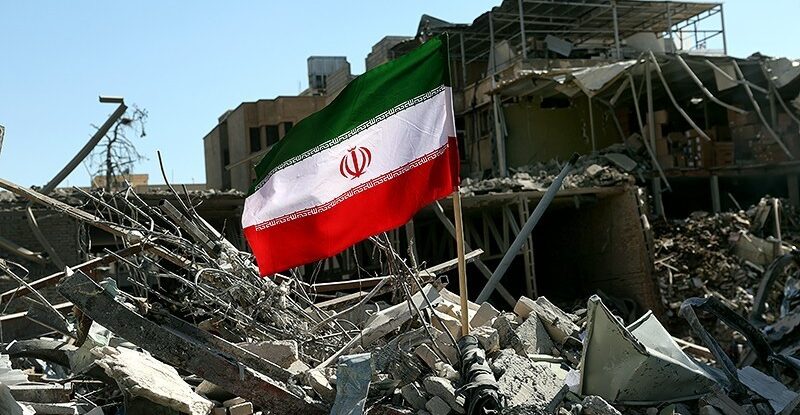
This crisis exceeds the scale of the 1970s oil shocks, which triggered widespread recessions and fuel restrictions. Recent escalations, including missile strikes by Israel and Iran on critical facilities such as Iran’s South Pars gas field and Qatar’s Ras Laffan complex, drove oil prices close to $120 per barrel.

Birol pointed out the extended timeline for recovery, noting that while certain facilities might restart within six months, full restoration at others could take considerably longer. The fallout is likely to drive major shifts in international energy strategies, much like those seen after previous major supply crises.

He noted that more than 40 percent of current nuclear power capacity emerged in response to earlier disruptions, alongside gains in automotive fuel efficiency and changes in global trade patterns.

Image by Tasnim News Agency.

Join Pulse+ to comment below, and receive exclusive e-mail analyses.

show less
show more

Gas Prices Hit Highest Level of Trump’s Two Terms Due to Iran War.

PULSE POINTS

WHAT HAPPENED: Gas prices have surged to $3.32 per gallon, the highest since President Donald J. Trump’s return to office, following U.S.-led strikes on Iran.

👤WHO WAS INVOLVED: President Trump, Treasury Secretary Scott Bessent, Interior Secretary Doug Burgum, and analysts like Torbjorn Soltvedt and Matt Wright.

📍WHEN & WHERE: Strikes began Saturday in Iran, with immediate impacts on global oil markets and U.S. gas stations.

💬KEY QUOTE: “I don’t have any concern about it. They’ll drop very rapidly when this is over, and if they rise, they rise, but this is far more important than having gasoline prices go up a little bit.” – President Trump

🎯IMPACT: Rising gas prices strain household budgets and businesses, while the global oil market faces further uncertainty amid Middle East tensions.

IN FULL

Gasoline prices have risen to $3.32 per gallon, their highest level since September 2024, as the Iran war disrupts global energy markets. The increase follows a U.S.-led military operation in Iran that has killed the Islamic Republic’s Supreme Leader, Grand Ayatollah Ali Khamenei, and several senior Iranian officials. The strikes, along with Iran’s retaliatory attacks on Israel and U.S.-aligned Middle Eastern countries, have disrupted oil and natural gas flows and heightened concerns about supply shortages.

The recent spike marks a sharp reversal from just a few months ago, when fuel prices were significantly lower. By late December 2025, the national average for gasoline had fallen to about $2.75 per gallon, the lowest level since 2021, according to GasBuddy. Some stations in certain states were even selling fuel for under $2 per gallon, reflecting strong U.S. oil production, stable global markets, and robust refinery output. That trend has quickly changed now that war has broken out.

In addition to launching strikes on Israeli and Gulf targets, Iranian attacks have also hit regional energy infrastructure. For instance, Saudi authorities were forced to shut down operations at the massive Ras Tanura oil refinery after drone attacks sparked fires, raising fears of broader disruptions to global oil supply. Brent crude prices have already surged toward $100 per barrel as traders factor in the risk of further disruptions.

The Trump administration says it is taking steps to address rising energy costs and stabilize supply.

President Donald J. Trump announced that the U.S. Development Finance Corporation will provide risk insurance and guarantees to protect maritime trade in the Gulf, especially energy shipments. Treasury Secretary Scott Bessent said the administration is considering additional measures to stabilize supply flows, while Interior Secretary Doug Burgum stated that “everything is being considered,” including tapping U.S. crude reserves and adjusting fuel-blending requirements.

The U.S. Navy is also prepared to escort tankers through the Strait of Hormuz if necessary. Some analysts are skeptical. Energy analyst Matt Wright has questioned whether escorting vessels is practical given the large number of ships passing through the strait each day.

Trump downplayed concerns about the impact of higher gas prices, saying, “I don’t have any concern about it. They’ll drop very rapidly when this is over, and if they rise, they rise, but this is far more important than having gasoline prices go up a little bit.”

Join Pulse+ to comment below, and receive exclusive e-mail analyses.

show less

show more

Trump Tariffs Pressure India Into Agreeing to Source Gas from U.S.

PULSE POINTS

WHAT HAPPENED: India signed a deal with the U.S. covering nearly 10 percent of its liquefied petroleum gas (LPG) imports.

👤WHO WAS INVOLVED: India, the United States, President Donald J. Trump, and Indian Prime Minister Narendra Modi.

📍WHEN & WHERE: Announced on November 17, 2025, with the LPG sourced from the U.S. Gulf Coast.

🎯IMPACT: The deal represents a significant win for the Trump administration, with India previously taking advantage of Western sanctions on Russia to source energy from the Kremlin at a discount.

IN FULL

On Monday, India‘s government announced a “significant” agreement with the Trump administration to source nearly 10 percent of its liquefied petroleum gas (LPG) imports from the United States. The move comes as India seeks to diversify its energy imports away from Russia in the face of U.S. tariffs and threatened sanctions.

Relations between India and the U.S. have been fraught since August, when President Donald J. Trump announced he would impose tariffs of up to 50 percent on Indian goods, as the country had rejected American demands that it stop taking advantage of the Western sanctions war with Russia to purchase cut-price Russian energy. U.S. officials have consistently accused India of clandestinely supporting Russia’s war efforts in Ukraine economically through these purchases.

Hardeep Singh Puri, India’s Minister for Petroleum and Natural Gas, stated that India signed a one-year deal for 2.2 million tonnes per annum of LPG from the U.S. Gulf Coast. This contract marks “the first structured contract of U.S. LPG for the Indian market.”

The Indian economy, the fifth-largest globally, has shown growth, but U.S. tariffs pose a potential risk. Experts have warned U.S. tariffs could reduce Indian GDP growth by 60 to 80 basis points.

Join Pulse+ to comment below, and receive exclusive e-mail analyses.

show less

show more

Trump Reverses Biden’s Alaska Drilling Restrictions.

PULSE POINTS

WHAT HAPPENED: The Trump administration finalized a rule revoking Biden-era restrictions on oil and gas drilling in Alaska.

👤WHO WAS INVOLVED: The Department of the Interior (DOI), President Donald J. Trump, and North Slope community leaders in Alaska

📍WHEN & WHERE: Announced on November 13, 2025, impacting the National Petroleum Reserve in Alaska.

💬KEY QUOTE: “By rescinding the 2024 rule, we are following the direction set by President Trump to unlock Alaska’s energy potential, create jobs for North Slope communities and strengthen American energy security.” – Doug Burgum

🎯IMPACT: The move restores energy development opportunities, creates local jobs, and reduces U.S. reliance on foreign energy sources.

IN FULL

The Trump administration announced on Thursday, November 13 that it is moving to rescind a former Biden government rule restricting oil and gas drilling in Alaska. According to the Department of the Interior (DOI), the finalized rule—set to be published in the Federal Register on November 17—will reverse limits on drilling in the National Petroleum Reserve on Alaska’s North Slope.

The National Petroleum Reserve, which spans approximately 23 million acres, has been designated for energy development since 1923. However, Biden-era policies restricted drilling on over 13 million acres of this area, citing perceived environmental concerns.

Conversely, the DOI now aims to restore drilling to enhance U.S. energy security and reduce dependence on foreign sources. This, the department argues, will bring federal energy policy further into alignment with President Donald J. Trump’s Executive Order to expand natural resource development on federal and state lands in Alaska.

“By rescinding the 2024 rule, we are following the direction set by President Trump to unlock Alaska’s energy potential, create jobs for North Slope communities, and strengthen American energy security,” said Secretary of the Interior Doug Burgum. He added that the action promotes responsible development while benefiting both Alaska and the nation.

Local support for the decision came from the Voice of the Arctic Inupiat, a nonprofit representing North Slope communities, which highlighted the benefits of tax revenue for essential services. North Slope Borough Mayor Josiah Patkotak called the move a “meaningful step toward restoring a federal process” that respects local leadership. “Good policy comes from good process, which requires hearing directly from the people who live, work, and hunt here,” Patkotak stated.

Far-left green agenda groups, such as the Natural Resources Defense Council (NRDC), have criticized the rollback. Bobby McEnaney, NRDC director of land conservation, said, “This rollback is nothing more than a giveaway to the oil and gas industry. Weakening protections is reckless, and it threatens to erase the very landscapes Congress sought to safeguard.”

Image by Richard Martin.

Join Pulse+ to comment below, and receive exclusive e-mail analyses.

show less

show more

Trump Strikes Nuclear Deal with Orban, Says He May Exempt Hungary From Russian Energy Sanctions.

PULSE POINTS

WHAT HAPPENED: President Donald J. Trump said he is considering granting Hungary an exemption from U.S. sanctions on Russian energy during a meeting with Hungarian Prime Minister Viktor Orbán.

👤WHO WAS INVOLVED: President Trump, Hungarian Prime Minister Viktor Orbán, and Hungarian Foreign Minister Péter Szijjártó.

📍WHEN & WHERE: The discussions took place on November 7 at the White House.

💬KEY QUOTE: “I am simply asking for the realization that the sanctions recently imposed on Russian energy puts certain countries like Hungary, which do not have access to the sea, in an impossible situation.” – Viktor Orban.

🎯IMPACT: The potential exemption could alleviate Hungary’s energy problems, while a newly announced nuclear energy agreement aims to increase Hungary’s use of U.S. technology and fuel over the longer term.

IN FULL

President Donald J. Trump said Friday that he is considering granting Hungary an exemption from U.S. sanctions on Russian energy. The announcement was made during a White House meeting with Hungarian Prime Minister Viktor Orbán, who described the matter as “vital” for his country and warned of serious consequences if the restrictions were implemented.

“We’re looking at it because it’s very difficult for him to get the oil and gas from other areas,” President Trump said, adding: “It’s a big country, but they don’t have sea, they don’t have the ports. And so they have a difficult problem.”

Trump also praised Orbán for his strong border and immigration policies, in contrast with the wider European Union’s permissive attitude towards mass migration, while Orbán praised the President’s foreign policy achievements. 

“I’m not asking for some kind of gift from the Americans or some kind of unusual thing,” Orbán, a longtime ally and supporter of the America First leader, explained on Hungarian radio previously. “I am simply asking for the realization that the sanctions recently imposed on Russian energy puts certain countries like Hungary, which do not have access to the sea, in an impossible situation,” adding that he was “going to ask the President to acknowledge that.”

Hungarian Foreign Minister Péter Szijjártó announced during the U.S. trip that Hungary will sign a bilateral nuclear energy cooperation agreement with the United States. The deal, negotiated with U.S. Secretary of State Marco Rubio, will see Hungary purchase American nuclear fuel for the first time, adopt U.S. technology for spent-fuel storage at its Paks nuclear power plant, and collaborate on the development of small modular reactors.

Hungary imports more than 80 percent of its natural gas and a majority of its oil from Russia. Despite EU efforts to phase out Russian fossil fuels, Budapest has repeatedly fought exemptions, arguing that its landlocked geography on the border of Ukraine leaves it few alternatives.

Notably, relations between Hungary and Ukraine are tense following Kiev’s claim earlier this year that it uncovered a Hungarian spy network operating in western Ukraine, an accusation Hungary denies. Ukraine hosts a large Hungarian ethnic minority in its Transcarpathia border region, with Budapest often complaining that Kiev mistreats them.

Join Pulse+ to comment below, and receive exclusive e-mail analyses.

show less

show more

Trump Sanctions Russian Oil Firms, Citing ‘Lack of Serious Commitment’ to Peace.

PULSE POINTS

WHAT HAPPENED: The U.S. Department of the Treasury’s Office of Foreign Assets Control (OFAC) imposed new sanctions targeting Russia’s energy sector, specifically its two largest oil companies, Rosneft and Lukoil.

👤WHO WAS INVOLVED: The U.S. Treasury Department, Rosneft Oil Company, Lukoil OAO, and their subsidiaries.

📍WHEN & WHERE: Announced today, impacting entities operating in Russia’s energy sector and U.S. financial systems.

💬KEY QUOTE: “Now is the time to stop the killing and for an immediate ceasefire,” said Secretary of the Treasury Scott Bessent.

🎯IMPACT: These sanctions block property and restrict transactions involving the targeted entities, aiming to hinder Russia’s ability to fund its military operations.

IN FULL

The U.S. Department of the Treasury’s Office of Foreign Assets Control (OFAC) has announced new sanctions targeting Russia’s energy sector, citing “Russia’s lack of serious commitment to a peace process to end the war in Ukraine.” The sanctions specifically target Russia’s two largest oil companies, Rosneft Oil Company and Lukoil OAO, along with their subsidiaries.

Rosneft and Lukoil are major players in the exploration, production, refining, and sale of oil and gas. The sanctions, enacted under Executive Order 14024, aim to block these companies’ access to U.S. financial systems and restrict their ability to raise revenue for Russia’s war efforts in Ukraine.

“Now is the time to stop the killing and for an immediate ceasefire,” stated Secretary of the Treasury Scott Bessent. He added, “Treasury is prepared to take further action if necessary to support President Trump’s effort to end yet another war. We encourage our allies to join us in and adhere to these sanctions.”

The sanctions also extend to subsidiaries of Rosneft and Lukoil, including entities involved in oil and gas production, refining, and exploration. All property and interests in property of these companies under U.S. jurisdiction are blocked, and U.S. persons are prohibited from engaging in transactions with them unless specifically authorized.

OFAC emphasized that foreign financial institutions facilitating significant transactions with these entities risk secondary sanctions. The move is part of the broader effort to pressure Russia into negotiating a peaceful resolution to the conflict in Ukraine, which has stalled since Trump staged a major in-person meeting with Russian President Vladimir Putin in Alaska in August.

Russia may be stalling because it believes it is close to a significant military breakthrough in a war that has been stalemated for months, with reports indicating that Ukraine may be on the verge of retreating from the lynchpin fortress city of Pokrovsk, in the hotly contested Donbass (Donbas) region.

Join Pulse+ to comment below, and receive exclusive e-mail analyses.

show less
show more

Biden Releases 1M+ Barrels of Gas from Reserve to Lower Prices in Brazen Election Bid.

The Biden government announced Tuesday the release of 1 million barrels of gasoline from a Northeast Reserve established a decade ago following Superstorm Sandy. The action aims to reduce gas prices for the summer driving season, as inflation and an overall poor economy continue to hurt Americans’ wallets — and Biden’s poll numbers.

The sale will be managed from storage locations in New Jersey and Maine and allocated in 100,000-barrel increments. The Department of Energy stated that this competitive bidding process would enable gasoline to flow to local retailers ahead of the July 4 holiday, ensuring competitive prices.

This move follows a congressional mandate to sell off the Northeast Reserve, integrated into a spending agreement approved in March to prevent a partial government shutdown. The Energy Department highlighted the timing of the sale, noting it is intended to provide relief to motorists as summer travel begins. Gas prices currently average around $3.60 per gallon nationally, a rise of 6 cents from the previous year, according to AAA.

Energy Secretary Jennifer Granholm emphasized the regime’s focus on lowering fuel costs, particularly as summer travel peaks. “By strategically releasing this reserve between Memorial Day and July 4th, we are ensuring sufficient supply flows to the tri-state and Northeast at a time hardworking Americans need it the most,” Granholm stated.

Biden’s 2022 drawdown of the Strategic Petroleum Reserve in response to Russia’s invasion of Ukraine reduced it to its lowest levels since the 1980s. This move aimed to stabilize rising gasoline prices but faced criticism from Republicans who accused Biden of political maneuvering with a reserve meant for emergencies. In April, the regime canceled a purchase meant to refill the reserve.

show less
The Biden government announced Tuesday the release of 1 million barrels of gasoline from a Northeast Reserve established a decade ago following Superstorm Sandy. The action aims to reduce gas prices for the summer driving season, as inflation and an overall poor economy continue to hurt Americans' wallets — and Biden's poll numbers. show more
Biden Power Grab

Biden Mulls Declaring ‘Climate Emergency’ in Stunning Election Year Power Grab.

The Biden government is considering declaring a “climate emergency” in order to activate federal powers allowing it to crush the oil and gas industry. Bloomberg sources say the powers “could be used to curtail crude exports, suspend offshore drilling and curb greenhouse gas emissions,” helping the regime meet climate targets at the expense of American jobs and energy independence.

Some of Biden’s advisors believe declaring a climate emergency would “galvanize climate-minded voters” in time for the presidential election in November.

“President Biden has treated the climate crisis as an emergency since day one and will continue to build a clean energy future that lowers utility bills, creates good-paying union jobs, makes our economy the envy of the world and prioritizes communities that for too long have been left behind,” commented White House spokesman Angelo Fernandez Hernandez, declining to specifically confirm or deny the reports of a possible emergency declaration.

U.S. Presidents have invoked emergency powers in the past, with Donald Trump using an emergency declaration to authorize the use of military resources to secure the southern border, for example. Invoking them to tackle climate change has never been done before, however.

Crude oil prices are already rising significantly due to factors such as Biden’s anti-production policies and the ongoing sanctions war with Russia.

These rises are driving inflation and higher gas prices, with the cost to consumers up by an average of 24 cents per gallon to $3.63 over just the last month.

show less
The Biden government is considering declaring a "climate emergency" in order to activate federal powers allowing it to crush the oil and gas industry. Bloomberg sources say the powers "could be used to curtail crude exports, suspend offshore drilling and curb greenhouse gas emissions," helping the regime meet climate targets at the expense of American jobs and energy independence. show more

Biden WH Pressured ‘Fact Checker’ Snopes to Change Ratings.

According to internal communications, officials from the Joe Biden regime successfully pressured the fact-checking website Snopes to change its rating on a fact check regarding a prospective federal ban on gas stoves.

“Sent over tough letter to this writer yesterday when the initial claim was rated as ‘mixed,'” Consumer Product Safety Commission (CPSC) communications director Pamela Rucker Springs bragged in an email to White House assistant press secretary Michael Kikukawa, linking to an updated fact check. Kikukawa responded, saying the change was “so helpful.”

Initially, Snopes had issued a “mixture” rating on claims the Biden regime was contemplating a ban on gas-powered stoves, influenced by statements by Richard Trumka Jr., a member CPSC.

Trumka Jr. had said such a ban was “on the table,” and the CPSC was weighing regulations “drastically reducing emissions or banning gas stoves entirely.”

However, Snopes downplayed Trumka Jr.’s pronouncements and changed its fact check rating to “false” after Biden regime officials leaned on them, asserting the CPSC is “not currently considering a ban on gas stoves.”

Watchdog group the Functional Government Initiative (FGI) laid bare the process by which the regime arranged the changes by securing emails between CPSC and White House communications officials.

“A commissioner appointed by President Biden wanted to ban gas stoves, and he got caught, provoking a public outcry,” commented FGI spokesman Peter McGinnis.

“So, the CPSC staff leaned on Snopes, seeking to counter the narrative… And the White House finds this ‘helpful.’ Helpful with what?” he questioned.

“This goes beyond dysfunction — the government using sympathetic media to censor inconvenient news.”

show less
According to internal communications, officials from the Joe Biden regime successfully pressured the fact-checking website Snopes to change its rating on a fact check regarding a prospective federal ban on gas stoves. show more
bidenomics

BIDENOMICS: Inflation Up in August.

Inflation in the United States rose by an annual rate of 3.7 percent in August, the second consecutive month of rising costs. The Consumer Price Index, which tracks a basket of goods and services typically purchased by consumers, increased by 0.6 percent from July. The so-called core CPI, which excludes volatile fuel and food costs, rose by 4.3 percent from a year ago. Gasoline prices were the primary contributor to the increase, with housing also playing a role.

The release of the latest inflation data comes just prior to the Federal Reserve’s two-day policy meeting, during which officials will assess price and wage trends to decide whether to raise interest rates or keep them stable. While inflation remains higher than the Fed’s target of 2 percent, analysts believe the cooling trend may influence the central bank to maintain steady rates. Gasoline prices at the pump rose from an average of $3.60 per gallon in July to $3.84 in August, with housing costs also contributing to the overall increase.

Experts note that rent growth is slowing, with median rents falling year-over-year last month. However, it may take several months for these trends to be reflected in the CPI measures that the Fed considers when determining interest rate policy at their upcoming meeting.

show less
Inflation in the United States rose by an annual rate of 3.7 percent in August, the second consecutive month of rising costs. The Consumer Price Index, which tracks a basket of goods and services typically purchased by consumers, increased by 0.6 percent from July. The so-called core CPI, which excludes volatile fuel and food costs, rose by 4.3 percent from a year ago. Gasoline prices were the primary contributor to the increase, with housing also playing a role. show more