



Sunday, August 9, 2026

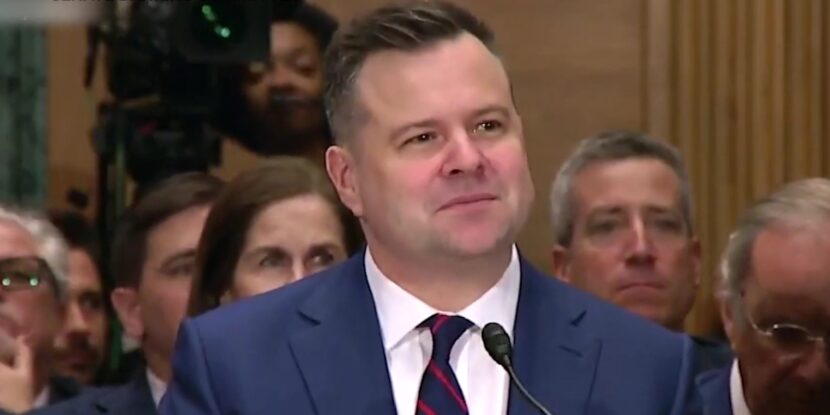
Acting DNI Pulte Purges ODNI Staff in Deep State Shakeup.

Acting Director of National Intelligence Bill Pulte has initiated sweeping personnel changes at the Office of the Director of National Intelligence.

PULSE POINTS
❓ WHAT HAPPENED:  Acting Director of National Intelligence (DNI) Bill Pulte has removed 51 staff members from the Office of the Director of National Intelligence (ODNI) since taking office, including six terminations and 45 employees returned to their home agencies.
📰 DETAIL: The cuts, which Pulte reportedly described as sufficient “for now,” follow a broader downsizing effort initiated under former DNI Tulsi Gabbard that reduced the agency’s workforce from about 2,000 employees toward a target of 1,300. President Donald J. Trump had urged Pulte to carry out an immediate reduction in staffing, arguing the agency had become overly bureaucratic. Supporters of the cuts, including Senate Intelligence Committee Chairman Sen. Tom Cotton (R-AR), contend the ODNI has expanded beyond its original mission and should return personnel to other intelligence agencies. The restructuring coincides with a standoff in Congress over the renewal of Section 702 of the Foreign Intelligence Surveillance Act (FISA), which expired earlier this month after Democrats refused to support an extension. Republicans warn the lapse could weaken national security, but President Trump is also pushing to link its extension to the implementation of election integrity safeguards included in the proposed SAVE America Act.
💬 KEY QUOTE: “Pulte being willing to rock the boat and send a bunch of people back to their agencies and gut the bureaucracy is a feature, not a bug for Republicans,” said a Republican Senate staffer.
🎯 IMPACT: The personnel changes are part of a broader effort to streamline the ODNI, which has faced bipartisan criticism for its bureaucratic structure.

Join Pulse+ to comment below, and receive exclusive e-mail analyses.

show less

Acting Director of National Intelligence Bill Pulte has initiated sweeping personnel changes at the Office of the Director of National Intelligence.

show more

Pulte Moves to Gut Intel Bureaucracy on Day One as Acting DNI.

Bill Pulte, newly appointed as Acting Director of National Intelligence, initiated significant staff reductions on his first day.

PULSE POINTS
❓ WHAT HAPPENED: Bill Pulte, the Director of the Federal Housing Finance Agency and the new Acting Director of National Intelligence (DNI), has begun implementing mass firings at the National Counterterrorism Center (NCTC) on his first official day in the DNI role.
📰 DETAIL: Reports state that Pulte arrived at the agency a day early on June 18, requested a list of employees, and met with agency lawyers as he prepared personnel decisions. The move comes after President Donald J. Trump nominated former U.S. Attorney for the Southern District of New York Jay Clayton to serve as DNI last week, amid opposition to his earlier nomination of Pulte as the permanent DNI. Clayton’s confirmation has been delayed until the Senate approves his successor in New York, creating an interim period in which Pulte will lead the intelligence agency. Notably, it may be delayed further, as President Trump seeks to link his confirmation and the renewal of FISA to Congress approving election integrity measures in the SAVE America Act. This delay will allow Pulte to implement significant staffing changes, urged by President Trump, before Clayton potentially takes office.
🎯 IMPACT: The decision to initiate these cuts has stalled bipartisan efforts to renew Section 702 of the Foreign Intelligence Surveillance Act (FISA), with Democrats expressing opposition to proceeding while Pulte is in charge. Trump has backed Pulte strongly, saying of his work as Director of the Federal Housing Finance Agency, “He’s very smart. He’s a person who’s got high integrity. He’s done a phenomenal job.”

Join Pulse+ to comment below, and receive exclusive e-mail analyses.

show less

Bill Pulte, newly appointed as Acting Director of National Intelligence, initiated significant staff reductions on his first day.

show more

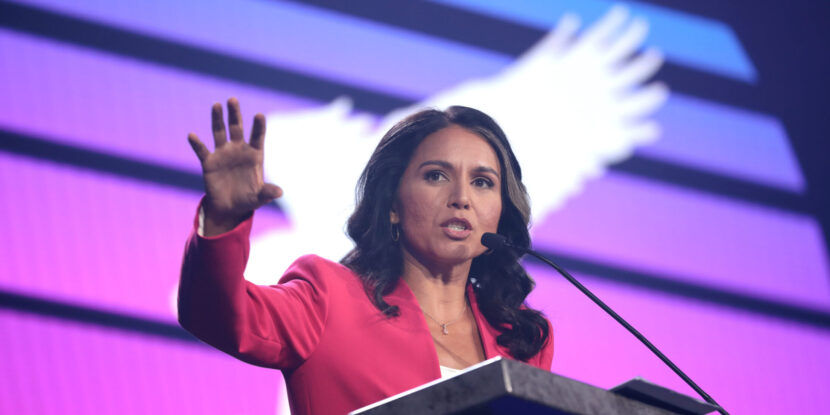
Tulsi Gabbard Tells Senate that Trump’s Iran Strikes Are Strategic Success.

PULSE POINTS

WHAT HAPPENED: Director of National Intelligence (DNI) Tulsi Gabbard briefed the Senate Intelligence Committee on Wednesday, stating that the U.S. military strikes against the Islamic Republic of Iran are a strategic success.

👤WHO WAS INVOLVED: Tulsi Gabbard, the Senate Intelligence Committee, and President Donald J. Trump.

📍WHEN & WHERE: The briefing occurred on Wednesday during a Senate Intelligence Committee meeting in Washington, D.C.

💬KEY QUOTE: Gabbard stated that Iran’s capability to project military force has been “largely destroyed” and the regime’s strategic position in the region is now “significantly degraded.”

🎯IMPACT: The U.S. intelligence community cautions that the Islamist government remains relatively intact and, should it survive the current military operation, U.S. intelligence agencies believe it will “seek to begin a years-long effort to rebuild its military, missiles and UAV forces.”

IN FULL

Director of National Intelligence (DNI) Tulsi Gabbard testified before the Senate Intelligence Committee on Wednesday, telling lawmakers that President Donald J. Trump’s authorization of U.S. military strikes against the Islamic Republic of Iran has proven to be a strategic success. Gabbard, while emphasizing her remarks reflected the overall assessment of the American intelligence community and not her own “personal views or opinions,” stated that Iran’s capability to project military force has been “largely destroyed” and the regime’s strategic position in the region is now “significantly degraded.”

Still, President Trump’s top intelligence official cautioned that the Islamist government remains relatively intact and should it survive the current military operation, U.S. intelligence agencies believe it will “seek to begin a years-long effort to rebuild its military, missiles and UAV forces.”

Since the state of Operation Epic Fury on February 28, Iran’s retaliatory actions have resulted in the deaths of 13 American service members and injuries to approximately 200 more. In addition, the targeting of oil tankers traversing the Strait of Hormuz by Iranian drones and anti-ship missiles has caused insurance costs for the shipping industry to skyrocket—effectively closing the critical waterway to cargo and tanker traffic. The closure of the strait has disrupted global supply chains for critical resources, including oil, fertilizer, and aluminum.

Joint U.S.-Israeli strikes against the Islamic Republic have eliminated most of the regime’s top political and military leadership. Iran’s former Supreme Leader Ayatollah Ali Khamenei was killed in the initial strikes on February 28, along with 40 to 50 other top regime officials. The 86-year-old theocrat was succeeded by his 56-year-old son, Mojtaba Khamenei, as Supreme Leader. Notably, senior U.S. government officials, including President Trump and Secretary of War Pete Hegseth, have indicated that Mojtaba Khamenei was likely seriously wounded and possibly disfigured in the same airstrike that killed his father. He has made no public appearances or released any prerecorded messages since assuming power.

In subsequent weeks, other key Iranian officials have perished, including Ali Larijani, Secretary of Iran’s National Security Council, and General Gholam Reza Soleimani, head of the Basij paramilitary morality police. The Israel Defense Forces (IDF) announced on Wednesday that Iranian Intelligence Minister Esmail Khatib had also been killed in a “targeted strike” in Tehran.

Image by Gage Skidmore.

Join Pulse+ to comment below, and receive exclusive e-mail analyses.

show less

show more

Iran-Backed Iraqi Militia Places Bounties on U.S. Officials.

PULSE POINTS

WHAT HAPPENED: The Islamic Resistance in Iraq has announced bounties for information leading to the capture or “neutralization” of high-ranking U.S. military or intelligence officials.

👤WHO WAS INVOLVED: The Islamic Resistance in Iraq, U.S. military officials, and intelligence agencies operating in Iraq.

📍WHEN & WHERE: Announced via Telegram, targeting U.S. personnel in Iraq and the wider region.

💬KEY QUOTE: “This pressure affects personnel across all disciplines—whether within the U.S. military or other intelligence and espionage agencies operating in Iraq and the wider region,” the group stated.

🎯IMPACT: The bounty offer represents a significant escalation in threats against American forces and intelligence operations in the region.

IN FULL

An Iran-backed terror proxy in Iraq is offering a bounty of 150 million Iraqi dinars for information that could lead to the capture or “neutralization” of high-ranking U.S. military officials or senior intelligence leadership. The bounties issued by the Islamic Resistance in Iraq were posted on Telegram.

“In the Name of God, the Most Gracious, the Most Merciful: The tightening of the noose around American forces on the ground has led to a curtailment of their security options,” the group stated, before continuing, “This pressure affects personnel across all disciplines—whether within the U.S. military or other intelligence and espionage agencies operating in Iraq and the wider region—compelling them to relocate to alternative (civilian) sites that they perceive as more secure.”

“Accordingly, we hereby announce the allocation of a ‘substantial financial reward’ in exchange for providing information regarding these targets,” the Islamic Resistance in Iraq added.

Iranian-backed terror proxies have long targeted U.S. military and intelligence officials across the Middle East. One of the most horrifying examples of this practice was the 1985 abduction, interrogation, torture, and murder of the Central Intelligence Agency (CIA) station chief in Beirut, William Francis Buckley, by Hezbollah and its Islamic Revolutionary Guard Corps (IRGC) handlers.

Buckley was abducted by the Shia militia called Islamic Jihad—the predecessor to Hezbollah—in March 1984. He was held for an estimated 19 months before his execution. During that time, Buckley was subjected to gruesome torture, including what appears to have been the flaying of his skin while he was still alive. His body was later dumped along a road near the Beirut airport, covered in bandages and blood, while a catheter was also left embedded inside him.

Join Pulse+ to comment below, and receive exclusive e-mail analyses.

show less
show more

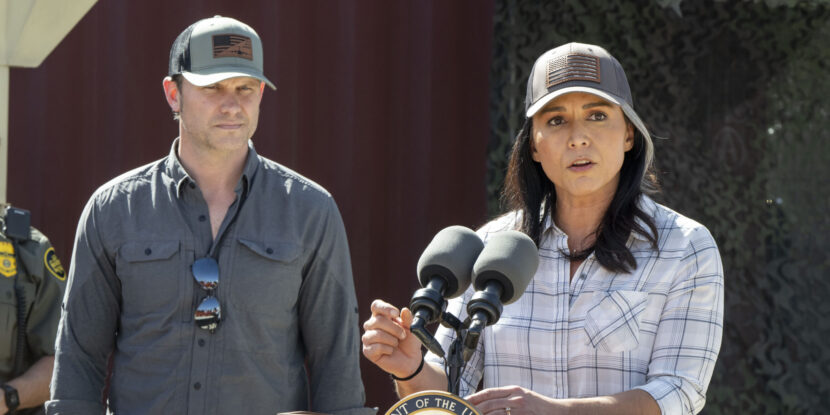
How U.S. Intel Aided Operation to to Take Out ‘El Mencho’ in Mexico:

PULSE POINTS

WHAT HAPPENED: Mexican soldiers killed Jalisco New Generation Cartel (CJNG) cartel boss Nemesio “El Mencho” Oseguera Cervantes in a raid on his hideout, following a tip-off involving one of his romantic partners.

👤WHO WAS INVOLVED: Mexican military forces, El Mencho and his security detail, and U.S. intelligence support.

📍WHEN & WHERE: The raid occurred on Sunday in Tapalpa, Jalisco state, Mexico.

🎯IMPACT: The operation led to widespread retaliatory violence, with over 70 deaths, major disruptions, and increased security deployments.

IN FULL

The capture and subsequent death of Jalisco New Generation Cartel (CJNG) leader Nemesio “El Mencho” Oseguera Cervantes at the hands of the Mexican military on Sunday came—in part—through a tip provided by one of El Mencho’s romantic partners. According to Mexican military officials, the tip—along with United States intelligence support—allowed for the woman to be tracked to a wooded area near Tapalpa in the state of Jalisco, where El Mencho had established a safe house.

After confirming the cartel leader’s location, Mexican special forces launched an assault, resulting in the deaths of El Mencho and at least eight other cartel members after a fierce firefight. El Mencho was one of the most wanted drug lords by both the Mexican and U.S. governments, largely due to the cartel’s role in trafficking fentanyl into the United States.

General Ricardo Trevilla, Mexico’s defense minister, highlighted the importance of surprise in the operation, with some troops positioned along Jalisco’s state border to avoid detection. El Mencho’s bodyguards engaged the soldiers, and the cartel leader fled with his inner circle to nearby cabins before being apprehended. He and two others were gravely injured while being subdued and later died en route to Mexico City.

The death of El Mencho triggered significant retaliatory violence across 20 states, including Jalisco. Armed cartel supporters set vehicles and buildings ablaze, blocked roads, and disrupted daily life. Mexican authorities reported over 70 deaths during the operation and its aftermath, including 25 law enforcement officers. Additional security forces were deployed to stabilize the region.

U.S. intelligence reportedly supported the operation, providing a dossier on El Mencho to Mexican authorities. The CJNG, designated as a Foreign Terrorist Organization by U.S. President Donald J. Trump last year, has been a major target in efforts to combat drug trafficking.

Join Pulse+ to comment below, and receive exclusive e-mail analyses.

show less
show more

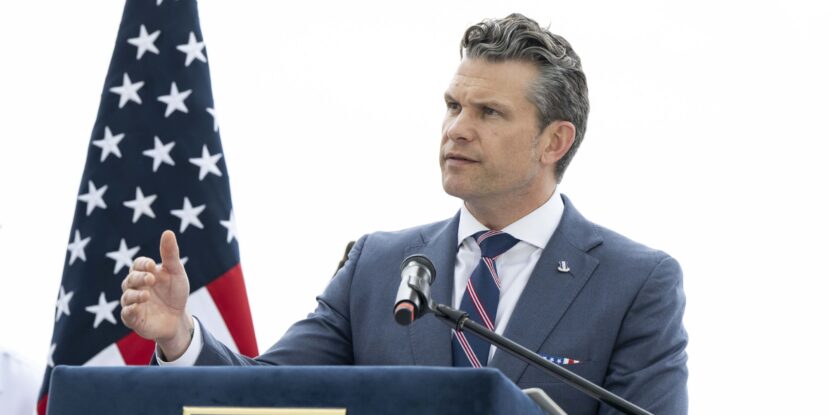
Deep State Purge: Gabbard Cutting Intel Office Staff Almost in HALF.

PULSE POINTS

WHAT HAPPENED: Director of National Intelligence (DNI) Tulsi Gabbard announced plans to cut her agency’s workforce by up to 40 percent and eliminate several offices accused of politicizing intelligence.

👤WHO WAS INVOLVED: Tulsi Gabbard, senior Office of the Director of National Intelligence (ODNI) officials, Defense Secretary Pete Hegseth, and former DNI James Clapper.

📍WHEN & WHERE: Announcement made on Wednesday in Washington, D.C.

💬KEY QUOTE: “Ending the weaponization of intelligence and holding bad actors accountable are essential to begin to earn the American people’s trust which has long been eroded.” – Tulsi Gabbard

🎯IMPACT: The initiative could save taxpayers up to $700 million and aims to restore public trust in the intelligence community.

IN FULL

On Wednesday, Director of National Intelligence (DNI) Tulsi Gabbard revealed plans for a major overhaul of her office, which includes slashing the workforce by up to 40 percent and shutting down several offices accused of politicizing intelligence. The Office of the Director of National Intelligence (ODNI), which employed over 1,800 people when Gabbard assumed her role, is expected to reduce its staff to around 1,300. Dubbed “ODNI 2.0,” the restructuring is expected to save taxpayers as much as $700 million.

The restructuring will eliminate offices such as the Foreign Malign Influence Center (FMIC), the National Counterproliferation and Biosecurity Center, and the Cyber Threat Intelligence Integration Center. Gabbard specifically called out the FMIC for undermining civil liberties, pointing to its role in pressuring tech companies to censor stories such as an October 2020 report on Hunter Biden’s laptop.

In a message to ODNI employees, Gabbard underscored the urgency of reform, stating, “Over the last 20 years, ODNI has become bloated and inefficient, and the intelligence community is rife with abuse of power, unauthorized leaks of classified intelligence, and politicized weaponization of intelligence.”

The move follows the revocation of security clearances for 37 current and former intelligence officials, accused by Gabbard of having “abused the public trust by politicizing and manipulating intelligence, leaking classified intelligence without authorization, and/or committing intentional egregious violations of tradecraft standards.”

In addition to the ODNI reforms, Defense Secretary Pete Hegseth has agreed to merge the National Intelligence University with the National Defense University to streamline intelligence-related programs.

Join Pulse+ to comment below, and receive exclusive e-mail analyses.

show less
show more

Tulsi Gabbard: ODNI Was Pressured Into Obama-Directed Russia Narrative.

PULSE POINTS

WHAT HAPPENED: A whistleblower revealed that a supervisor threatened them to comply with an Obama administration Office of the Director of National Intelligence (ODNI)-orchestrated Russia hoax intelligence assessment, despite knowing it was not credible.

👤WHO WAS INVOLVED: The whistleblower, Director of National Intelligence (DNI) Tulsi Gabbard, former President Barack Obama, former DNI James Clapper, and other unnamed intelligence officials.

📍WHEN & WHERE: Events tied to the crafting of the 2017 Intelligence Community Assessment (ICA) on election security, following the 2016 U.S. Presidential Election.

💬KEY QUOTE: “Whistleblower reveals how they were threatened by a supervisor to go along with the Obama-directed Russia hoax ‘intelligence’ assessment, even though they knew it was not credible or accurate. The Whistleblower refused.” – Tulsi Gabbard

🎯IMPACT: Raises concerns about the integrity of intelligence assessments and highlights efforts by whistleblowers to expose political manipulation at the highest levels of government.

IN FULL

President Donald J. Trump‘s Director of National Intelligence (DNI), Tulsi Gabbard, has released declassified whistleblower testimony. The whistleblower asserted that, within the Barack Obama-era Office of the Director of National Intelligence (ODNI), they were “threatened by a supervisor to go along with the Obama-directed Russia hoax ‘intelligence’ assessment, even though they knew it was not credible or accurate.” According to Gabbard, the whistleblower “refused” to comply despite the pressure.

“Yesterday we released the Whistleblower’s firsthand account of what happened in the crafting of the January 2017 ICA, their yearslong efforts to expose the egregious manipulation and manufacturing of intelligence carried out at the highest levels of government and the IC (detailed in our previous releases) and how they were repeatedly ignored,” Gabbard wrote in a post on X (formerly Twitter) on Thursday. She thanked the whistleblower and others coming forward to “defend our democratic republic” and “ensure the American people know the truth.”

The whistleblower, who led the production of the Intelligence Community Assessment (ICA) on cyber threats to the 2016 Presidential Election, reported that the task was specifically ordered by then-DNI James Clapper. Clapper had stated during a secure video call that then-President Obama “had urgently requested a comprehensive analysis on election security.” However, the name of the supervisor who directly pressured the whistleblower remains redacted in the now-declassified written testimony.

“I was directed by [redacted] to focus on Russian attempts to access U.S. election-related infrastructure. IC reporting suggested many Russia-attributed IP addresses were making connection attempts that the IC could not explain the purpose of,” the whistleblower wrote. “Later, when presenting [redacted] with our findings, [redacted] directed us to abandon any further study of the subject, saying ‘it’s something else.’ In light of later development in open source reporting, I came to have concerns about this Russia-attributed cyber activity and the abrupt dismissal of the study effort.”

According to the written testimony, other nations that were identified as having attempted to influence the 2016 election were purposefully left out of the final report. “Key context was not included, and I was pressured to alter my views on the 2017 ICA’s Key Judgements, with the expressed intent by [redacted] that my concurrence was sought to enable [redacted] to sway the views of the Defense Intelligence Agency (DIA),” the testimony states.

Image by Gage Skidmore.

Join Pulse+ to comment below, and receive exclusive e-mail analyses.

show less
show more

Trump Admin Refutes ‘Scoop’ by ’51 Intelligence Officials’ Reporter on Iran Strikes.

PULSE POINTS

WHAT HAPPENED: Top Trump officials have denied a CNN report claiming U.S. strikes on Iranian nuclear sites failed to destroy core components. Notably, the report was penned by Natasha Bertrand, who was also a key figure in the promotion of the bogus Steele Dossier and the infamous letter from 51 intelligence officials alleging the Hunter Biden laptop was Russian disinformation.

👤WHO WAS INVOLVED: White House Press Secretary Karoline Leavitt, Secretary of Defense Pete Hegseth, Natasha Bertrand, and unnamed CNN sources.

📍WHEN & WHERE: U.S. military strikes occurred last weekend on three Iranian nuclear facilities; CNN report published June 24, 2025.

💬KEY QUOTE: “The leaking of this alleged assessment is a clear attempt to demean President Trump, and discredit the brave fighter pilots who conducted a perfectly executed mission to obliterate Iran’s nuclear program.” – Karoline Leavitt

🎯IMPACT: The conflicting reports on the strikes raise questions about the motivations behind leaked assessments, possibly by deep state factions in favor of more extensive U.S. involvement in a war with Iran.

IN FULL

Top Trump administration officials have denied a CNN report alleging that U.S. military strikes on three Iranian nuclear sites failed to destroy core components of the country’s nuclear program. The CNN report is supposedly based on an early U.S. intelligence assessment. Notably, its lead author is Natasha Bertrand—a journalist notorious for laundering information for partisan actors within the intelligence and security community, such as an infamous, discredited letter from 51 intelligence officials wrongly suggesting that the Hunter Biden laptop was Russian disinformation ahead of the 2020 election.

White House Press Secretary Karoline Leavitt dismissed the CNN report, calling it “flat-out wrong” and attributing the leak to a “low-level loser” in the intelligence community. “The leaking of this alleged assessment is a clear attempt to demean President Trump, and discredit the brave fighter pilots who conducted a perfectly executed mission to obliterate Iran’s nuclear program,” Leavitt said.

Secretary of Defense Pete Hegseth also refuted the claims, stating, “Based on everything we have seen, and I’ve seen it all, our bombing campaign obliterated Iran’s ability to create nuclear weapons. Our massive bombs hit exactly the right spot at each target and worked perfectly.” He added that the impact of the strikes is “buried under a mountain of rubble in Iran.”

CNN’s report claimed the strikes “did not destroy the core components of the country’s nuclear program” and suggested they may have only set Iran’s nuclear ambitions back by months. The report cited a supposed early assessment from the Defense Intelligence Agency (DIA), which is still ongoing and subject to change as more intelligence becomes available.

In addition to the aforementioned intelligence community efforts to undermine the Hunter Biden laptop story, Bertrand has also pushed the bogus Steele Dossier that spurred the Russiagate investigation into Trump.

Join Pulse+ to comment below, and receive exclusive e-mail analyses.

show less
show more

Gabbard Announces Prosecution Referrals for Intel Leakers Undermining Trump.

PULSE POINTS:

What Happened: Director of National Intelligence Tulsi Gabbard stated that several intelligence leakers have been referred for criminal prosecution.

👥 Who’s Involved: Tulsi Gabbard, unnamed intelligence officials, Department of Justice (DOJ), Federal Bureau of Investigation (FBI).

📍 Where & When: Washington, D.C., April 25.

💬 Key Quote: “We have referred them now to the Department of Justice and the FBI for an official criminal investigation, because these are crimes and people need to be held accountable to put a stop to this.” — Tulsi Gabbard.

⚠️ Impact: The potential prosecutions could discourage further leakers seeking to undermine President Trump’s agenda.

IN FULL:

Director of National Intelligence (DNI) Tulsi Gabbard has announced that several members of the intelligence community suspected of leaking information to the mainstream media have been referred for prosecution. According to Gabbard, the officials purposely attempted to undermine President Donald J. Trump.

“We conducted our own internal investigation. We have referred them now to the Department of Justice and the FBI for an official criminal investigation, because these are crimes and people need to be held accountable to put a stop to this,” Gabbard said on April 25.

She went on to add that the American people voted for President Trump to put an end to the weaponization of intelligence that has undermined trust in intelligence agencies among the American public. Gabbard said the leaks were selective and were sent to “friends in the propaganda media that twisted, manipulated intelligence directly to undermine the president’s policies and his aggressive work to keep the American people safe.”

The DNI did not reveal any names of suspects being referred to prosecutors, but added that additional intelligence community members were also being investigated. She did, however, name the New York Times, Washington Post, and Huffington Post as outlets that received information from the leakers.

Since becoming DNI, Gabbard has cracked down on misbehaviour among intelligence officials, including sacking over 100 members of the NSA over their involvement in sexually explicit chat rooms in February.

show less

PULSE POINTS:

show more

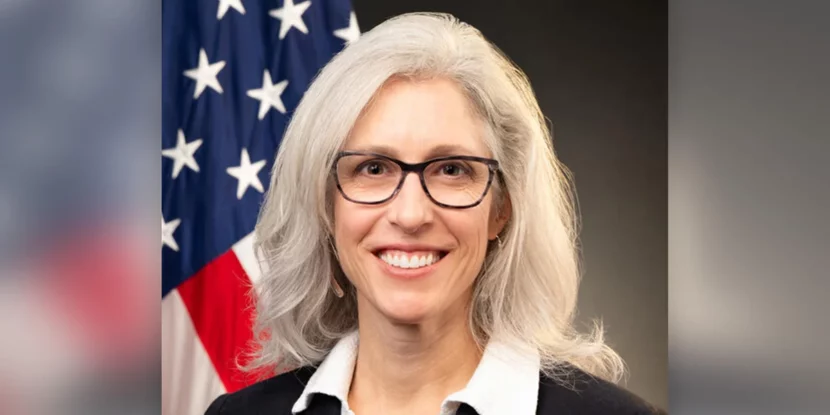
New CDC Nominee Is a Career Govt Scientist Backed by Biden COVID Advisor.

Dr. Susan Monarez has been tapped as the new nominee to serve as the director of the U.S. Centers for Disease Control and Prevention (CDC) after the abrupt withdrawal of Dr. Dave Weldon’s nomination earlier this month. While Weldon—a former Republican Congressman from Florida and medical doctor—was seen as a skeptic of the public health establishment and the pharmaceutical industry’s influence over government, the decision to replace him with Dr. Monarez raises concerns that serious reform of the CDC is being abandoned.

Currently the acting director of the CDC, Dr. Susan Monarez does represent a slight departure from traditional director nominees in that she is not a medical doctor. Instead, the federal government scientist holds a Ph.D. in microbiology and immunology.

Additionally, Monarez—who joined the federal government in 2006—has not worked in traditional public health policy roles. Instead, the government scientist has primarily worked with the National Security Council, the White House’s Office of Science and Technology Policy, and the Department of Homeland Security (DHS). Before moving to the CDC, Dr. Monarez was the deputy director of the Advanced Research Projects Agency for Health (ARPA-H), where she oversaw research into artificial intelligence (AI) and health technology.

A SWAMPY CHOICE.

Monarez’s resume objectively suggests she is an unusually ‘swampy’ choice to be elevated to a position that will require spearheading significant policy reform. Her potential ties to entrenched intelligence community and technology interests could draw scrutiny from lawmakers during her Senate confirmation hearing. Additionally, her nomination has received concerning praise from public health officials tied to the former Biden government’s COVID-19 response, notably from Dr. Tom Inglesby of Johns Hopkins University.

Dr. Inglesby, who directs the Johns Hopkins Center for Health Security at the Bloomberg School of Public Health, advised the Biden government on its COVID-19 response and consulted with the Departments of Health and Human Services (HHS) and Defense (DoD). After Monarez’s nomination as CDC Director was announced yesterday, Inglesby praised the choice, calling Monarez “a very good scientist and a very capable person.” He added: “She’s very committed to public health and good government. Politics is not her thing… I think she will be a strong leader for the CDC.”

Ultimately, Dr. Monarez’s nomination likely resulted from her being a safe choice following Senate Republican resistance to the Weldon nomination over his views on potential links between vaccines and autism. In a statement on the withdrawal, Weldon said he believed opposition from Senators Susan Collins (R-ME) and Bill Cassidy (R-LA) likely sunk his nomination.

Image via CDC.

show less
Dr. Susan Monarez has been tapped as the new nominee to serve as the director of the U.S. Centers for Disease Control and Prevention (CDC) after the abrupt withdrawal of Dr. Dave Weldon's nomination earlier this month. While Weldon—a former Republican Congressman from Florida and medical doctor—was seen as a skeptic of the public health establishment and the pharmaceutical industry's influence over government, the decision to replace him with Dr. Monarez raises concerns that serious reform of the CDC is being abandoned. show more