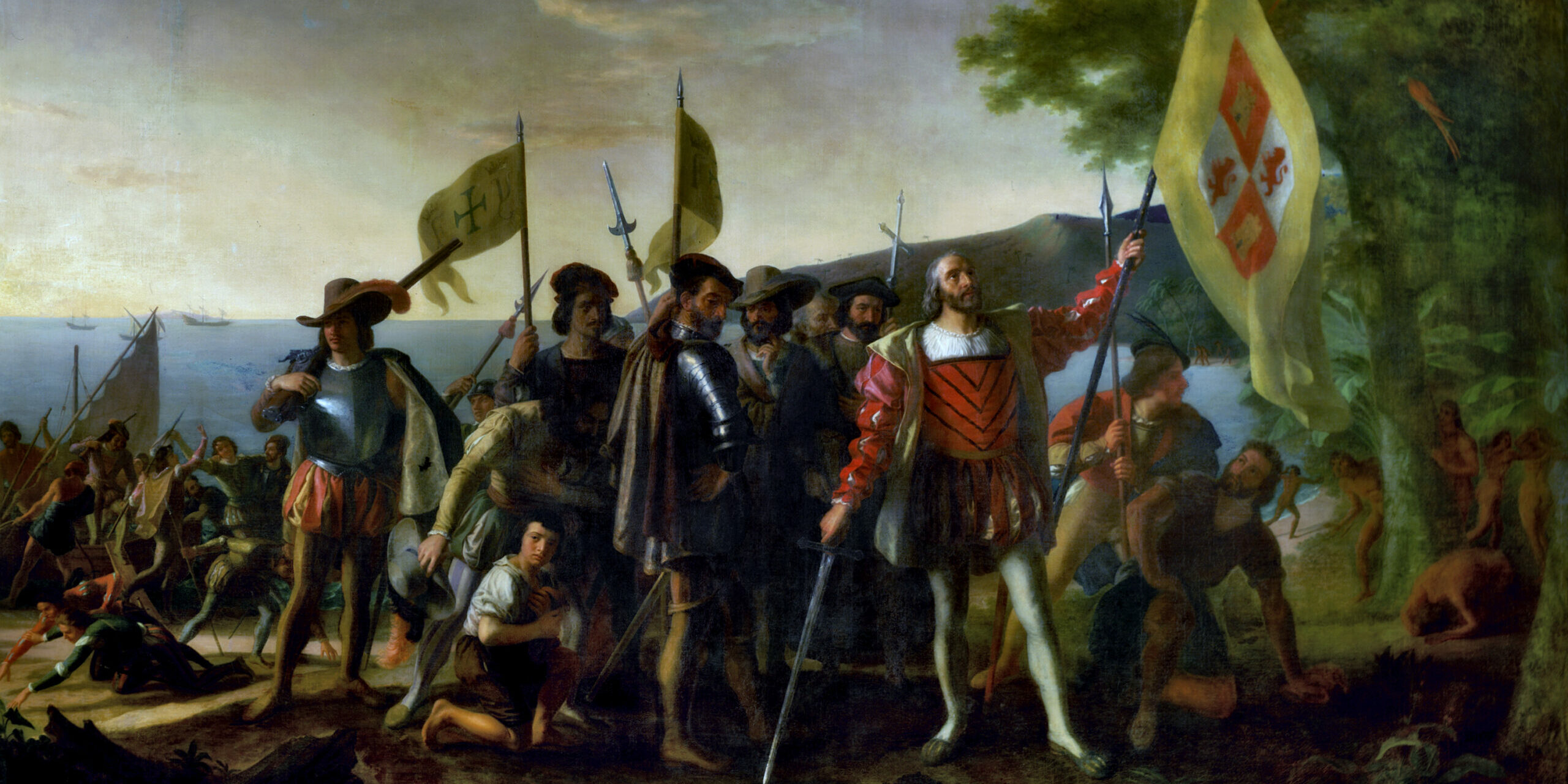
For generations, Columbus Day stood as a proud national holiday, celebrating the Italian explorer’s daring voyage across the Atlantic, which set the stage for the later establishment of the North American colonies that birthed the United States. His legacy includes the District of Columbia, which hosts the nation’s capital, and the state capitals of Columbus, Ohio, and Columbia, South Carolina—but the man, and his holiday, faced a sustained, relentless assault from woke activists and academics over recent years.
Democrats enthusiastically encouraged and even participated in this assault, with Joe Biden proclaiming the rival Indigenous Peoples’ Day on his first year in office, following Democrat-led states such as California, Maine, and New Mexico. Sometimes, the tearing down of Columbus’s legacy has been literal rather than merely figurative, with at least 33 statues of the explorer pulled down by mobs or removed by craven local officials during the Black Lives Matter riots of 2020.
In many ways, the elevation of Indigenous Peoples’ Day as a de facto Anti-Columbus Day was the high point of the leftist culture of national self-loathing, smearing the United States as not just a country with a shameful, ugly history, but as a country that should not even exist. That’s why President Trump’s pledge to bring the holiday “back from the ashes” in April was so significant, and why the presidential proclamation that followed through on that pledge last week was so important.
Pulse+ Analysis
Keep reading with Pulse+
This analysis is for Pulse+ members. No billionaires, no corporate cash. Just readers like you.
- Every Pulse+ analysis and investigation, in full
- Ad-free reading across The National Pulse
- Editor’s Notes and members-only comments
First month free · Cancel anytime
Already a member? Sign in