





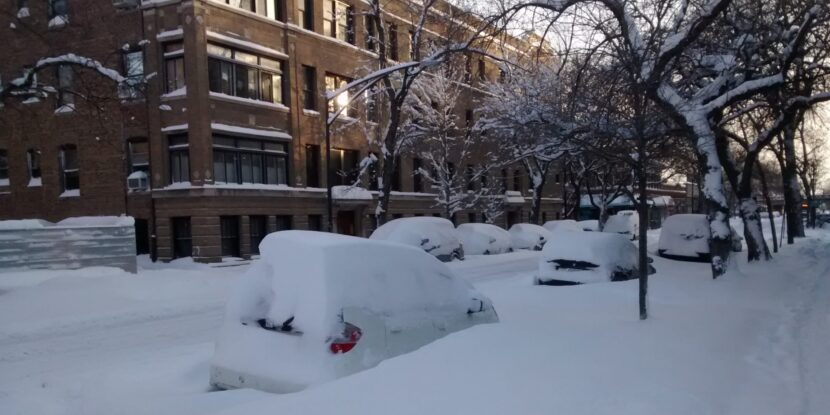
❓WHAT HAPPENED: A polar vortex is set to bring extreme cold temperatures and winter storms to the United States, affecting up to 30 states.
👤WHO WAS INVOLVED: The National Weather Service issued advisories; climatologist Judah Cohen provided analysis.
📍WHEN & WHERE: Beginning Tuesday night, impacting regions from Maine to Nebraska, with the Midwest and Great Plains particularly affected.
💬KEY QUOTE: “The cold the first week of December is the appetizer and the main course will be in mid-December.” – Judah Cohen
🎯IMPACT: Dangerous cold, crashes, school closures, and snowstorms already affecting millions, with more to come.
Winter weather warnings have been issued across 30 states as a polar vortex prepares to bring some of the coldest temperatures on Earth to the United States. The National Weather Service has issued advisories, warning of extreme temperatures that could feel as low as -30°F, along with potential snowstorms.
A polar vortex is a large, low-pressure system of cold air that typically resides above the North Pole. Normally held in place by strong winds, this vortex has been disrupted by storms and high-pressure systems, sending icy Arctic air southward into the U.S., potentially chilling 235 million Americans.
Winter storms are expected to stretch from Maine to Nebraska, with wind chills making temperatures feel as low as -10 to -30°F in regions like the Midwest and Great Plains. The storm system has already caused significant disruptions, including crashes and school closures in Missouri, over a foot of snow in Iowa, and poor visibility for drivers in New York.
The East Coast is bracing for similar conditions, with areas such as Albany already experiencing cold weather. Several states in the Midwest, including Iowa, Illinois, Indiana, and Michigan, are also facing snowstorms and temperatures dropping into the single digits. A 45-car pileup on Interstate 70 in Indiana over the weekend highlighted the dangers, though no serious injuries were reported.
Judah Cohen, a climatologist and research scientist at MIT, stated, “My thinking is that the cold the first week of December is the appetizer and the main course will be in mid-December.” He noted that computer models predict the most extreme cold will stretch from the Canadian Plains to the U.S. East Coast in the third week of December, though snow predictions remain uncertain beyond a few days.
Join Pulse+ to comment below, and receive exclusive e-mail analyses.


















.jpg)

.jpg)


