




❓WHAT HAPPENED: The European Union’s unelected executive, the European Commission, fined Elon Musk’s social media platform X (formerly Twitter) $140 million for alleged violations of the bloc’s Digital Services Act.
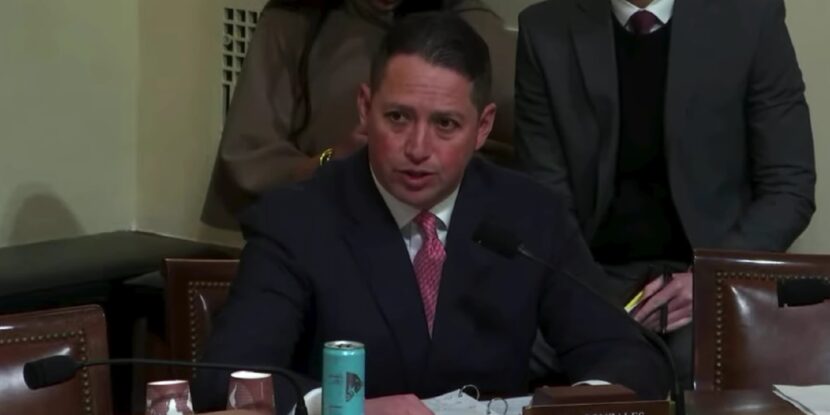
👤WHO WAS INVOLVED: U.S. Secretary of State Marco Rubio, Elon Musk, and the European Commission.
📍WHEN & WHERE: The fine was announced on Friday by the European Commission.
💬KEY QUOTE: “The European Commission’s $140 million fine isn’t just an attack on [X], it’s an attack on all American tech platforms and the American people by foreign governments. The days of censoring Americans online are over.” – Marco Rubio
🎯IMPACT: Rubio framed the fine as a broader attack on American technology companies and free speech, signaling growing tensions between the U.S. and EU over digital regulations and censorship.
U.S. Secretary of State Marco Rubio has condemned the European Commission’s decision to impose a $140 million fine on X (formerly Twitter) on December 5, saying the penalty is “not just an attack on [X], it’s an attack on all American tech platforms and the American people by foreign governments.” He added: “The days of censoring Americans online are over.”
Vice President J.D. Vance also commented on the situation the day prior, saying, “Rumors swirling that the EU [C]ommission will fine X hundreds of millions of dollars for not engaging in censorship. The EU should be supporting free speech not attacking American companies over garbage.”
The fine, the first under the European Union’s Digital Services Act (DSA), targets three alleged violations: supposedly deceptive use of X’s blue checkmark verification badge, insufficient transparency in its ad database, and blocking researchers’ access to certain public data.
The Commission, an unelected body that serves as the EU’s executive and the main initiator of EU-level legislation like the DSA, argued that by allowing users to purchase blue checkmarks, X misled others into believing those accounts were in some way officially verified. It also stated that the platform failed to meet the required transparency standards for advertising and data access, obligations set out in the DSA to ensure safety, accountability, and public interest oversight.
The DSA requires platforms operating in the EU to remove illegal or so-called harmful content, ensure transparency in advertising and moderation, and provide independent access to data for researchers and regulators.
Critics, including U.S. officials and some tech‑industry observers, argue that such regulation masks a censorship regime. For instance, the U.S. State Department recently denounced the DSA as “Orwellian,” saying it effectively enables European governments to police political expression online.
Join Pulse+ to comment below, and receive exclusive e-mail analyses.