






❓WHAT HAPPENED: The United Grand Lodge of England (UGLE) is seeking an injunction against a new Metropolitan Police policy requiring officers to declare Freemasonry membership.
👤WHO WAS INVOLVED: The United Grand Lodge of England, London’s Metropolitan Police force, and the Daniel Morgan Independent Panel.
📍WHEN & WHERE: Monday, December 29, 2025, United Kingdom.
💬KEY QUOTE: The UGLE claims the policy “breaches human rights and GDPR [General Data Protection Regulation] rules” and “unfairly impugns the integrity of its members.”
🎯IMPACT: UGLE has launched legal proceedings, arguing the policy rollout should be halted during the consultation process.
The Freemasons under the United Grand Lodge of England (UGLE) have begun legal proceedings against London‘s Metropolitan Police force over a new policy that requires officers and staff to declare whether they are current or former members of Freemasonry or similar organizations. The policy applies to hierarchical groups with secret membership, obliging members to “support and protect” one another.
UGLE argues that the requirement breaches human rights law and data protection rules under the General Data Protection Regulation (GDPR), and that the police failed to conduct a proper consultation before introducing the measure. The organization says the policy unfairly implies that Freemasons working in policing lack integrity or professionalism, despite no evidence of wrongdoing by the group as a whole.
The Metropolitan Police introduced the disclosure rule following recommendations from the Daniel Morgan Independent Panel report. The report examined the 1987 murder of private investigator Daniel Morgan and found “recurring suspicion and mistrust” linked to Freemasonry among police officers involved in the case. While the force agreed to consult on the new policy, it has not suspended implementation during the consultation period, prompting UGLE to seek an injunction to pause the rollout while the legal challenge is considered.
The dispute comes amid wider debates in Britain about privacy, transparency, and the reach of the state. Earlier this year, controversy erupted after reports surfaced that British authorities had sought to compel Apple to weaken iCloud’s end-to-end encryption, allowing for greater access to user data. The move drew international criticism, including comments from President Donald J. Trump, who compared Britain’s demand to surveillance practices associated with authoritarian states, saying it resembled what “you hear about with China.”
Later reports indicated that British demands for access to encrypted data held by Apple were defeated following resistance from the Trump administration, which raised concerns about privacy, cross-border data protections, and the security of encrypted communications.
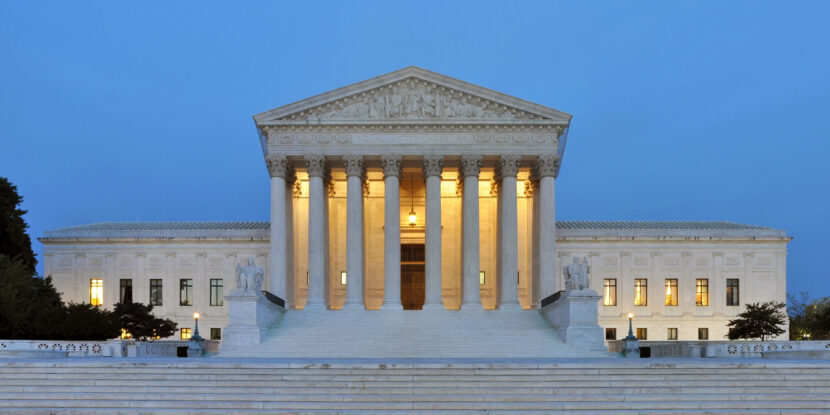
Image: © User:Colin / Wikimedia Commons / CC BY-SA 4.0.
Join Pulse+ to comment below, and receive exclusive e-mail analyses.












.jpeg)


