



❓WHAT HAPPENED: President Donald J. Trump expressed readiness to back Israeli strikes on Iran if it continues advancing its nuclear and missile programs.
👤WHO WAS INVOLVED: President Trump, Israeli Prime Minister Benjamin Netanyahu, and Iranian officials.
📍WHEN & WHERE: December 29, 2025, at Mar-a-Lago in Palm Beach, Florida.
💬KEY QUOTE: “Now I hear that Iran is trying to build up again, and if they are, we have to knock them down. We’ll knock the hell out of them.” – Donald J. Trump
🎯IMPACT: The meeting highlights ongoing tensions in the Middle East and the challenges in advancing Trump’s Gaza peace plan.
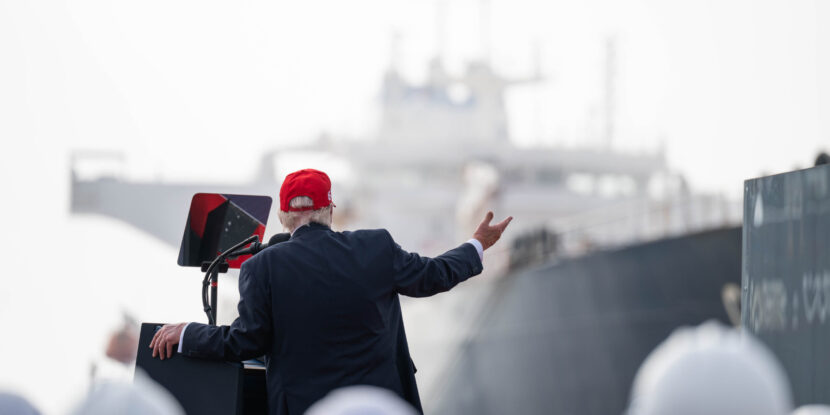
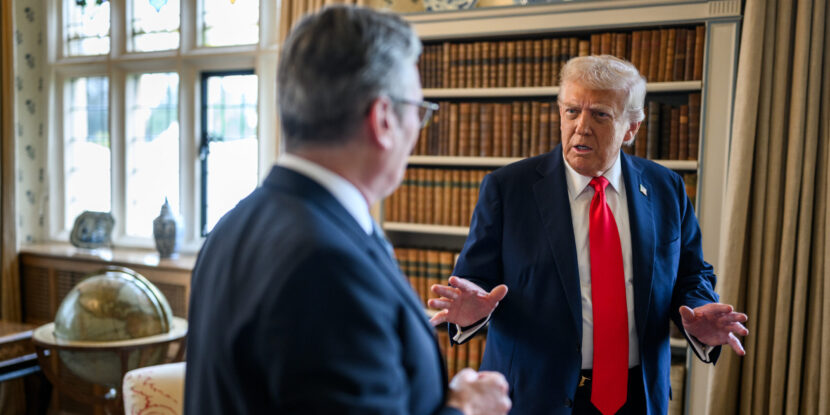
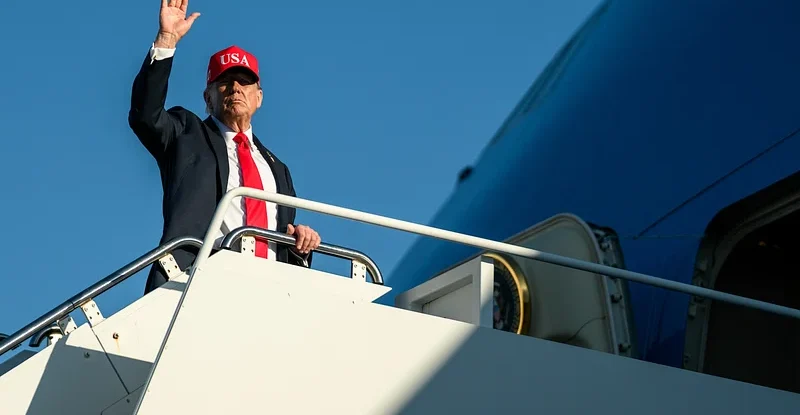
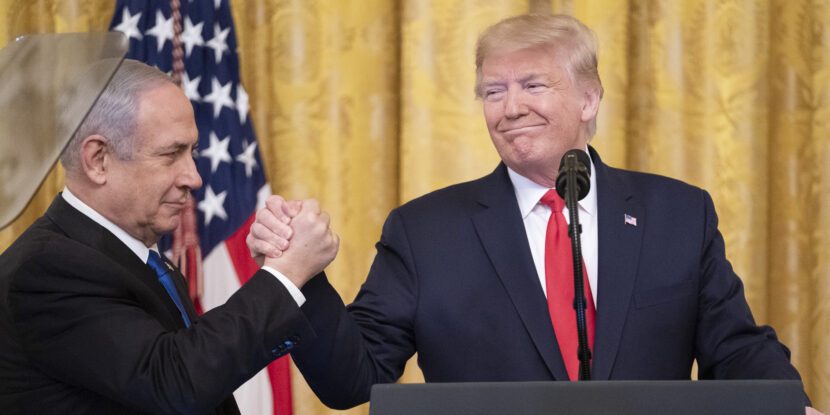
President Donald J. Trump said he is prepared to support Israeli military action against Iran if Tehran continues advancing its nuclear and ballistic missile programs. Speaking to reporters ahead of a meeting with Israeli Prime Minister Benjamin Netanyahu at Mar-a-Lago, Trump said, “Now I hear that Iran is trying to build up again, and if they are, we have to knock them down. We’ll knock the hell out of them.” He added, “But hopefully that’s not happening. I heard Iran wants to make a deal. If they want to make a deal, that’s much smarter.”
The meeting marked the fifth face-to-face encounter between Trump and Netanyahu this year and came amid ongoing regional tensions following a fragile ceasefire between Israel and Hamas brokered by Trump in October. Both Israel and Hamas have since accused each other of violating the agreement, complicating efforts to stabilize Gaza.
Trump also addressed Netanyahu’s legal troubles, suggesting that a pardon related to corruption allegations against the Israeli leader is “on its way” and praising Netanyahu for doing a “phenomenal job.” Israel’s president, Isaac Herzog, denied that any discussions about a pardon had taken place, stating there had been no conversation with Trump on the matter.
Talks between the two leaders also covered the next phase of Trump’s Gaza peace initiative, which envisions a technocratic Palestinian administration overseeing reconstruction. Progress has been uneven, with unresolved issues including Hamas’s refusal to fully disarm and uncertainty over who would provide long-term security in Gaza.
Iran remained a central focus of the discussions. Earlier this year, Tehran halted cooperation with the United Nations’ nuclear watchdog, the International Atomic Energy Agency (IAEA), effectively suspending inspections of its nuclear facilities. The move heightened concerns in Washington and Jerusalem about Iran’s nuclear intentions and reduced international oversight of its program.
In August, War Secretary Pete Hegseth removed the head of the Defense Intelligence Agency (DIA) following the leak of an assessment that questioned the effectiveness of U.S. strikes on Iranian nuclear infrastructure. More recently, the Trump administration increased deportations of Iranian nationals from the United States, signaling a broader hardening of policy toward Tehran.
Join Pulse+ to comment below, and receive exclusive e-mail analyses.