The National Pulse
Your free, daily feed from The National Pulse.
Thank You!
You are now subscribed to our newsletter.
Nightly. Thursday, April 16, 2026 • Nº 6 | Where MAGA goes to know. |
|
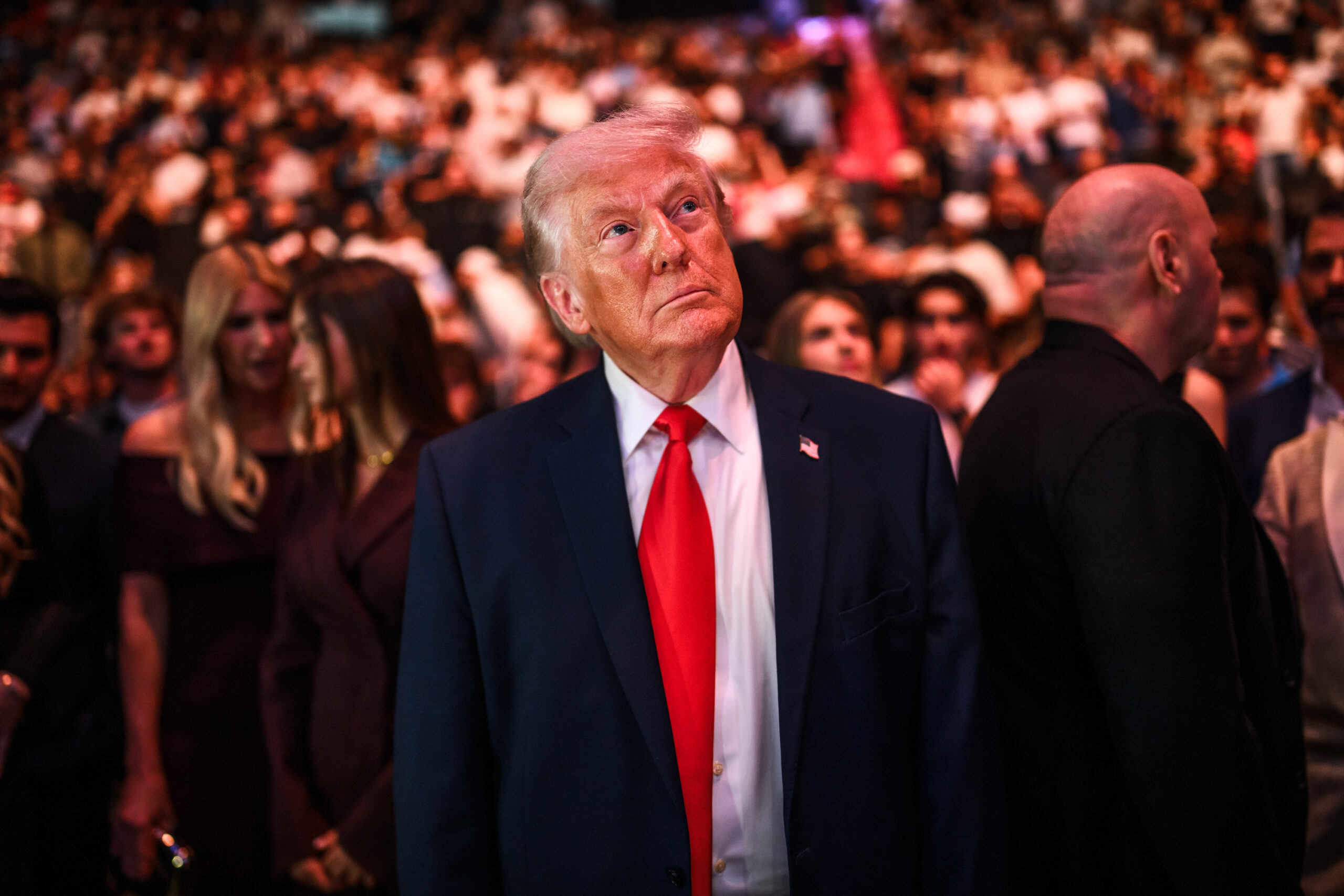 | Photo of the Day Official White House Photo | PHOTO: White House |
|
— From the Editor — Welcome to the real news. Today we learned that very lefty NPR is receiving $113 million in mega donations — while sites like The National Pulse continue to rely on our loyal readers for support, operating on a budget of roughly 1/150th of that. What a terrible state right-leaning media finds itself in. No wonder stories like our lead tonight scarcely get covered elsewhere. It is an absolute travesty — one you must read, share, and take seriously — given what we now know about the COVID vaccine regime. If this publication matters to you, please join The National Pulse and help us stay in the fight. Or, if you prefer, you can donate here. Raheem J. Kassam Editor-in-Chief |
|
■ Pulse Points / THE SCIENCE™ WAS POLITICS ALL ALONG | What Happened — Britain’s official COVID-19 inquiry has reported that the country’s mandatory vaccination policies were “political and not led by clinical advice,” exacerbating distrust of a health care system that nearly collapsed during the pandemic. The Detail — The inquiry report warns that rebuilding trust will be critical before any future pandemic, and criticized the system for inadequately compensating people harmed by vaccines — recommending higher payouts and broader eligibility. The British government mandated vaccines for healthcare workers and required vaccination passports to enter certain venues and travel overseas. The findings come as part of a wider investigation into Britain’s pandemic response, which has already warned that the socialized National Health Service (NHS) came close to being overwhelmed. Key Quote — “While the majority of people took up the offer of vaccination, there was lower uptake within communities in areas of higher deprivation and in some ethnic minority communities. For many, their concerns centered on the safety of vaccines and possible side effects.” – Inquiry Chairwoman Baroness Heather Hallett Impact — Confirmation that the British government prioritized political considerations over science has further eroded public trust in government and the national health care system. Baroness Hallett criticized the decision to restrict compensation to victims deemed at least 60 percent disabled, leaving those with significant but lesser injuries with nothing. |
|
2 | Iran War · Energy Europe Is Perilously Low on Jet Fuel The IEA is warning that Europe faces mass flight cancellations within weeks as the Iran war chokes off global jet fuel supplies. |
|
■ Pulse Points / RUNNING ON EMPTY | What Happened — IEA Executive Director Fatih Birol has warned that Europe may face jet fuel shortages within weeks if the Strait of Hormuz remains blocked, with global repercussions including widespread flight cancellations. The Detail — The crisis is being described as one of the most severe global energy disruptions in history, with ripple effects across economies worldwide. Rising fuel costs are driving inflation in gasoline, natural gas, electricity, and fertilizer prices. European airports and airlines are already expressing concern about shortages ahead of the summer travel season. In response to Iran’s closing of the Strait and a breakdown in peace negotiations, President Trump announced that America would blockade ships leaving Iranian ports. Key Quote — “I can tell you soon we will hear the news that some of the flights from city A to city B might be canceled as a result of lack of jet fuel.” – Fatih Birol, IEA Executive Director Impact — The knock-on economic impact on countries in Europe that rely heavily on tourism could devastate some areas, with fuel shortages at some airports potentially occurring within weeks if the blockade continues. |
|
■ Pulse Points / FOREIGN AFFAIRS | What Happened — FEC filings reveal that Miriam Adelson, the Tel Aviv-born widow of Israeli-American billionaire Sheldon Adelson, is the largest donor to Republican super PACs ahead of the 2026 midterms — donating $30 million to the Senate Leadership Fund and $10 million to the Congressional Leadership Fund. Meanwhile, Budapest-born billionaire George Soros is the largest donor to Democrat super PACs. The Detail — Adelson is a strong supporter of Israel and its military actions in the Middle East. The two GOP super PACs raised over $110 million combined. On the other side, Soros poured $50 million into his Democracy PAC, which later allocated $9 million to the Senate Majority PAC. Impact — Adelson’s donations may influence Republican candidates’ stance on the Iran war at a time when the conflict is dividing the party’s base. Polling by the Democracy Institute shows 52 percent of GOP voters oppose the war, and 51 percent believe Israel has too much influence over U.S. foreign policy. Flashback — “I’m gonna get her in trouble with this, but I actually asked her once, ‘So Miriam, I know you love Israel. What do you love more, the United States or Israel?’ She refused to answer. That means, that might mean Israel.” – President Donald J. Trump, speaking in Israel in 2025. |
|
■ Pulse Points / SWAT THAT SETTLEMENT | What Happened — Pro-life activist Mark Houck has reached a settlement exceeding $1 million with the Department of Justice after suing over his 2022 FBI arrest. Houck had been accused of violating the FACE Act following a 2021 altercation outside a Planned Parenthood clinic, but was acquitted by a jury in 2023. The Detail — In 2022, a SWAT team of approximately 25 agents arrested Houck at his home in front of his children. His lawsuit accused the DOJ of conducting a “faulty investigation” and using “excessive force.” A recent DOJ report revealed evidence of selective prosecution against pro-life activists, including coordination with pro-abortion groups and withholding of evidence. Key Quote — “This Department will not tolerate a two-tiered system of justice… The weaponization that happened under the Biden Administration will not happen again.” – DOJ Acting Attorney General Todd Blanche Flashback — Emails from the DOJ’s internal investigation reveal Biden officials referring to Christian pro-lifers as “culty” and working to exclude them from jury pools. Pro-life defendants faced more than double the average prison terms sought for pro-abortion defendants in FACE Act cases. |
|
5 | Crime · J6 J6 Pipe Bomber Hit with Additional Charges Brian Cole Jr. now faces weapons of mass destruction and terrorism charges for planting functional pipe bombs outside DNC and RNC headquarters the night before January 6. |
|
■ Pulse Points / BOOM GOES THE INDICTMENT | What Happened — Brian Cole Jr., 30, of Virginia, has been indicted on new felony charges for allegedly planting pipe bombs near the DNC and RNC headquarters the night before January 6, 2021. The updated indictment includes charges of attempting to use weapons of mass destruction and committing an act of terrorism while armed. The Detail — Cole had previously been arrested in December on charges of transporting and placing the devices, which the FBI confirmed were functional, though they did not detonate. Court filings reveal Cole admitted to constructing and planting the bombs, citing frustration over the 2020 election and dissatisfaction with both parties. He reportedly told investigators “something just snapped.” Impact — Cole remains in pre-trial detention after a judge ruled he poses a significant danger to the community, rejecting defense proposals for monitored release. Flashback — The pipe bomb investigation remained unsolved for years, with Trump making it a priority after returning to office. FBI Director Kash Patel stressed that Cole was snared after a thorough reexamination of existing evidence, branding the former Biden regime “negligent” and “incompetent” for failing to identify a suspect. |
|
■ Pulse Points / DEMOCRATIC VALUES | What Happened — Former Virginia Lieutenant Governor Justin Fairfax (D) fatally shot his estranged wife, Cerina, and then turned the gun on himself in their Annandale, Virginia home early Thursday morning. Their teenage children, aged 14 and 16, were present in the house but unharmed. The Detail — The couple, though separated, had been living under the same roof using separate bedrooms. Cerina had filed for divorce last year, with a hearing scheduled for next week. Police believe recent court paperwork served to Fairfax may have triggered the attack. Officers had been called to the home in January over an alleged domestic dispute, determined at the time to be unfounded. Impact — The murder-suicide leaves the couple’s two teenagers orphaned and raises serious questions about whether authorities failed to act on previous warning signs of domestic violence. Flashback — Fairfax’s political career was overshadowed by allegations of sexual assault in 2019 and again during his 2021 gubernatorial campaign. His wife, Cerina, supported him publicly during that period, though their relationship later deteriorated. |
|
■ Pulse Points / SORRY, NOT SORRY | What Happened — Rama Duwaji, wife of New York City Mayor Zohran Mamdani (D), issued a public apology for old social media posts where she praised Palestinian terrorists and used offensive language, including racial slurs. The Detail — Posts exposed in March included one celebrating Shadia Abu Ghazaleh, an aircraft hijacker and member of the U.S.-designated terrorist group Popular Front for the Liberation of Palestine (PFLP). Other posts included a racial slur for black people. Her X and Tumblr accounts were deleted following the exposé. Duwaji has also faced scrutiny for providing art for an essay by an author who praised October 7 and referred to “Jewish supremacist vampires,” and her Instagram has been observed liking posts celebrating the October 7 attacks. Key Quote — “When a tabloid recently published old tweets I wrote as a teenager, I felt a lot of shame being confronted with language I used that is so harmful to others; being 15 doesn’t excuse it.” – Rama Duwaji Impact — Duwaji’s apology has reignited scrutiny of her and Mayor Mamdani regarding their views on Israel and the Middle East, raising concerns for Jewish residents of New York City and the influence the couple may have on city policy. |
|
■ Pulse Points / SURPRISE! HE’S BASICALLY ORBÁN | What Happened — Hungary’s incoming Prime Minister Péter Magyar has announced that his government will not participate in the EU Migration Pact, and pledged to reinforce Hungary’s border “even more.” Magyar also appears set to cut legal immigration by eliminating non-EU guest worker programs. The Detail — Magyar’s stance comes after his election defeat of outgoing PM Viktor Orbán. EU officials openly celebrated the result — but while Magyar has signaled greater cooperation with Brussels on some issues (such as not blocking a €90 billion loan to Ukraine), he will remain firmly opposed to EU migration policies. Key Quote — “Hungary will not accept any pact. In fact, I’m going to reinforce the border fence even more.” – Péter Magyar Impact — Magyar’s rejection of the Migration Pact signals Hungary will remain a key opponent of EU open border policies despite the establishment’s celebration. Notably, Magyar was until 2024 a member of Orbán’s own party — suggesting his government may not be the sharp break from Orbánism that globalists have been hoping for. |
|
 |
 | 1. In 1789, George Washington departed Mount Vernon for New York City to be inaugurated as the first President of the United States. | | 2. In 1862, President Lincoln signed the District of Columbia Compensated Emancipation Act, abolishing slavery in Washington, D.C. — nine months before the Emancipation Proclamation. | | 3. In 1912, aviator Harriet Quimby became the first woman to fly solo across the English Channel, crossing from Dover to Hardelot, France, in just over an hour. | | 4. In 1943, Swiss chemist Albert Hofmann accidentally discovered the psychedelic effects of LSD after absorbing a small quantity through his fingertips in his laboratory in Basel. | | 5. In 1947, the Texas City Disaster struck when a French cargo ship loaded with ammonium nitrate exploded in port, triggering a chain of blasts that killed nearly 600 people and injured thousands — the deadliest industrial accident in U.S. history. | | 6. In 1963, Dr. Martin Luther King Jr. wrote his celebrated “Letter from Birmingham Jail” while imprisoned for civil rights protests, making the moral case for nonviolent direct action against unjust laws. | | 7. In 1972, Apollo 16 launched from Cape Canaveral, carrying astronauts John Young, Charles Duke, and Ken Mattingly toward the lunar highlands of Descartes. | | 8. In 2007, a gunman killed 32 people at Virginia Tech in Blacksburg, Virginia — at the time the deadliest mass shooting in U.S. history. | | 9. In 2013, authorities identified brothers Dzhokhar and Tamerlan Tsarnaev as the suspects behind the Boston Marathon bombing, three days after the attack killed three and wounded hundreds. |
|
|
|













 FLASHBACK: The incident comes just weeks after a high-profile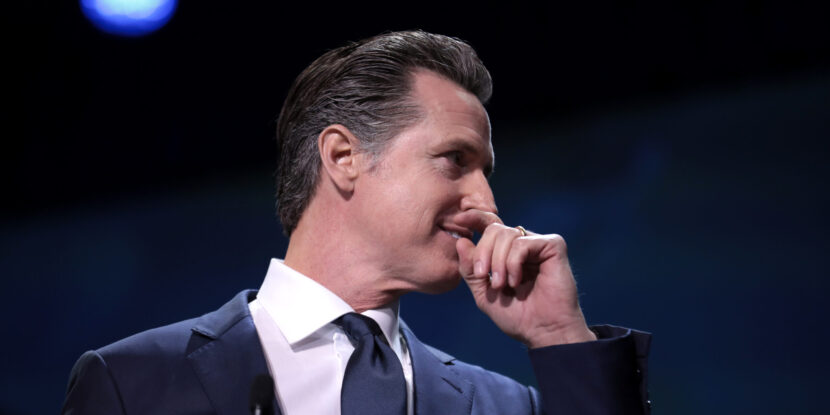




.jpg)

_(33391198042).jpg)


.jpg)

.jpg)


