



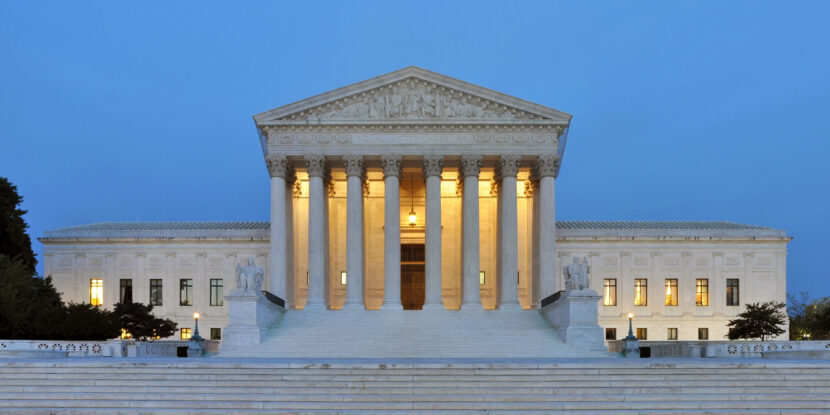

❓WHAT HAPPENED: The U.S. Supreme Court on Wednesday cleared the way for several legal challenges to an Illinois law requiring election officials to count mail-in ballots received well after Election Day to proceed.
👤WHO WAS INVOLVED: The U.S. Supreme Court, Chief Justice John Roberts, Congressman Michael Bost (R-IL), the U.S. Court of Appeals for the Seventh Circuit, and the Illinois State Board of Elections.
📍WHEN & WHERE: The ruling was issued on Wednesday, January 14, 2026, with litigation in the lower court now ongoing.
💬KEY QUOTE: “Nothing about Article III requires this result. Candidates have a concrete and particularized interest in the rules that govern the counting of votes in their elections, regardless whether those rules harm their electoral prospects or increase the cost of their campaigns.” — Chief Justice John Roberts
🎯IMPACT: Bost v. Illinois State Board of Elections could prove to be a foundational case in election law, impacting whether states can effectively extend Election Day beyond its constitutionally mandated date.
The U.S. Supreme Court on Wednesday cleared the way for several legal challenges to an Illinois law requiring election officials to count mail-in ballots received well after Election Day to be counted in the final vote tally to proceed, reversing a lower court decision that found the plaintiffs—who are or were candidates for office—lacked standing. Congressman Michael Bost (R-IL), along with Presidential elector nominees Laura Pollastrini and Susan Sweeney, filed a lawsuit against the Illinois State Board of Elections challenging a state law that requires officials “…to count mail-in ballots postmarked or certified no later than election day and received within two weeks of election day.”
Both a U.S. District Court and the U.S. Court of Appeals for the Seventh Circuit ordered the lawsuit dismissed on the grounds that the plaintiffs lacked standing. However, Supreme Court Chief Justice John Roberts found the Article III standing determination by the lower courts to be unfounded.
“Nothing about Article III requires this result. Candidates have a concrete and particularized interest in the rules that govern the counting of votes in their elections, regardless whether those rules harm their electoral prospects or increase the cost of their campaigns,” Chief Justice Roberts wrote for the majority. He continued, “Their interest extends to the integrity of the election—and the democratic process by which they earn or lose the support of the people they seek to represent.”
“As a candidate for office, Congressman Bost has standing to challenge the rules that govern the counting of votes in his election,” Roberts concluded, ordering: “The judgment of the United States Court of Appeals for the Seventh Circuit is reversed, and the case is remanded for further proceedings consistent with this opinion.”
Bost v. Illinois State Board of Elections could prove to be a foundational case in election law, impacting whether states can effectively extend Election Day beyond its constitutionally mandated date. While the Supreme Court did not offer any definitive ruling or indication on the constitutionality of counting mail-in ballots received after Election Day, litigation over the matter will be allowed to proceed—suggesting the high court anticipates taking up the matter on its merits in the future.
Join Pulse+ to comment below, and receive exclusive e-mail analyses.