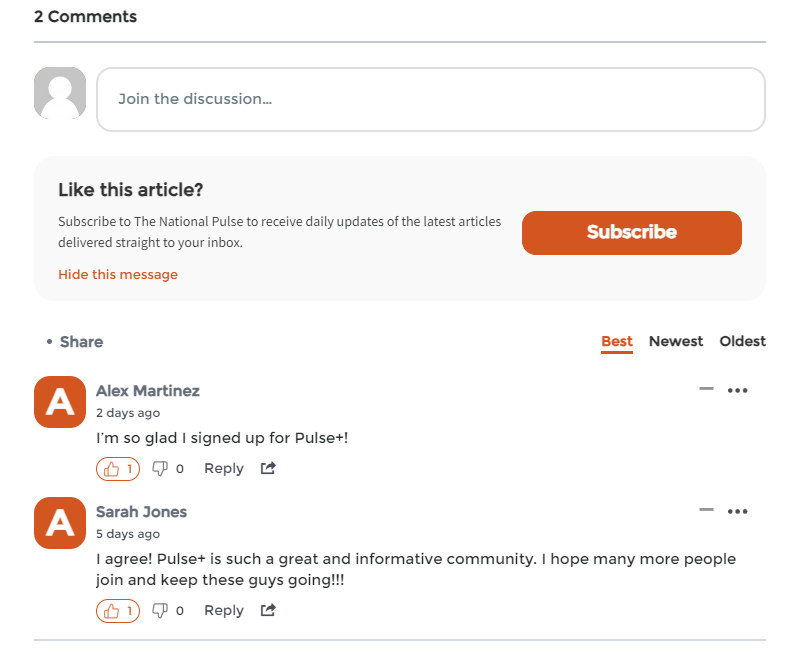




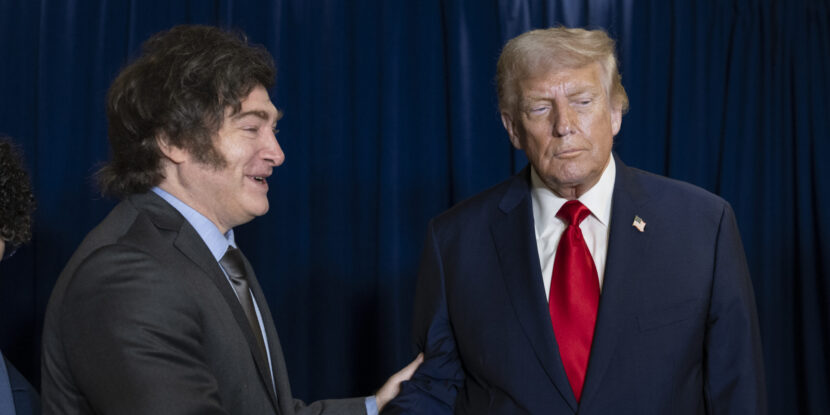

❓WHAT HAPPENED: Argentina’s President Javier Milei, a supposed ally of the Trump administration, appears to have done an about-face, cozying up to the Chinese Communist Party (CCP) and opening his country to a huge number of electric vehicles imported from China.
👤WHO WAS INVOLVED: Javier Milei, Chinese electric vehicle companies like BYD, U.S. President Donald J. Trump, U.S. Treasury Secretary Scott Bessent, U.S. automakers, and the Chinese Communist Party (CCP).
📍WHEN & WHERE: A shipment of 5,800 BYD-made electric and hybrid vehicles arrived in Argentina earlier this week.
🎯IMPACT: The opening of Argentina to a flood of Chinese goods is a stunning rebuke to the U.S. after President Donald J. Trump signed a $20 billion currency swap deal that stabilized the South American nation’s currency last October, ahead of critical elections for Milei’s government.
Argentina’s President Javier Milei, a supposed ally of the Trump administration, appears to have done an about-face, cozying up to the Chinese Communist Party (CCP) and opening his country to a large number of electric vehicles imported from China. Under Milei, Argentina has reversed a number of import restrictions, especially on cheap Chinese-made automobiles, with a Chinese cargo ship delivering a stunning 5,800 BYD-made electric and hybrid vehicles earlier this week.
The opening of Argentina to a flood of Chinese goods is a stunning rebuke of the U.S., where President Donald J. Trump signed a $20 billion currency swap deal that stabilized the South American nation’s currency last October, ahead of critical elections for Milei’s government. Notably, the Argentine currency crisis was primarily the result of a panic sparked by corruption allegations within Mielei’s own La Libertad Avanza party, which prompted investors to flee the peso.
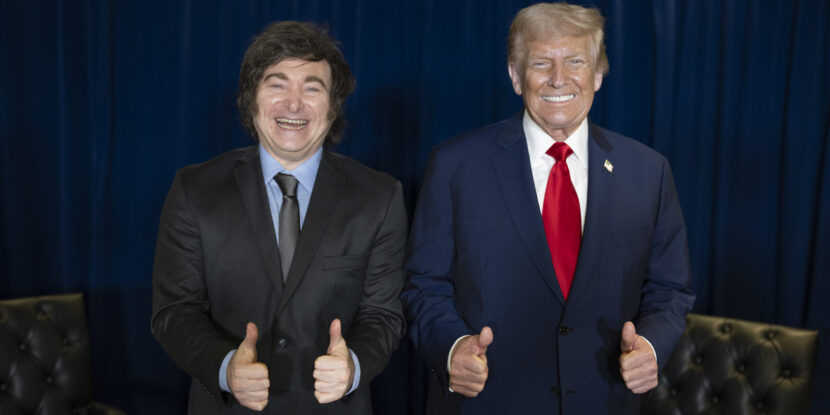
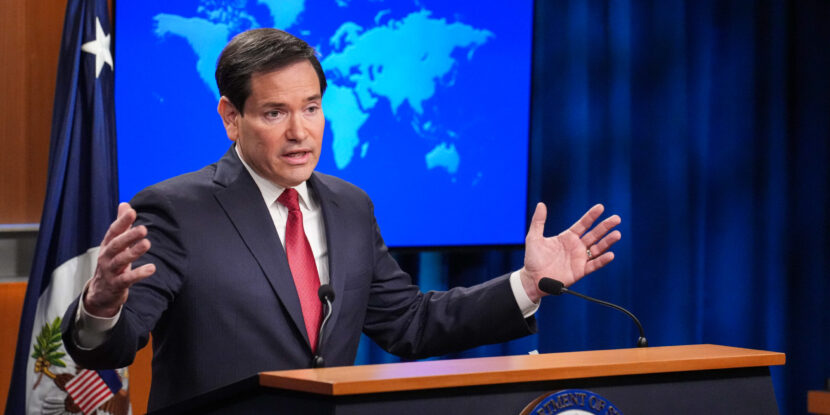
In response to the crisis, the U.S. Treasury Department took emergency measures to help stabilize Argentina’s economy and currency, as the country under Milei has been considered a staunch regional ally. Despite criticism from Democrats and some conservatives who viewed the aid as a bailout for a foreign nation, Trump‘s Treasury Secretary Scott Bessent stated at the time, “Argentina now has the opportunity to embrace economic freedom, and our stabilization agreement is a bridge to a better economic future for Argentina, not a bailout.”
Earlier this year, the Treasury Department announced that Argentina had repaid the funds it drew from the $20 billion currency swap. Still, President Milei effectively created a carve-out for Chinese electric vehicles, which are so cheap that they fall below Argentina’s $16,000 tariff threshold, unlike U.S. autos.
While Argentina’s under-maintained electric grid—for the moment—prevents total Chinese domination of its electric vehicle market, if improvements are made—possibly with Chinese financing—China is poised to run the table.
Join Pulse+ to comment below, and receive exclusive e-mail analyses.