




❓WHAT HAPPENED: Russia has responded strongly to U.S. President Donald J. Trump’s remarks about “taking” Cuba, condemning U.S. interference.
👤WHO WAS INVOLVED: President Trump, Russia’s foreign ministry, and Cuban President Miguel Díaz-Canel.
📍WHEN & WHERE: Statements were made in March 2026, with tensions centered on Cuba and its relations with the U.S. and Russia.
💬KEY QUOTE: “I do believe I’ll be having the honor of taking Cuba. That’s a big honor… Taking Cuba in some form.” – Donald Trump.
🎯IMPACT: Russia reaffirmed its support for Cuba, condemning U.S. sanctions and interference, while the island faces worsening economic conditions and protests.
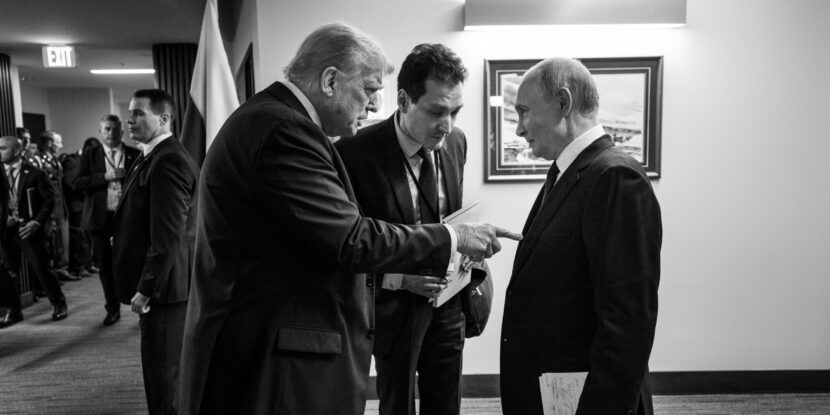
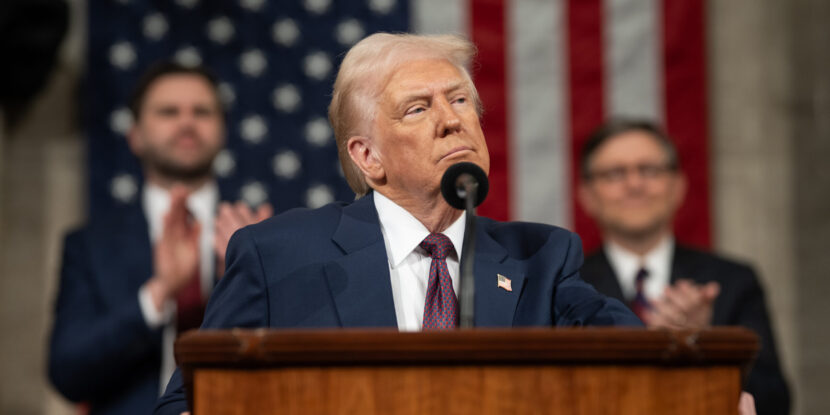
Long-time Cuban ally Russia is condemning U.S. President Donald J. Trump’s comments suggesting he believes he will have the “honor of taking Cuba” as the island nation faces worsening economic conditions, blackouts, and a U.S. oil blockade. Speaking in the Oval Office late Monday, Trump suggested, “Whether I free it, take it, I think I could do anything I want with it, if you want to know the truth. They are a very weakened nation right now.”
The Russian foreign ministry responded early Tuesday, stating, “Russia reaffirms its unwavering solidarity with the government and fraternal people of Cuba. We strongly condemn attempts of gross interference in the internal affairs of a sovereign state, intimidation, and the use of illegal unilateral restrictive measures.” The ministry also claimed the challenges Cuba faces are the result of U.S. policy, attributing the economic and energy grid collapse to American sanctions and embargoes.
In mid-February, The National Pulse reported that Russia announced it intended to defy the U.S. oil blockade of Cuba, though it appears promised petroleum shipments never materialized—at least on a scale that would provide any significant relief for the island’s communist regime. Notably, Cuba hosts several critical Russian and Chinese intelligence installations used to monitor American military activity, especially at U.S. Central Command (CENTCOM)—at MacDill Air Force Base in Tampa, Florida—and at U.S. Southern Command (SOUTHCOM)—in Doral, Florida.
Further, Cuba remains one of the last vestiges of Russian and Chinese influence in the Western Hemisphere—Cuba long relied on subsidies from the Soviet Union to keep its economy afloat. The collapse of the Caribbean island’s communist regime would likely send a profound message to the Global South that neither Russia nor China is capable of protecting their client states nor projecting power in any meaningful way into the United States’s backyard.
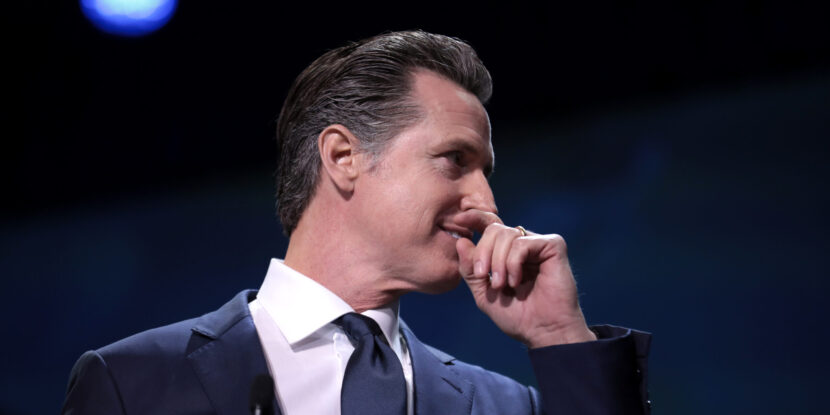
Over the weekend, anti-regime protestors in Moron, central Cuba, stormed the local communist party headquarters, destroying part of the building and setting it ablaze. The act was just one of the latest signs that Cuba’s communist leader, Miguel Díaz-Canel, is quickly losing his grip on power as he is reportedly negotiating with the U.S. State Department toward some form of transition of governance.
Join Pulse+ to comment below, and receive exclusive e-mail analyses.






.jpg)

.jpg)


.jpg)


