





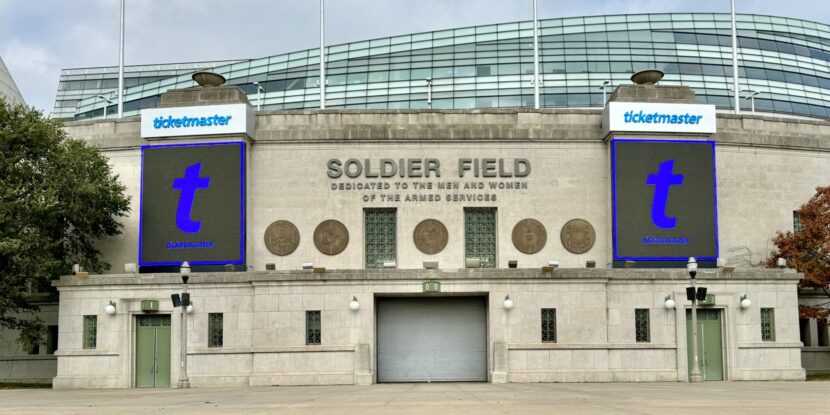
❓WHAT HAPPENED: Ticketmaster increased various fees as a response to new Federal Trade Commission (FTC) regulations banning hidden charges.
👤WHO WAS INVOLVED: Ticketmaster, Live Nation Entertainment, the Federal Trade Commission (FTC), and multiple venues.
📍WHEN & WHERE: Changes were made in response to new FTC rules after May 2025, impacting venues across the U.S.
💬KEY QUOTE: “Ticketmaster may effectively still be charging the fee, just disguising it as something else.” – Former FTC economist John Newman
🎯IMPACT: Ticketmaster’s fee adjustments have raised concerns about compliance with FTC rules and transparency to consumers.
Ticketmaster, coming off a questionable antitrust settlement deal with the U.S. Department of Justice (DOJ), has quietly increased certain upfront charges to offset the loss of revenue from “surprise” or “hidden” fees that had appeared at the end of transactions. Last May, the Federal Trade Commission (FTC) imposed new rules requiring upfront pricing and eliminating surprise fees at checkout. However, the latest fee scheme by Ticketmaster appears to still violate these regulations.
“To account for the loss of order processing revenue, we must adjust fees to offset the revenue loss,” the company wrote in a contract with the Findlay Toyota Center in Prescott Valley, Arizona, last year. The contract explained that Ticketmaster was offsetting revenue losses from the elimination of a $6 processing fee by increasing its service fee on each ticket.
The change appears to violate the new FTC regulations. “Ticketmaster may effectively still be charging the fee, just disguising it as something else. That type of behavior can run afoul of the FTC rule,” Former FTC economist John Newman explained.
Notably, Ticketmaster is owned by Live Nation Entertainment, which settled a DOJ antitrust case earlier this month after allegedly extensive lobbying of the department by the company’s proxies, including attorney Mike Davis. The settlement includes a $280 million civil penalty to be paid to a number of states and requires Live Nation to sell some of its amphitheaters. In addition, Ticketmaster will be required to open its technology to allow competing companies to access its resale platform.
Importantly, around 30 state governments have opted to continue their antitrust litigation and did not sign on to the DOJ settlement, which does little to actually address Live Nation’s monopoly over ticket sales. The company controls 86 percent of ticketing for major concert venues and about 78 percent of amphitheater ticketing. Still, the DOJ is portraying the settlement as a victory, with David Dahlquist, the Acting Deputy Director of Civil Litigation for the Antitrust Division, characterizing the case during opening arguments earlier this month, stating, “This case is about power, the power of a monopolist to control competition.”
Join Pulse+ to comment below, and receive exclusive e-mail analyses.











_(1).jpg)


