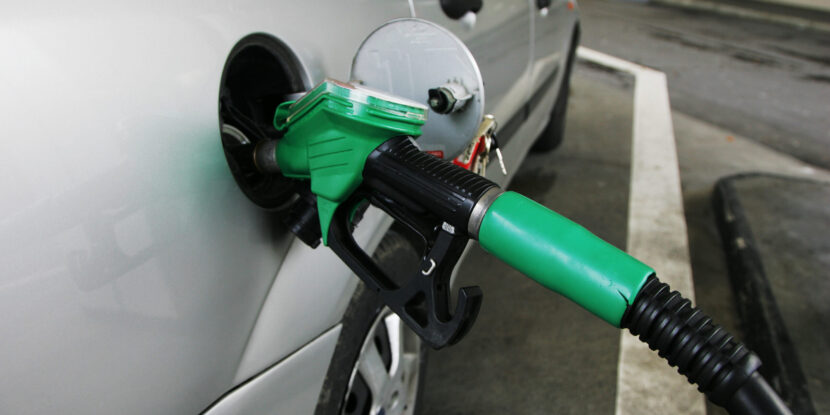
Consumer confidence in the U.S. has hit a seven-month low, driven by high gas prices and ongoing economic uncertainty linked to inflation and geopolitical tensions.
| PULSE POINTS |
❓ WHAT HAPPENED: Americans’ confidence in the economy declined again in August as high gasoline prices, inflation, and concerns over the conflict in Iran weighed on consumers. The Conference Board said Tuesday that its consumer confidence index fell to 89.4 from 90.2 in July, marking its lowest level in seven months. Survey responses collected between August 3 and August 16 showed increased concerns about prices, gasoline, food, trade, jobs, and geopolitical tensions 📺 DETAIL: Inflation remains a major frustration, with the personal consumption expenditures price index rising 3.7 percent in June from a year earlier, compared with 2.5 percent when President Donald J. Trump took office in January 2025. Views of the current labor market improved slightly, with 27 percent of respondents saying jobs were plentiful, up from 24.4 percent in July. However, expectations for the labor market weakened, with only 14.6 percent expecting more jobs to become available over the next six months. 🎯 IMPACT: The decline in consumer confidence highlights growing concerns about inflation, gasoline prices, and a possibly weakening labor market, which could put additional pressure on the Trump administration to refocus on the economy. With the midterm elections approaching, continued frustration over household costs and employment could become a significant political liability for Republicans. 📺 FLASHBACK: Consumer confidence readings were consistently above 100 in late 2024 and early 2025, before inflationary pressures and geopolitical tensions began to take their toll. Gas prices and inflation have become key issues since the Iran war started earlier this year, resulting in the Strait of Hormuz, which carries much of the world’s energy supplies, being choked off by Iranian forces. |
Join Pulse+ to comment below, and receive exclusive e-mail analyses.