




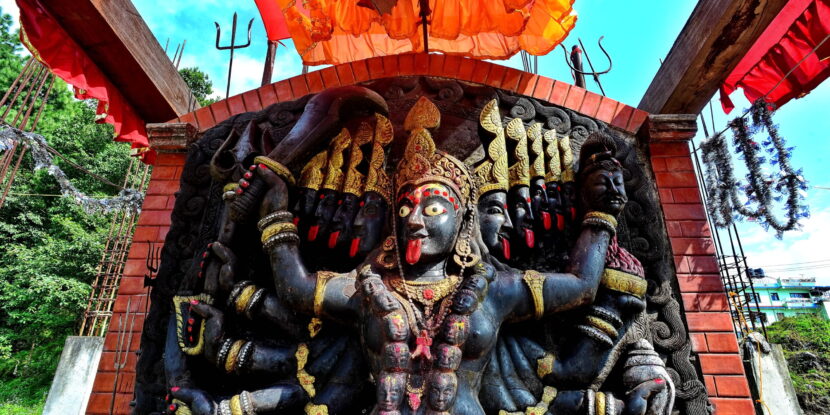
❓WHAT HAPPENED: A report by the United Christian Forum indicates a significant rise in anti-Christian violence in India, with a 500 percent increase over the last decade.
👤WHO WAS INVOLVED: The United Christian Forum nonprofit, the Christian minority in India, and India’s ruling Bharatiya Janata Party (BJP).
📍WHEN & WHERE: Anti-Christian attacks are ongoing, primarily in five Indian states, including Uttar Pradesh and Chhattisgarh.
🎯IMPACT: The rise in violence has led to protests and increased scrutiny of India’s human rights record, affecting its international image.
A recent report issued by the United Christian Forum notes a concerning rise in anti-Christian violence in India, with a 500 percent increase in incidents over the last decade. In 2025 alone, there have been 549 recorded attacks, yet only 39 resulted in police investigations, indicating a 93 percent impunity rate.
Since 2014, under Bharatiya Janata Party (BJP) rule, the growth of Hindutva ideology—effectively Hindu nationalism—has led to a political climate where violence against Christians is often overlooked. The BJP’s governance has seen the enactment of anti-conversion laws in several states, which critics argue are used to harass religious minorities.
The report notes that 77 percent of these attacks are concentrated in five states, including Uttar Pradesh and Chhattisgarh, affecting communities largely composed of Dalits—historically considered “untouchables” at the bottom of India’s caste system—who have converted to Christianity. These groups face significant persecution, including beatings, church burnings, and social exclusion.
In response to the ongoing violence, a large protest took place in New Delhi on November 29, 2025, organized by Christian groups to demand the protection of their rights and freedoms, supposedly guaranteed by the Indian Constitution. Around 2,000 Christians marched in protest against the increasing violence against their community and highlighted the exclusion of Christian Dalits from social programs.
India is currently seeking to be added as a permanent seat on the United Nations (UN) Security Council.
Join Pulse+ to comment below, and receive exclusive e-mail analyses.









.jpg)


